Building your own home is a big dream. But today, construction costs are rising fast. Cement, steel, bricks, labor everything is expensive. At the same time, we also need to think about the environment.
So what is the solution?
Sustainable building materials for low-cost homes.
These materials are:
Budget-friendly
Environment-friendly
Strong and durable
Easily available in India
In this blog, we will explain everything so you can understand and make better decisions for your dream home.
What Are Sustainable Building Materials?
Sustainable building materials are materials that:
Do not harm the environment
Use less energy to produce
Last long
Reduce waste
Help save money in the long run
In simple words, they are smart materials that save both money and nature.
1. Fly Ash Bricks

Instead of throwing this waste, it is reused to make bricks. This makes them eco-friendly.
Why They Are Good for Low-Cost Homes:
Cheaper than red bricks
Strong and durable
Smooth finish (less plaster needed)
Good thermal insulation
Less water absorption
Cost Benefit:
You can save 10–20% on masonry work compared to traditional clay bricks.
2. AAC Blocks (Autoclaved Aerated Concrete Blocks)

AAC blocks are lightweight blocks made from cement, lime, fly ash, and aluminum powder.
They have small air bubbles inside, which makes them lighter and better insulated.
Benefits:
Very lightweight (reduces foundation cost)
Faster construction
Good sound insulation
Saves steel and cement
Reduces structural load
Cost Advantage:
Because they are light, your foundation and columns need less steel. That reduces total construction cost.
3. Bamboo
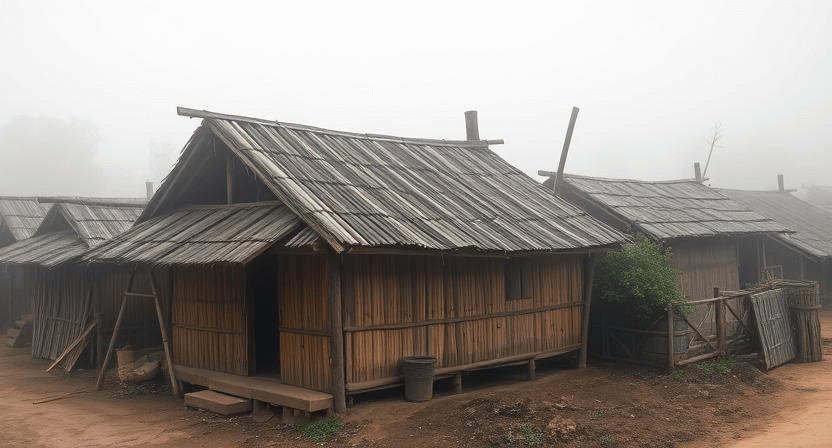
Bamboo is one of the fastest-growing plants in the world. It is strong and flexible.
Many modern low-cost homes use bamboo for:
Roofing
Structural support
Interior design
Fencing
Why Bamboo Is Sustainable:
Grows very fast
Absorbs carbon dioxide
Renewable resource
Low processing cost
It is especially useful in rural and semi-urban areas.
4. Recycled Steel

Steel can be recycled again and again without losing strength.
Using recycled steel:
Reduces environmental damage
Saves energy
Is often cheaper than new steel
Steel structures also allow faster construction and reduce long-term maintenance costs.
5. Stabilized Mud Blocks (Compressed Earth Blocks)
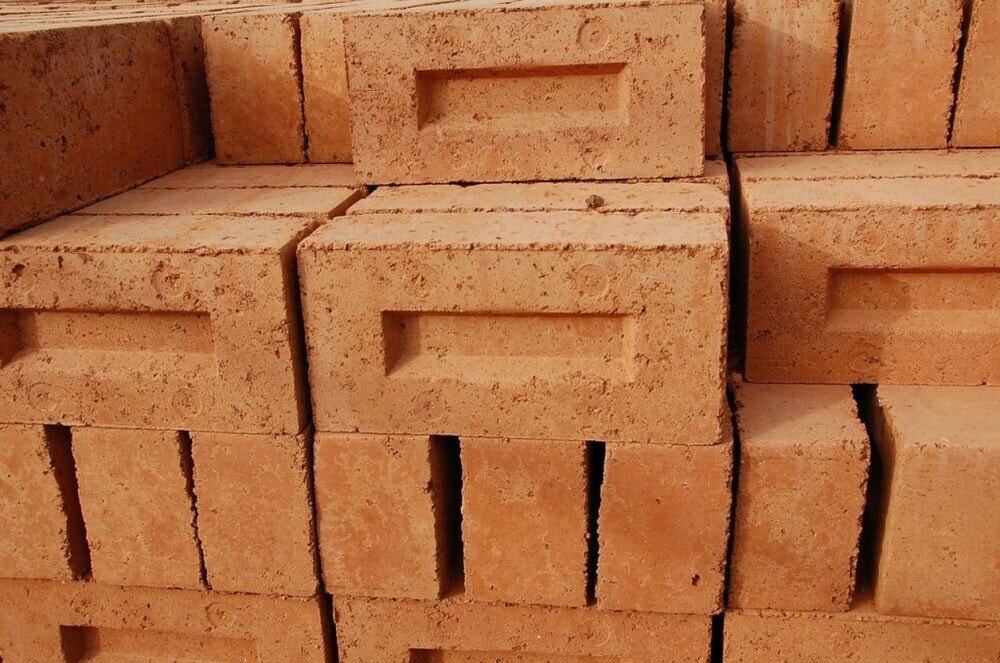
Mud blocks are made using local soil mixed with a small amount of cement or lime.
They are:
Very affordable
Natural and eco-friendly
Good for thermal comfort
Homes made with mud blocks stay cooler in summer and warmer in winter. This reduces electricity bills.
6. Recycled Wood

Instead of cutting new trees, old wood from demolished buildings can be reused.
You can use recycled wood for:
Doors
Windows
Furniture
Flooring
It gives a natural look and reduces cost.
7. Precast Concrete Panels

Precast panels are made in factories and then assembled at the site.
Benefits:
Faster construction
Less labor cost
Better quality control
Less material waste
They are very helpful when you want to build quickly within budget.
Why Sustainable Materials Are Perfect for Low-Cost Homes
Here’s why more people are choosing sustainable materials:
1. Lower Construction Cost
Many eco-materials are locally available and reduce transportation cost.
2. Lower Electricity Bills
Materials like AAC blocks and mud blocks improve insulation.
3. Less Maintenance
Stronger materials mean fewer repairs.
4. Environment Friendly
You reduce pollution and save natural resources.
5. Government Support
Some states in India support green construction practices.
Smart Tips to Build a Low-Cost Sustainable Home
If you are planning to build a budget home, follow these tips:
Use simple house designs
Avoid complex elevations
Choose local materials
Plan proper ventilation
Use natural light
Optimize room sizes
Avoid wastage of materials
A good architect can help you save lakhs of rupees just by proper planning.
Is Sustainable Construction Really Cheaper?
Yes if planned properly.
Sometimes eco-friendly materials may look slightly costly at first. But they:
Reduce electricity bills
Reduce repair costs
Last longer
Increase property value
So in the long term, they save money.
Conclusion
Building a low-cost home does not mean compromising on quality.
With the right sustainable building materials:
You can reduce construction cost
You can protect the environment
You can build a strong and comfortable home
The key is proper planning and smart material selection.
Build Your Sustainable Dream Home with SmartScale House Design
Planning to build a low-cost sustainable home?
At SmartScale House Design, we help you:
Design budget-friendly house plans
Optimize material usage
Reduce unnecessary construction costs
Create energy-efficient home designs
Provide detailed working drawings
Whether you want a small budget home or a modern eco-friendly house, our expert team can guide you step by step.
Contact SmartScale House Design today and start building your sustainable dream home the smart way.