luxury villa 3d elevation design​

Vastu-Compliant House Plans for Indian Homes (A Room-by-Room Guide)

When Indians build or buy a home, one question almost always comes up: “Is it Vastu-compliant?”


For centuries, Vastu Shastra has guided how Indian homes are planned, built, and lived in. From the direction your front door faces to where you place your kitchen stove, Vastu covers it all.


And even today, in the age of modern architecture and smart homes, millions of Indian families still follow Vastu principles. Why? Because a well-planned Vastu home brings positivity, health, and prosperity into everyday life.


Whether you are building your first home or renovating an old one, this guide will walk you through everything you need to know:

  • Room-wise Vastu rules explained simply
  • Direction-based house planning
  • Practical layout ideas for 1 BHK, 2 BHK, and small plots

Let’s start from the very beginning.

Vastu Shastra is an ancient Indian science of architecture and space planning. The word “Vastu” means dwelling, and “Shastra” means science or knowledge. Together, it means the science of creating the right living space.

Vastu is based on five natural elements, also called the Pancha Bhuta:

  1. Earth (Prithvi) – Stability and strength
  2. Water (Jal) – Flow and emotions
  3. Fire (Agni) – Energy and transformation
  4. Air (Vayu) – Movement and freshness
  5. Space (Akasha) – Openness and clarity

Vastu teaches us how to balance these five elements within a home so that energy flows smoothly. When the energy flow is right, the people living in the house feel healthier, calmer, and more prosperous.

In simple words, Vastu is about building a home that works with nature, not against it.

Basic Vastu Principles for House Planning

Before you look at individual rooms, it helps to understand some foundational Vastu rules for the overall house plan.

1. Prefer North or East-Facing Plots North and east directions receive the most sunlight and positive energy. A plot facing these directions is considered highly auspicious in Vastu.

2. Entrance Placement Matters The main entrance is the mouth of your home. It should ideally face north, east, or northeast to allow positive energy to enter freely.

3. Keep Open Space in the Right Areas Vastu recommends keeping more open space in the north and east sides of the plot. This allows sunlight and fresh air to enter the home easily.

4. Heavy Areas in the South and West Heavy structures like store rooms, staircases, and walls should be placed in the south or southwest zones. Light and open areas work better in the north and east.

5. Square or Rectangular Plots are Best Irregular shaped plots can create unbalanced energy. Square and rectangular plots are ideal because they allow for symmetrical and balanced house planning.

Ideal House Directions as per Vastu

🧭 North Facing House

A north-facing house is considered very lucky in Vastu. The north direction is ruled by Kuber, the god of wealth. Houses facing north tend to get good morning sunlight, especially in the eastern rooms.

Layout tips: Place the main entrance slightly to the northeast side. Keep the living room in the north zone. Avoid placing the kitchen or toilet in the north.


🧭 East Facing House

East facing is the most preferred direction in Vastu. The rising sun enters from the east, bringing in natural light, warmth, and positive energy right from the morning.

Layout tips: The main door should open toward the east or northeast. Living areas and pooja rooms do very well in east-facing homes. Bedrooms can be placed in the south or southwest.


🧭 West Facing House

Many people believe west-facing homes are inauspicious. This is a myth. West-facing homes can be perfectly Vastu-compliant with the right planning.

Layout tips: Place the entrance in the northwest section of the west wall. The kitchen can go in the southeast corner. Bedrooms work well in the southwest zone.


🧭 South Facing House

South-facing houses have the most myths around them. But when designed correctly, they can be equally good for living.

Layout tips: The entrance should be placed in the south-southeast area, not in the direct south. Avoid placing the main door in the southwest corner. A heavy compound wall on the south side adds stability.

Room-by-Room Vastu Guidelines

This is the heart of Vastu home planning. Each room has an ideal direction based on its function and the element it is associated with.


🛏️ Bedroom Vastu

The bedroom is where you rest and recover. Vastu places a lot of importance on getting this room right.


Master Bedroom: The southwest corner of the house is ideal for the master bedroom. This direction provides stability and grounding energy, which is good for the head of the family.


Modern Master Bedroom Interior Design


Children’s or Guest Bedroom: The northwest or west direction works well for children’s rooms or guest rooms.


Playful and Cozy Wall Design for a Kids Bedroom


Avoid: Never place any bedroom in the northeast corner. This zone is meant for light and spiritual activities, not heavy rest areas.

Sleeping Direction: Sleep with your head pointing south or east. Avoid sleeping with your head pointing north, as it can disturb sleep quality.


🍳 Kitchen Vastu

The kitchen represents the fire element in a home. It should be placed where fire energy is naturally strong.
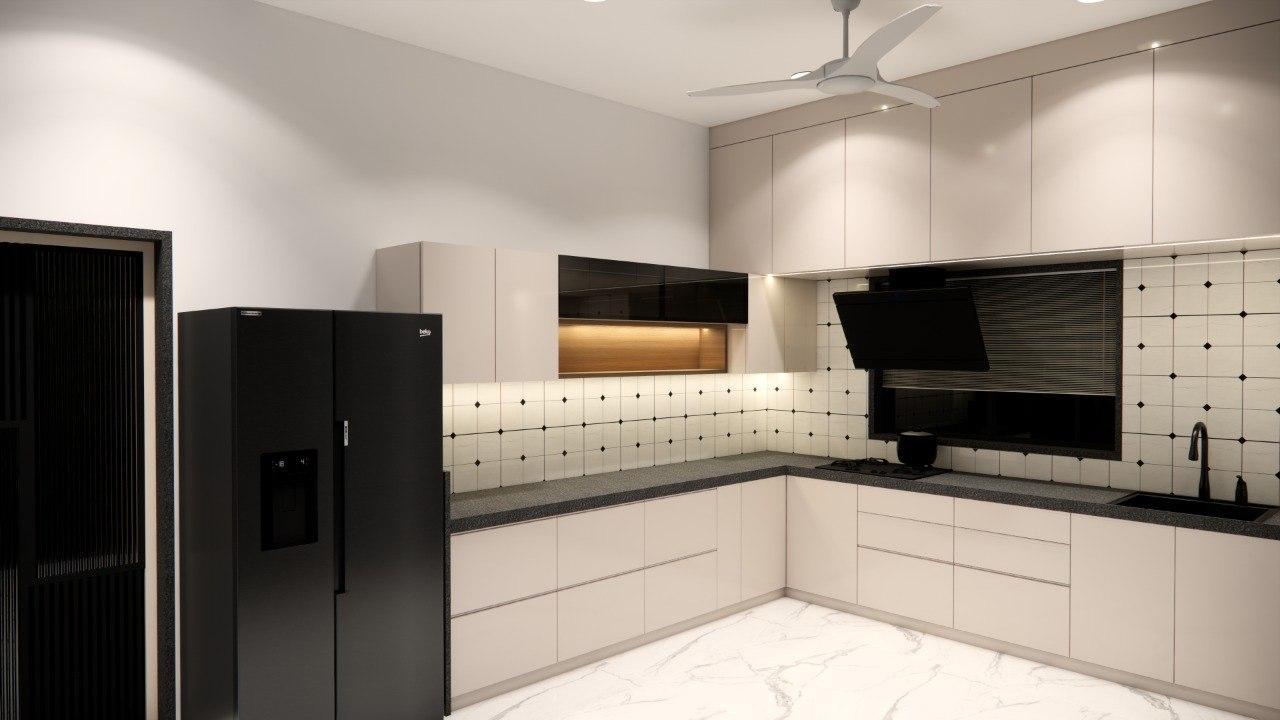
 

Elegant Contemporary Modern kitchen tile design


Best Direction: Southeast corner of the house. This direction is ruled by Agni (fire), making it the most suitable zone for cooking.

Alternative: If southeast is not possible due to the plot layout, the northwest direction is the next best option.

Stove Placement: The cooking stove should be placed in the southeast part of the kitchen. The person cooking should face east while cooking.

Sink and Water: The sink or water source should be placed in the northeast of the kitchen. Keep fire and water sources separated from each other to avoid clashing energies.


🛋️ Living Room Vastu

The living room is where the family gathers and guests are welcomed. It should feel open, bright, and welcoming.
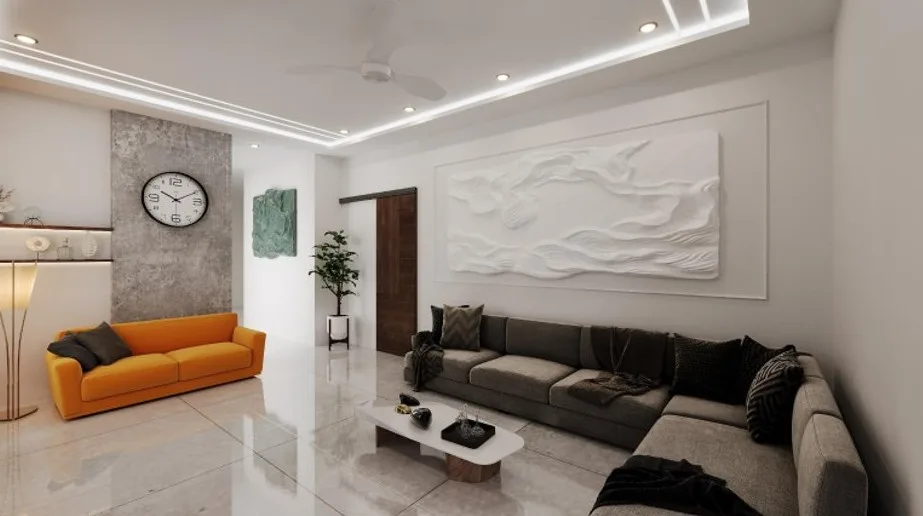
 

living room tv unit interior design L shaped


Best Direction: North or east direction. These zones receive the most natural light and are associated with activity and positivity.

Furniture Placement: Place heavy furniture like sofas and shelves in the south or west side of the living room. Keep the center of the room open and clutter-free. The TV can be placed on the southeast wall.


🚪 Main Entrance Vastu

The main entrance is one of the most important elements in Vastu. It is the point through which energy, people, and opportunities enter your home.
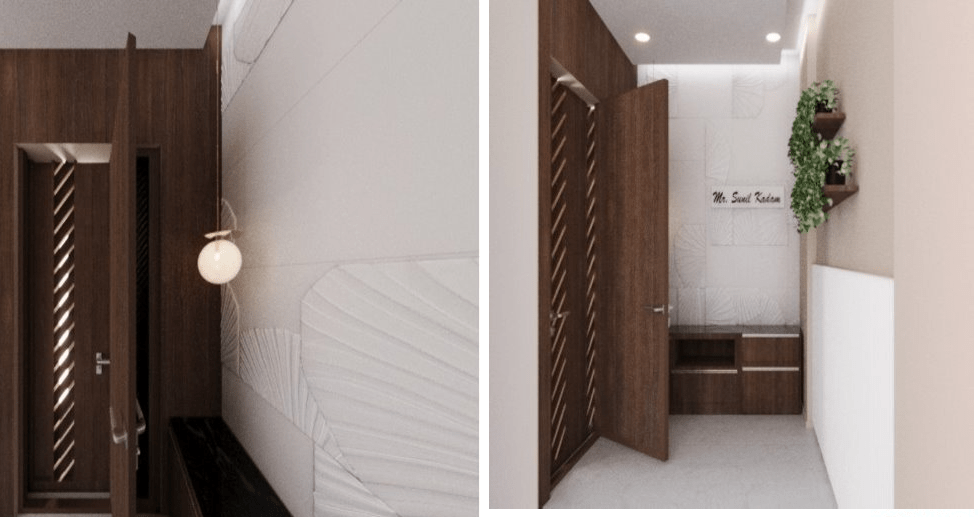
 

entrance lobby design


Best Directions: North, east, and northeast are the top choices for the main entrance. These directions attract positive energy and prosperity.

Avoid: Never place the main entrance in the southwest direction. This is considered the most unfavorable direction for an entrance.

Practical Tips:

  • Keep the entrance well-lit and clean at all times
  • Avoid placing shoes, brooms, or dustbins right at the entrance
  • A small nameplate and some plants near the door add positive energy
  • The door should open inward and clockwise

🚿 Bathroom and Toilet Vastu

Bathrooms deal with water and waste, so their placement needs careful thought.
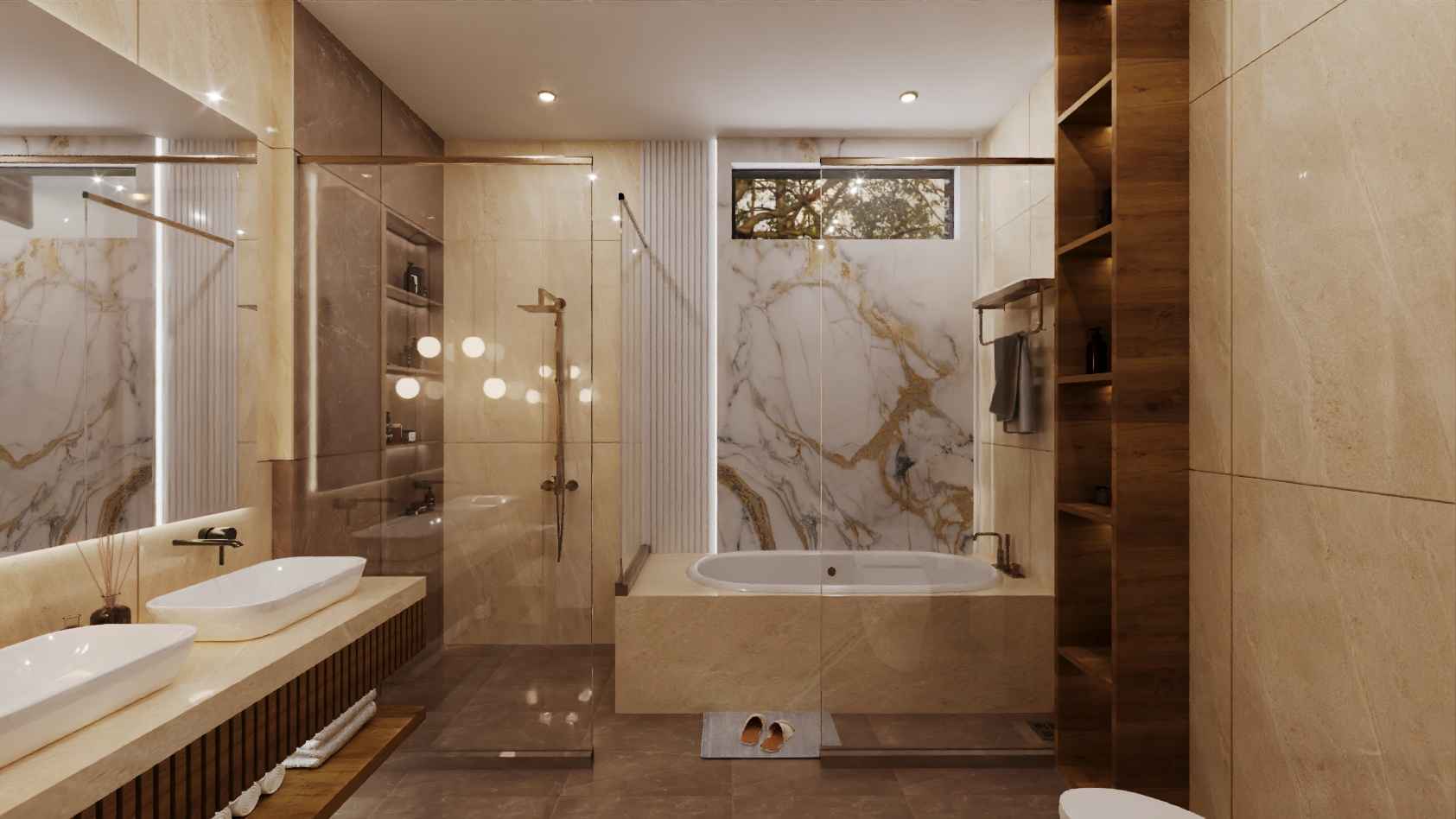
 

Small normal Indian bathroom design Ultra-Compact Design with Wet and Dry Zones


Best Direction: Northwest or west zone of the house. These directions help waste energy move out of the home efficiently.

Avoid: The northeast corner is the worst place for a bathroom or toilet. Northeast is a sacred zone meant for light, prayer, and fresh energy. Placing a toilet here can bring health and financial problems according to Vastu.

Additional Tips:

  • Always keep the toilet lid closed
  • Ensure good ventilation in bathrooms
  • Avoid placing mirrors directly facing the toilet

🪜 Staircase Vastu

Staircases carry movement energy. Placing them correctly ensures that energy in the home flows upward positively.

Best Direction: South or southwest direction is ideal for staircases. You can also use the west side.

Avoid: Never build a staircase in the northeast or center of the house. The center of the house is called the Brahmasthan and should always remain open and light.

Direction of Steps: A clockwise staircase (turning from left to right as you go up) is considered auspicious in Vastu.


🚗 Parking Vastu

Parking and garages are often overlooked in Vastu planning, but they matter too.


Modern Villa Design with car parking


Best Direction: Northwest or north side of the plot is ideal for parking. This placement keeps the pathway of movement and growth open.

Avoid: Do not build a garage or parking area that blocks the main entrance. Never park vehicles in the northeast or southeast zone directly.

Vastu-Compliant 1 BHK House Plan Ideas

A 1 BHK home needs to be compact yet energy-balanced. Here is how to plan it well.

Ideal Layout:

  • Main entrance facing north or east
  • Living room in the north or northeast corner
  • Kitchen in the southeast
  • Bedroom in the southwest
  • Bathroom in the northwest or west

For Small Families: A 1 BHK Vastu plan works best when the layout is simple and clutter-free. Avoid adding too many walls or partitions. Open layouts allow energy to flow freely throughout the small space.

Vastu-Compliant 2 BHK House Plans

A 2 BHK gives more flexibility in applying Vastu principles properly.
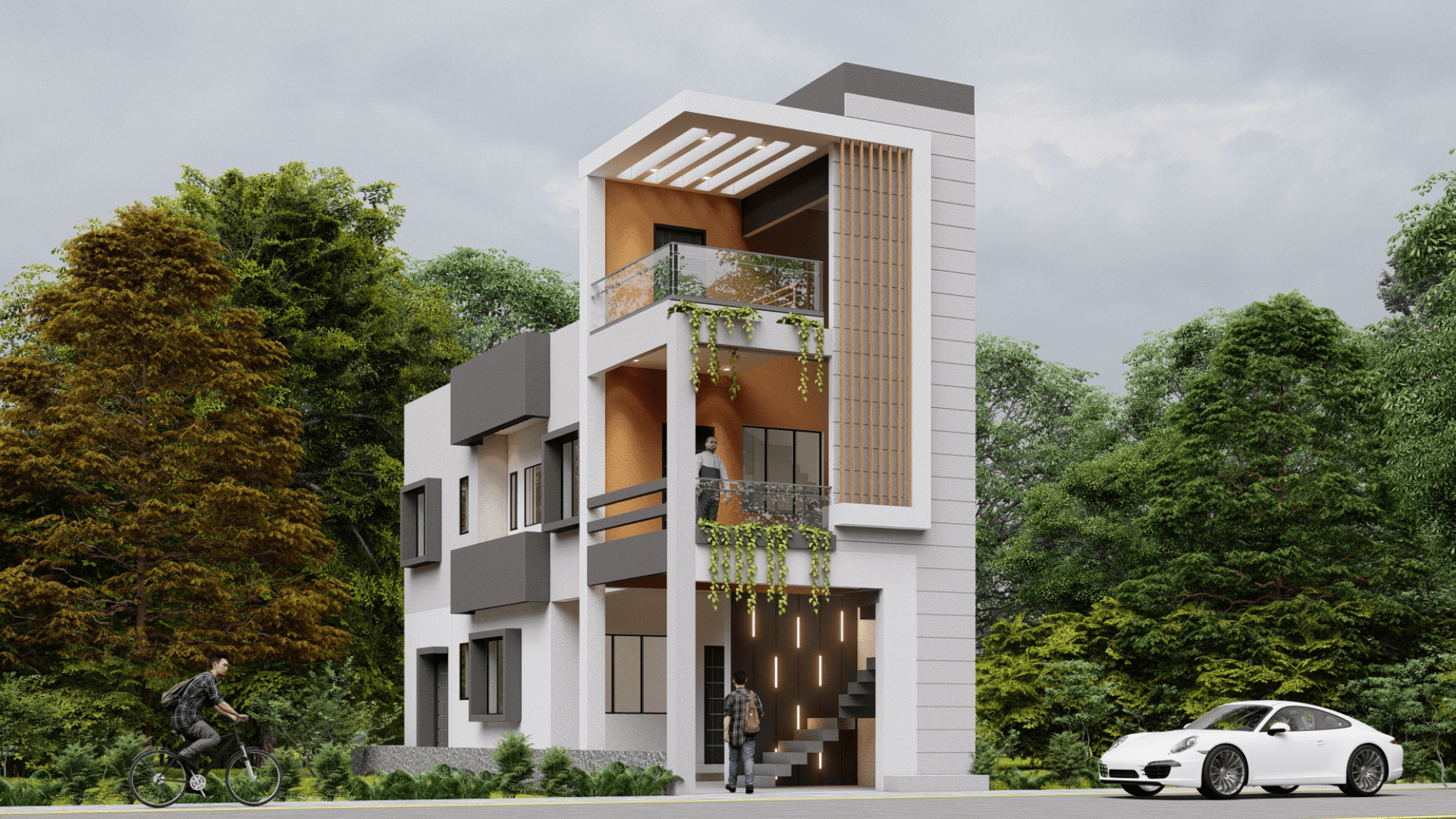
 

16X50-Elevation-Smartscale-House-Design-1600 sq ft-Builtup-Area 16 by 50 house plan


Balanced Layout:

  • Main entrance: North, east, or northeast
  • Living room: North or east
  • Master bedroom: Southwest
  • Second bedroom: Northwest or west
  • Kitchen: Southeast
  • Bathrooms: Northwest or west

Space Optimization Tips:

  • Use the southwest for storage as well, since it handles heavy energy well
  • Keep the northeast corner of each room as open and light as possible
  • Place your pooja room in the northeast corner of the house

Vastu House Plans for Small Plots (20x40, 30x50)

Urban homes in India are often built on small plots. The good news is that Vastu can absolutely be followed even in limited space.


How to Follow Vastu in Limited Space:

On a 20×40 plot, the key is to be smart about zoning. Keep the south and west sides for bedrooms and kitchen. Reserve the north and east for living areas and entrance. Even a small open area or courtyard in the northeast can create significant positive energy flow.
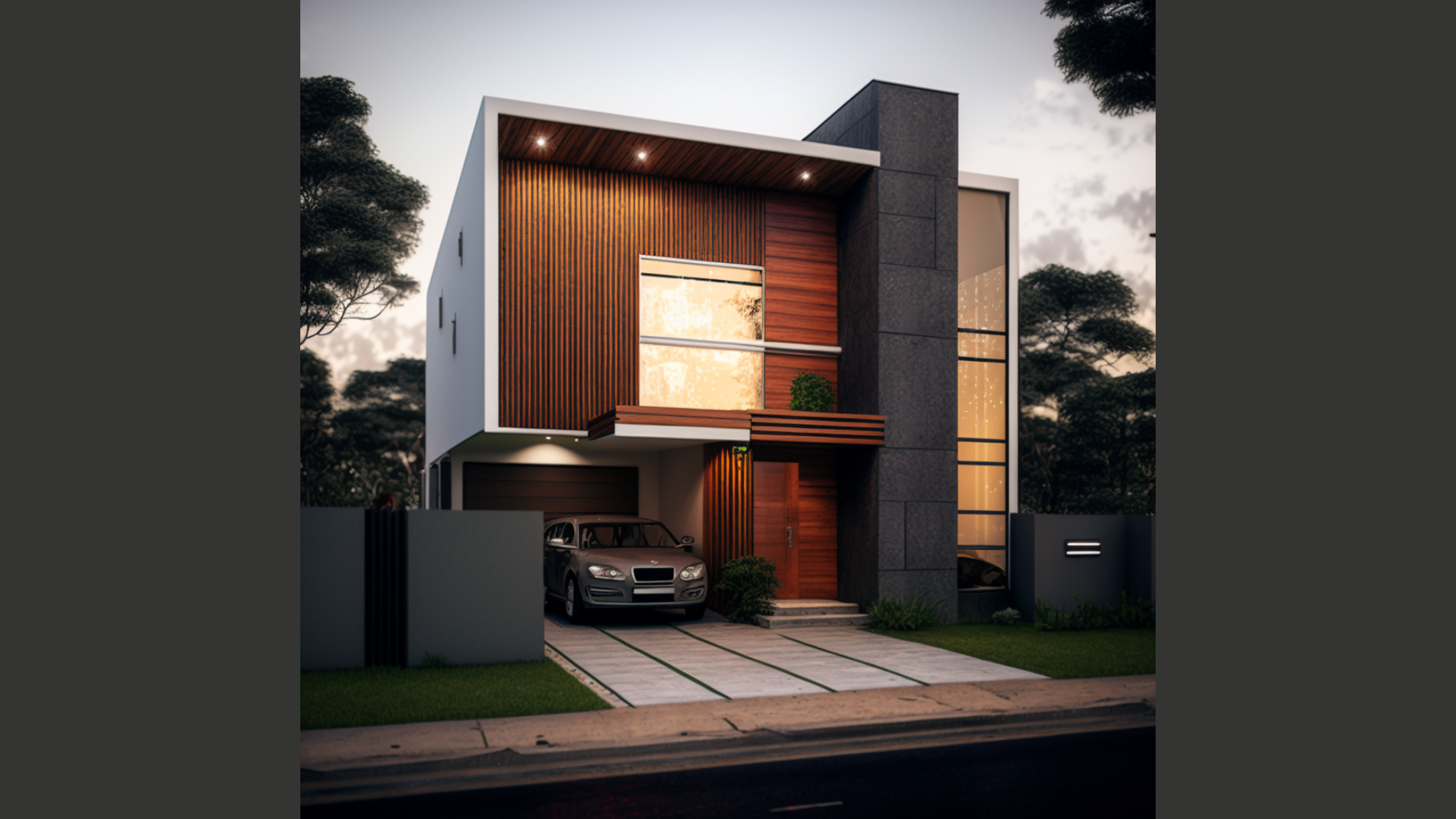
 

20x40 house plan 3d elevation wooden west facing 800 square feet house design


On a 30×50 plot, you have slightly more room to work with. You can plan a proper 2 BHK with a dedicated pooja corner, a Vastu-compliant kitchen in the southeast, and parking in the north.
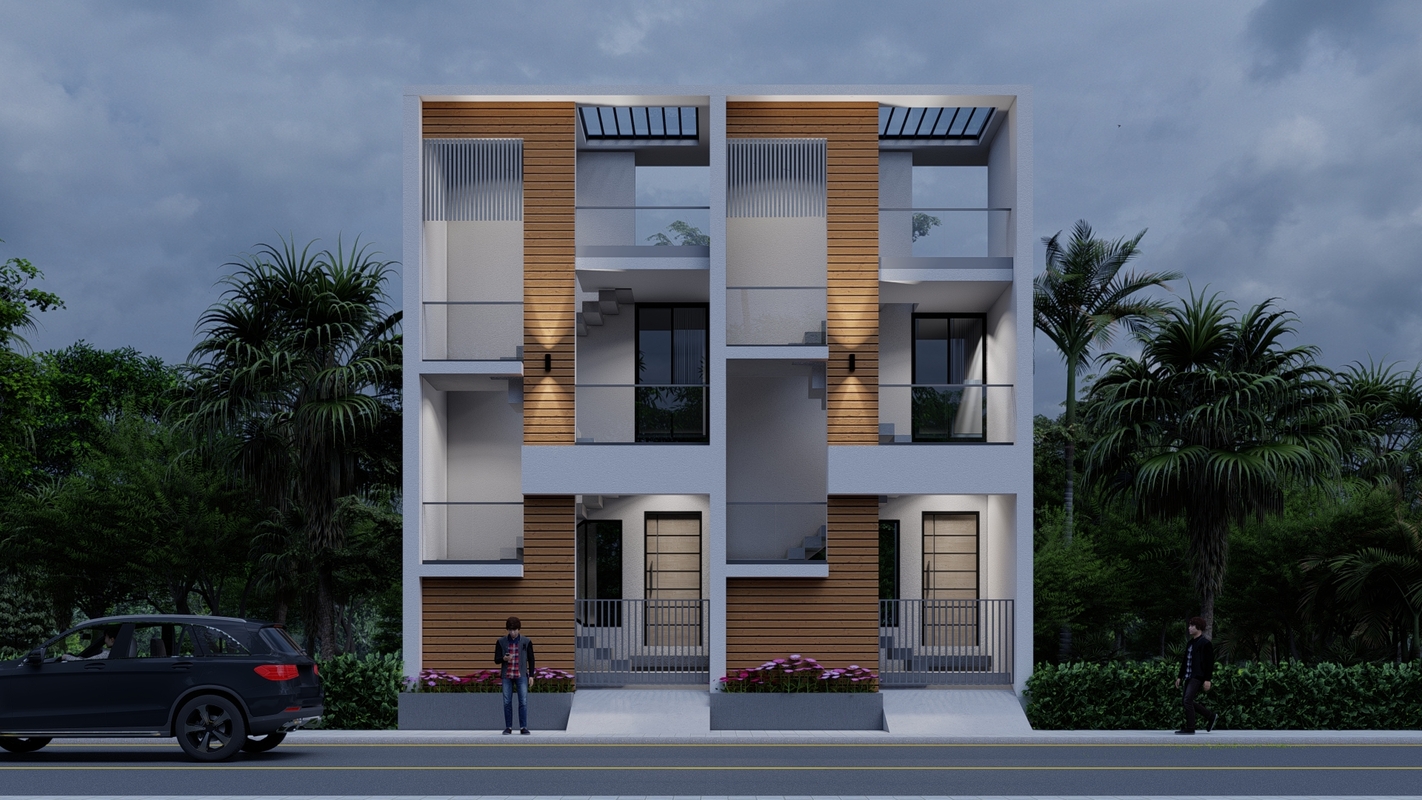
 

30x50-house-elevation-smartscale-desing


Adjustments for Urban Homes:

  • If the full plot direction is not ideal, adjust room positions within the house
  • Use light colors on north and east walls to enhance brightness
  • Ventilation and natural light are key: keep windows open toward north and east
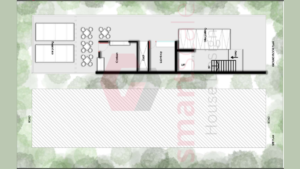
Common Vastu Mistakes to Avoid

Even well-meaning homeowners make these mistakes. Knowing them early saves a lot of trouble later.

1. Wrong Entrance Direction Placing the main door in the south or southwest is one of the most common and problematic Vastu errors.

2. Kitchen in the Northeast The northeast is a water and spiritual zone. Placing a fire-based kitchen here creates elemental conflict and is best avoided.

3. Toilet in the Center of the House The center (Brahmasthan) should always be open or lightly used. A toilet here is considered very inauspicious.

4. Ignoring Natural Light and Ventilation Vastu is deeply connected to sunlight and fresh air. Homes that block natural light by building too close to boundaries on the north and east side lose the core benefit of Vastu planning.

5. Overcrowded Layout Packing too many rooms into a plot without leaving breathing space disrupts energy flow. Always leave some open area, especially in the north or east.

Modern Architecture vs Vastu: Finding the Balance

A common concern among modern homeowners is: can we follow Vastu without making the house look old-fashioned?

The answer is yes, absolutely.

Vastu is about placement and direction, not about style. You can have a sleek, minimalist, glass-and-concrete modern home that is fully Vastu-compliant. The principles do not dictate how your home looks. They only guide where things are placed.

Smart adjustments like placing large windows on the east and north walls, keeping the center of the home open with a double-height ceiling, or positioning the master bedroom in the southwest can all be done without affecting the modern aesthetic.

Working with a professional house designer who understands both modern architecture and Vastu is the best way to get this balance right.

Benefits of Vastu-Compliant Homes

Why do so many people continue to invest in Vastu planning? Here are the real, practical benefits:

Better Natural Light and Airflow Vastu-compliant homes are naturally positioned to receive more sunlight from the east and north, making them brighter and better ventilated.

Mental Peace and Well-Being When a home is well-planned, with no clutter, good light, and logical room placement, the people living in it naturally feel more at ease.

Improved Functionality Vastu room placement often overlaps with good architectural logic. For example, a southeast kitchen makes cooking more comfortable because morning sunlight enters and the area stays ventilated.

Higher Property Value In the Indian real estate market, Vastu-compliant homes tend to attract more buyers and often command a better price.

Why You Need a Professional House Designer

Vastu planning sounds straightforward, but applying it to an actual plot with specific dimensions, orientation, and family needs is a detailed job.

A professional house designer helps you:

  • Create accurate Vastu-friendly floor plans customized to your plot
  • Utilize every square foot efficiently without wasting space
  • Avoid costly construction mistakes that are hard to fix later
  • Balance Vastu principles with modern design and your personal preferences
  • Visualize your home with 3D elevations before construction begins

Trying to plan your home without professional guidance often leads to compromises that affect the home for decades.

Plan Your Vastu Home with SmartScale House Design

Planning a Vastu-compliant home? Don’t rely on guesswork.

At SmartScale House Design, we specialize in creating homes that are both Vastu-friendly and beautifully designed for modern Indian families.

We offer:

  • Vastu-friendly custom house plans
  • Layouts designed for any plot size, big or small
  • Modern 3D elevation designs that bring your vision to life

👉 Get your perfect Vastu house plan designed today.

FAQs

What is the best direction for a house as per Vastu?

North and east-facing houses are considered most auspicious in Vastu Shastra. They receive more sunlight and positive energy throughout the day.

Can a small house follow Vastu principles?

Yes, even small homes on compact plots can follow Vastu with smart planning. The key is to get the entrance direction, kitchen, and bedroom placement right within the available space.

Is Vastu necessary for house construction?

Vastu is not legally mandatory, but many Indian families follow it for peace of mind, positive energy, and long-term well-being. It also often aligns with good architectural planning.

Which direction is best for the kitchen as per Vastu?

The southeast direction is ideal for the kitchen because it represents the fire element. If southeast is not available, the northwest is a good alternative.

Can a west-facing house be Vastu compliant?

Yes, a west-facing house can be fully Vastu-compliant. The key is to place the entrance in the right section of the west wall (northwest portion) and plan the rooms correctly inside.

Shopping cart

0
image/svg+xml

No products in the cart.

Continue Shopping

Solverwp- WordPress Theme and Plugin