
In Jan 2026, a young couple in Pune finalized the design of their dream home.
They had a 30×40 plot. Two growing children. Parents who visited often. A hybrid work routine. And one clear thought:
“Let’s build a duplex. It feels modern and future-ready.”
The elevation looked stunning. The zoning felt practical. Upstairs bedrooms meant privacy. Downstairs living meant better hosting.
But halfway through construction, their budget had increased by nearly ₹5 lakhs.
Not because duplex homes are bad.
Not because their contractor was dishonest.
But because they hadn’t fully understood how their decision would impact structure, space usage, and long-term comfort.
If you’re deciding between a duplex and a single floor home in 2026, this is the honest comparison you need not the surface-level one.
Because this decision will shape your daily life for the next 20–30 years.
What a Duplex Home Really Feels Like in 2026
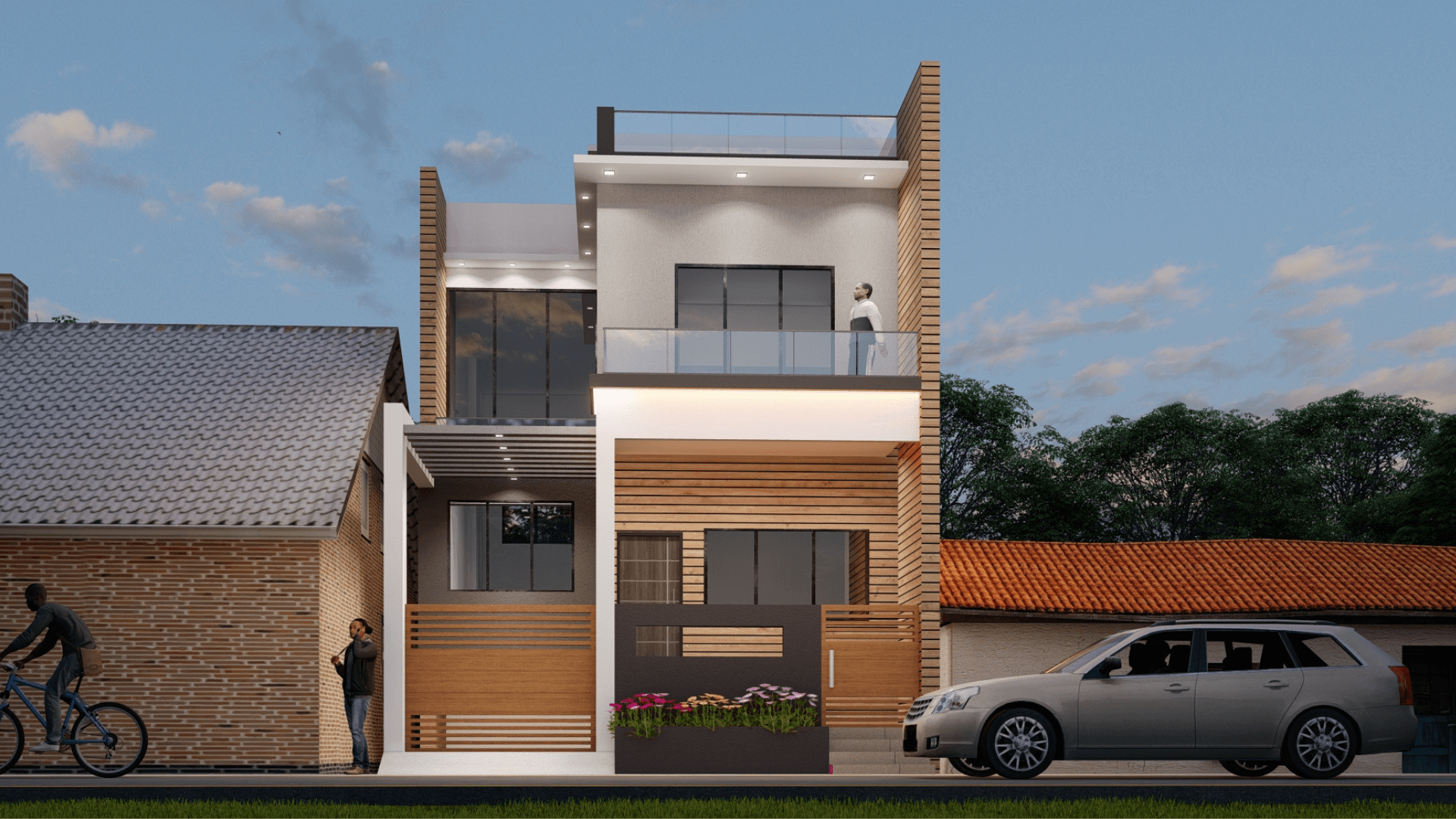
On paper, a duplex makes perfect sense especially in urban India.
With land prices rising and plot sizes shrinking, vertical construction feels like the smart move.
Here’s why most families choose duplex:
Better space utilization on small plots
Clear separation between public and private areas
Scope for future rental income
Modern, premium-looking elevation
Zoning flexibility (office upstairs, living downstairs)
In cities where 20×40 and 30×40 plots are common, duplex homes dominate new construction.
And visually? They look impressive.
But here’s what often gets overlooked.
Hidden Space Loss
The staircase alone can consume 60–100 sq ft. That’s an entire small room.
If not designed carefully, it reduces usable carpet area significantly.
Structural Reinforcement
Two floors mean stronger columns, deeper foundation planning, and additional steel reinforcement. This increases material cost.
Vertical Plumbing & Electrical Planning
Running plumbing lines vertically between floors requires proper alignment. Poor planning can create long-term leakage or maintenance headaches.
A duplex is powerful but only when planned intelligently.
What a Single Floor Home Actually Offers
Now consider a different scenario.
A family in Indore had a 40×60 plot. Initially, they also leaned toward duplex because it “felt modern.”
But when they reviewed layout options, something changed.
They realized:
A wide single-floor layout felt more open
Movement was effortless
Natural light flowed better
Parents could move freely without stairs
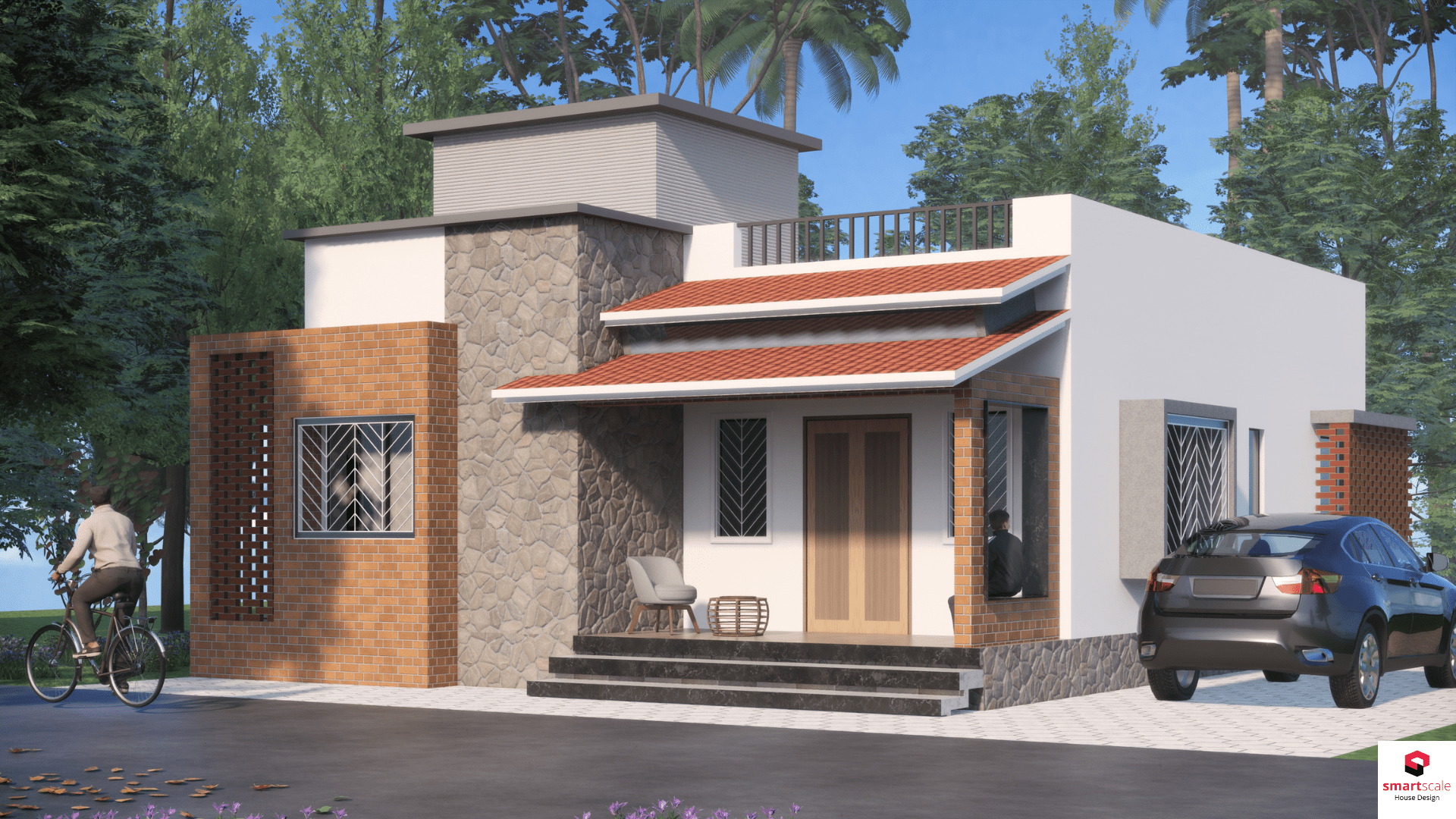
They built a contemporary single-floor bungalow.
Two years later, they describe their biggest advantage as “daily comfort.”
Everything is accessible.
No stair climbing.
No zoning complications.
Just simple, seamless living.
The Emotional Reality Most Homeowners Don’t Think About
At 35, climbing stairs feels normal.
At 50, it becomes routine.
At 60, it may feel exhausting.
Many duplex homeowners say years later:
“We didn’t think long-term.”
But many single-floor homeowners later say:
“We wish we had built an upper floor for rental income.”
Every choice carries trade-offs.
The mistake is choosing based on trend, neighbor influence, or short-term thinking.
Construction Cost in 2026 – The Clear Breakdown
Let’s talk numbers realistically.
Material costs have increased steadily. Labor charges are higher than pre-2023 levels.
Here’s how costs differ:
Duplex Costs Include:
Staircase construction
Extra reinforcement steel
Stronger beam-column framework
Additional shuttering work
Waterproofing attention between floors
Single Floor Costs Include:
Larger roof slab area
Wider foundation spread
Higher land coverage usage
Interestingly, when designed professionally, the cost difference is often marginal sometimes just 5–8%.
But poor planning can push that difference much higher.
Most budget overruns don’t happen because of duplex vs single floor.
They happen because of design mistakes.
Plot Size Decides More Than Preference
Your land is the biggest deciding factor.
Small Urban Plot (20×40 / 30×40)
A duplex almost always makes better sense.
It allows:
3BHK or 4BHK layout
Balcony space
Better zoning
Higher built-up area
Wide Plot (40×60 / 50×80)
Single floor homes feel grand and spacious.
They offer:
Large frontage
Open planning
Garden connectivity
Better natural ventilation
Trying to force a single floor layout on a small plot often leads to cramped rooms.
Trying to force duplex on a wide plot can feel unnecessary.
The plot should guide the structure.
Rental & Future Income Potential
In 2026, many homeowners want flexibility.
A duplex allows:
Renting the upper floor
Converting to Airbnb
Independent floor resale in future
Extended family accommodation
A single-floor home is harder to split.
If passive income is important to you, duplex offers long-term advantages.
Lifestyle Comparison Daily Experience Matters
Think beyond design drawings.
Imagine daily life.
Duplex Daily Life:
Morning stair movement
Kids running upstairs
Clear separation of zones
Private upper-level relaxation
Single Floor Daily Life:
Everything within reach
Easy cleaning
Better elderly accessibility
Simplified plumbing maintenance
Lifestyle comfort is not visible in blueprints.
It is felt daily.
The Moment 3D Visualization Changes the Decision
Many families finalize layouts after seeing 2D plans.
But when they see 3D visualization, their perspective shifts.
Suddenly they notice:
Staircase feels bulky
Bedroom size looks smaller than expected
Balcony placement blocks light
Elevation proportion needs correction
In 2026, visualization is not a luxury it’s essential.
Seeing both duplex and single-floor options in 3D helps eliminate regret.
The Biggest Mistake That Costs Lakhs
Here’s what often happens:
Homeowner copies neighbor’s design
Chooses based on trend
Skips detailed architectural planning
Starts construction without proper working drawings
Result?
Poor ventilation
Structural rework
Budget escalation
Space inefficiency
The number of floors is not the problem.
Lack of professional planning is.
So, Which One Is Better in 2026?
There is no universal winner.
Choose Duplex If:
Your plot is small
You want vertical zoning
Rental potential matters
You prefer modern elevation aesthetics
Choose Single Floor If:
Comfort is top priority
Elderly family members live with you
Plot is wide
You prefer low-maintenance living
The better choice is the one aligned with your lifestyle and future.
The Smart Way to Decide Before Building
Before you finalize:
Study your plot dimensions carefully
Compare built-up area options
Simulate long-term comfort
Understand structural cost impact
Visualize both formats in 3D
At SmartScale House Design, homeowners don’t guess.
They:
Compare duplex vs single floor layouts digitally
Understand cost implications clearly
Align plans with Vastu principles
Optimize every square foot
This prevents regret after construction begins.
Because once you pour concrete, changes become expensive.
If you’re planning to build in 2026, take the smarter first step:
Plan it professionally before you build it.
Explore your options with SmartScale and make a decision you’ll be confident about for the next 25 years.
Wrapping Up
In 2026, building a home is one of the biggest financial decisions you’ll make.
Duplex offers flexibility, growth, and vertical efficiency.
Single floor offers simplicity, accessibility, and comfort.
Neither is universally superior.
But choosing without deep planning can cost you space, money, and convenience for decades.
Before you build:
Visualize your life 20 years ahead.
Understand your land.
Calculate your comfort.
Plan intelligently.
Because the right home isn’t about one extra floor.
It’s about making a decision you won’t regret.