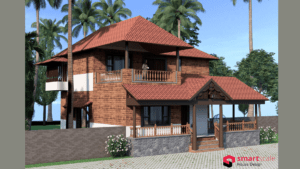
20x60 house plan 1200 sqft house plan

Front Staircase House Designs

When it comes to designing your dream home, the front staircase is more than just a way to get from one floor to another it’s a statement piece that sets the tone for your entire house. A well-designed front staircase can transform an ordinary house into an architectural masterpiece while adding practical value to your home. In this guide, we’ll explore everything you need to know about front staircase house designs, including stunning examples that might inspire your next building project.

Why Front Staircases Matter

The front staircase is often the first architectural element visitors notice about your home. It creates a welcoming entrance, adds visual interest to your facade, and can significantly increase your property’s curb appeal. Beyond aesthetics, a thoughtfully designed front staircase provides practical benefits like better ventilation, protection from flooding, and creates additional usable space underneath.

Whether you’re building a new home or renovating an existing one, understanding front staircase design principles will help you make informed decisions that balance beauty, functionality, and budget.

Key Elements of Great Front Staircase Design

Before diving into specific designs, let’s understand what makes a front staircase work well:

Proportion and Scale: Your staircase should complement your home’s size. A massive staircase on a small house looks overwhelming, while a tiny staircase on a large home appears insignificant.

Safety and Comfort: Steps should have consistent height (risers) and depth (treads). Generally, risers should be 6-8 inches high, and treads should be at least 10-12 inches deep for comfortable walking.

Material Selection: Choose materials that match your home’s style and can withstand weather conditions. Popular options include concrete, stone, tiles, or a combination of materials.

Lighting: Adequate lighting makes staircases safer and more attractive, especially for evening arrivals.

Handrails and Railings: These aren’t just safety features they’re design opportunities that can add elegance to your entrance.

Inspiring Front Staircase House Designs

1. Contemporary Duplex Elevation with Central Staircase
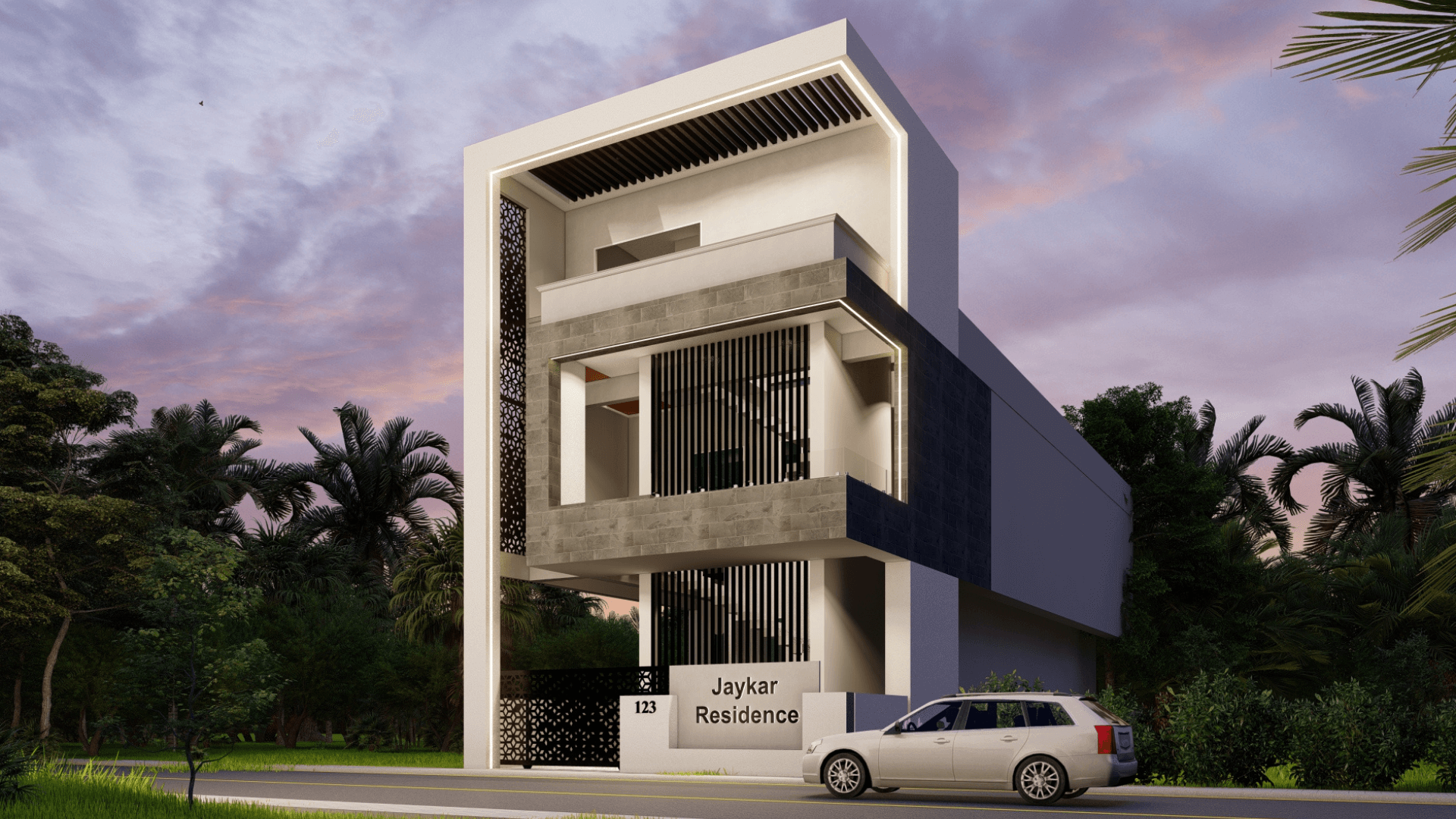
3D elevation of 20X50 West Facing modern house design featuring layered façade, large windows, neutral tones, and 1800 sq. ft. built-up area.


This modern duplex design demonstrates how a front staircase can create a grand entrance while maintaining a compact footprint. The 20×50 layout is perfect for narrow plots commonly found in urban areas.


Key Features:

The central staircase creates symmetry and balance in the facade. This design typically includes a raised ground floor, which serves multiple purposes: it protects the home from street-level moisture, provides elevation for better views, and creates space underneath that can be used for parking or storage.

The contemporary styling features clean lines, large windows, and a mix of textures that give the home a premium look. The staircase itself becomes part of the architectural composition, with its geometric form adding visual interest to the front elevation.


Best For: Urban plots, duplex constructions, families wanting to maximize limited space while maintaining an impressive entrance.


Practical Benefits: The raised platform improves privacy for ground floor rooms, reduces dust and noise from the street, and provides better natural light and ventilation throughout the home.


2. Spacious 20×60 House Elevation with Elegant Entry
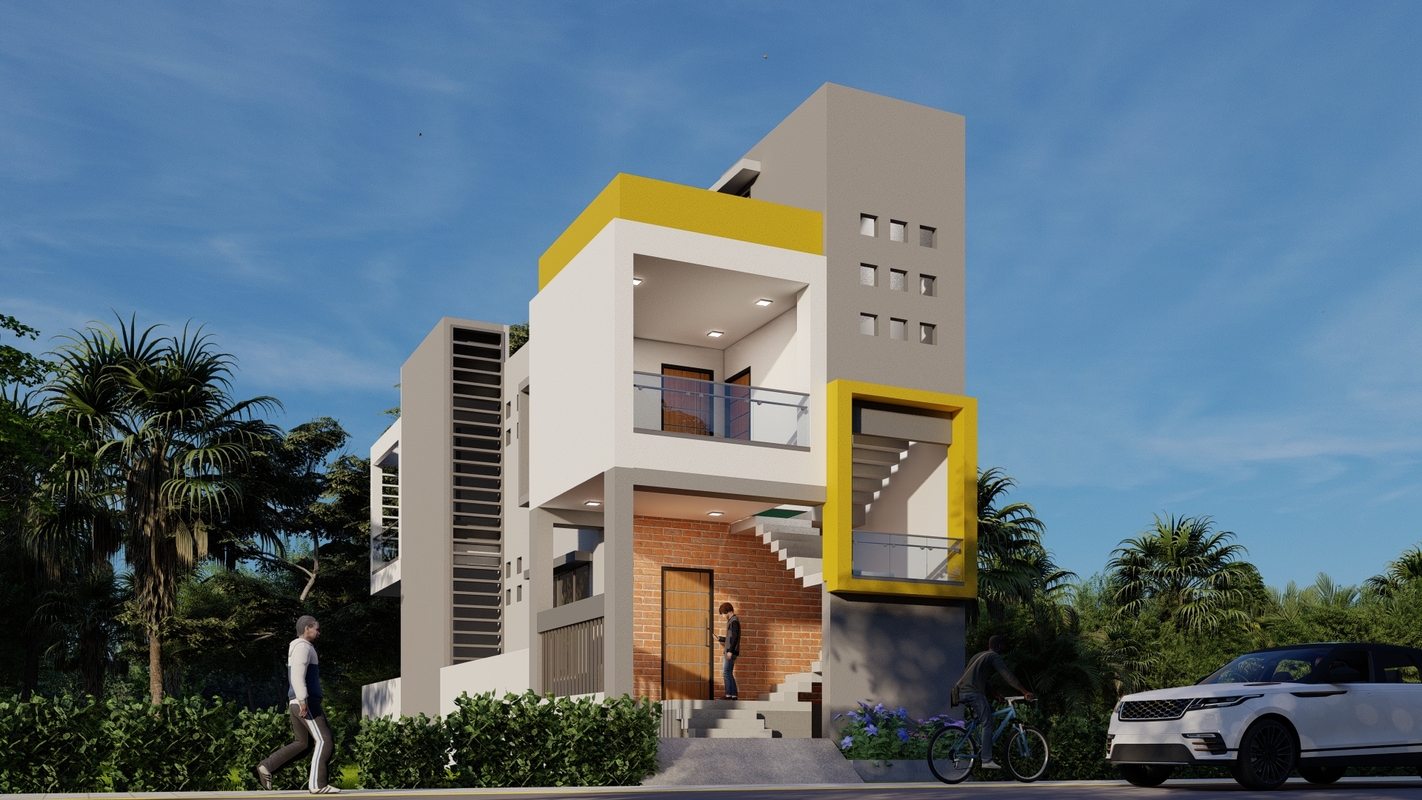
20x60 house plan 1200 sqft house plan


This design showcases how a generous plot size allows for more elaborate front staircase treatments. The 20×60 dimensions provide excellent space for creating a memorable entrance.


Key Features:

The wider frontage allows for a broader staircase design, which can include multiple flights or a more gradual ascent. This design often incorporates landscaping elements alongside the stairs, with planters or green spaces that soften the architectural lines and create a welcoming approach.

The elevation style blends traditional and modern elements, making it versatile enough to fit various neighborhood contexts. The staircase is integrated seamlessly with the overall design, not appearing as an afterthought but as an essential component of the home’s character.


Best For: Families wanting spacious living areas, those who enjoy entertaining guests, homeowners looking for a balance between traditional and contemporary styles.


Design Flexibility: The 20×60 layout allows for creative floor planning, with the front staircase leading to a raised living area that can overlook a front garden or courtyard. This elevation creates distinct zones within your home and adds architectural drama.

3. Specialized Design: Hospital-Inspired Architecture
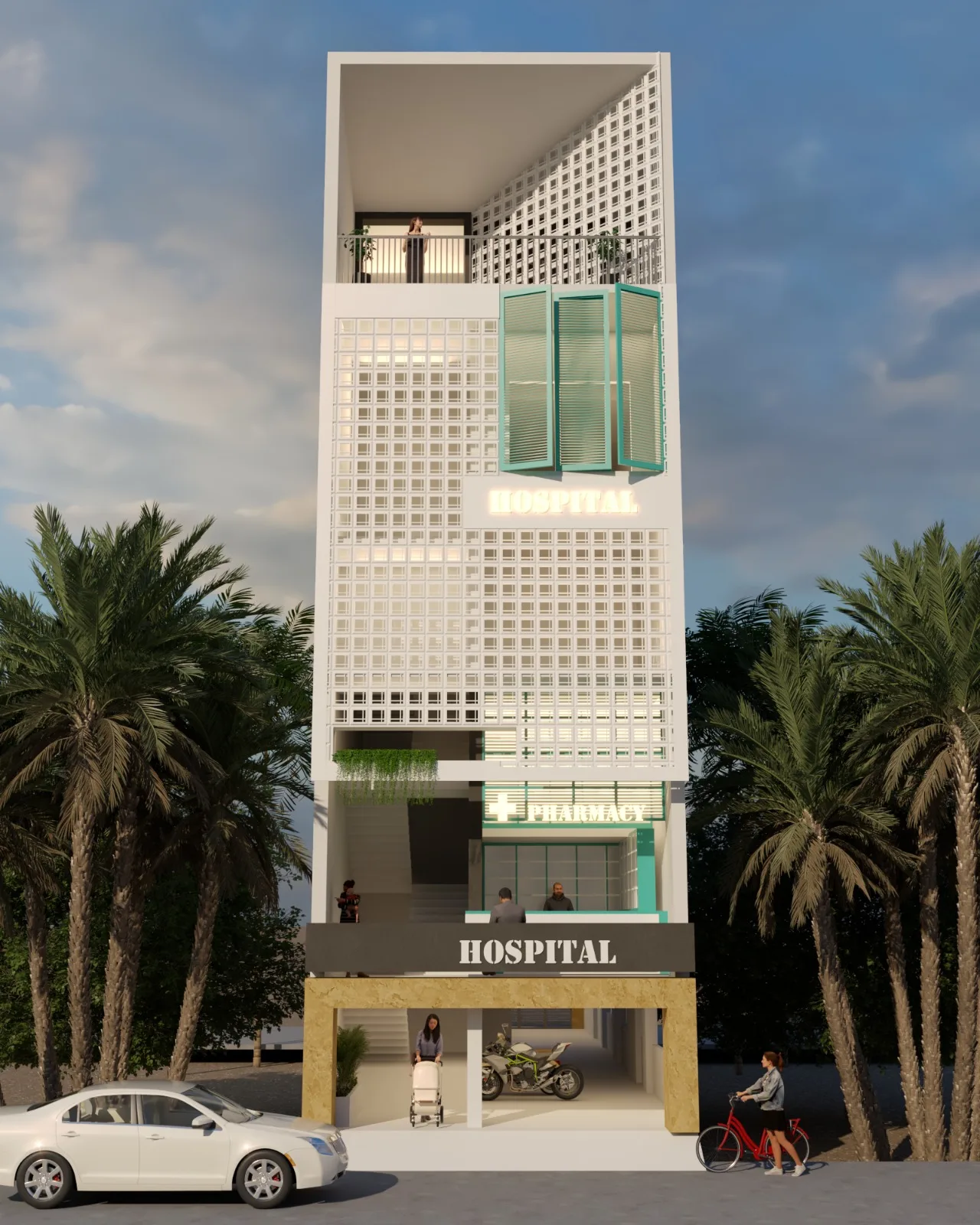
20x60-hospital-smartscale-house-design-1


While this design draws inspiration from institutional architecture, it offers valuable lessons for residential front staircase design, particularly regarding accessibility and functionality.


Key Features:

This design prioritizes accessibility with wide, gentle stairs and ample landing spaces. The approach demonstrates how functional requirements can be met without sacrificing aesthetic appeal.

The clean, organized facade with its systematic window placement and clear circulation paths shows how residential designs can incorporate universal design principles. The front staircase here is designed for easy navigation by people of all ages and abilities.


Best For: Multi-generational homes, families planning for aging in place, homeowners who value accessibility, those who may need wheelchair or walker access in the future.


Practical Considerations: The wider stairs and generous landings make moving furniture easier, provide safer access during rainy conditions, and accommodate multiple people walking together comfortably.

4. Premium 30×50 House Elevation with Grand Entrance
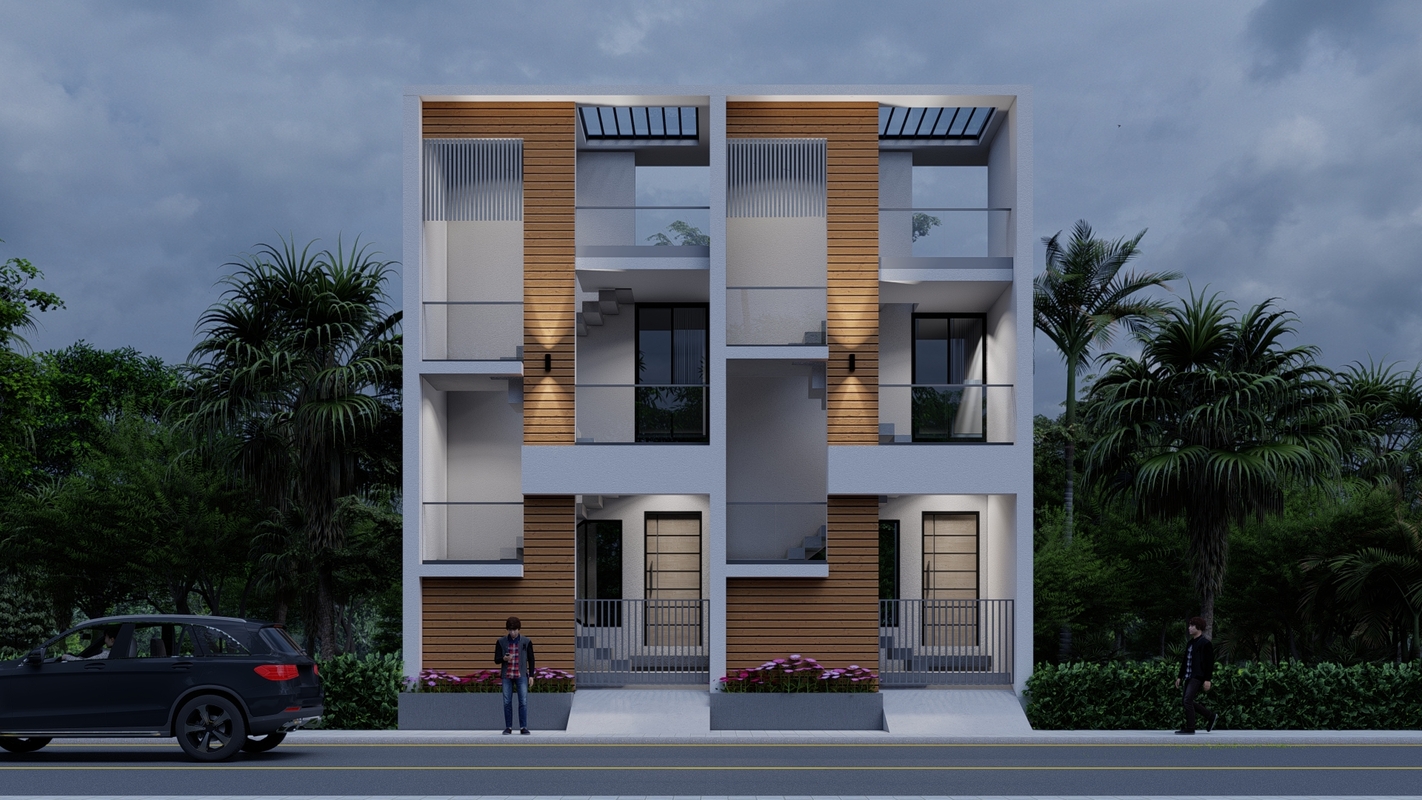
30x50-house-elevation-smartscale-desing


This design represents how a larger plot allows for a truly impressive front staircase that makes a bold architectural statement.


Key Features:

The 30×50 dimensions provide room for a dramatic entrance sequence. The staircase can be designed as a central feature with symmetrical elements on either side, or it might sweep elegantly to one side, creating dynamic visual movement.

This elevation style often incorporates multiple levels and textures, with the staircase serving as a transitional element between the street and the main living areas. The design might include covered entry porticos, decorative railings, and integrated lighting that makes the entrance stunning day and night.


Best For: Luxury homes, properties with significant street frontage, homeowners wanting to make a strong architectural statement, families who value entertaining and impressive entrances.


Architectural Impact: The generous dimensions allow for complex staircase designs that might include curved sections, split-level landings, or integrated water features. The elevation can incorporate columns, arches, or other classical elements that add grandeur to the entrance.


5. Compact 16×50 Elevation with Smart Space Utilization
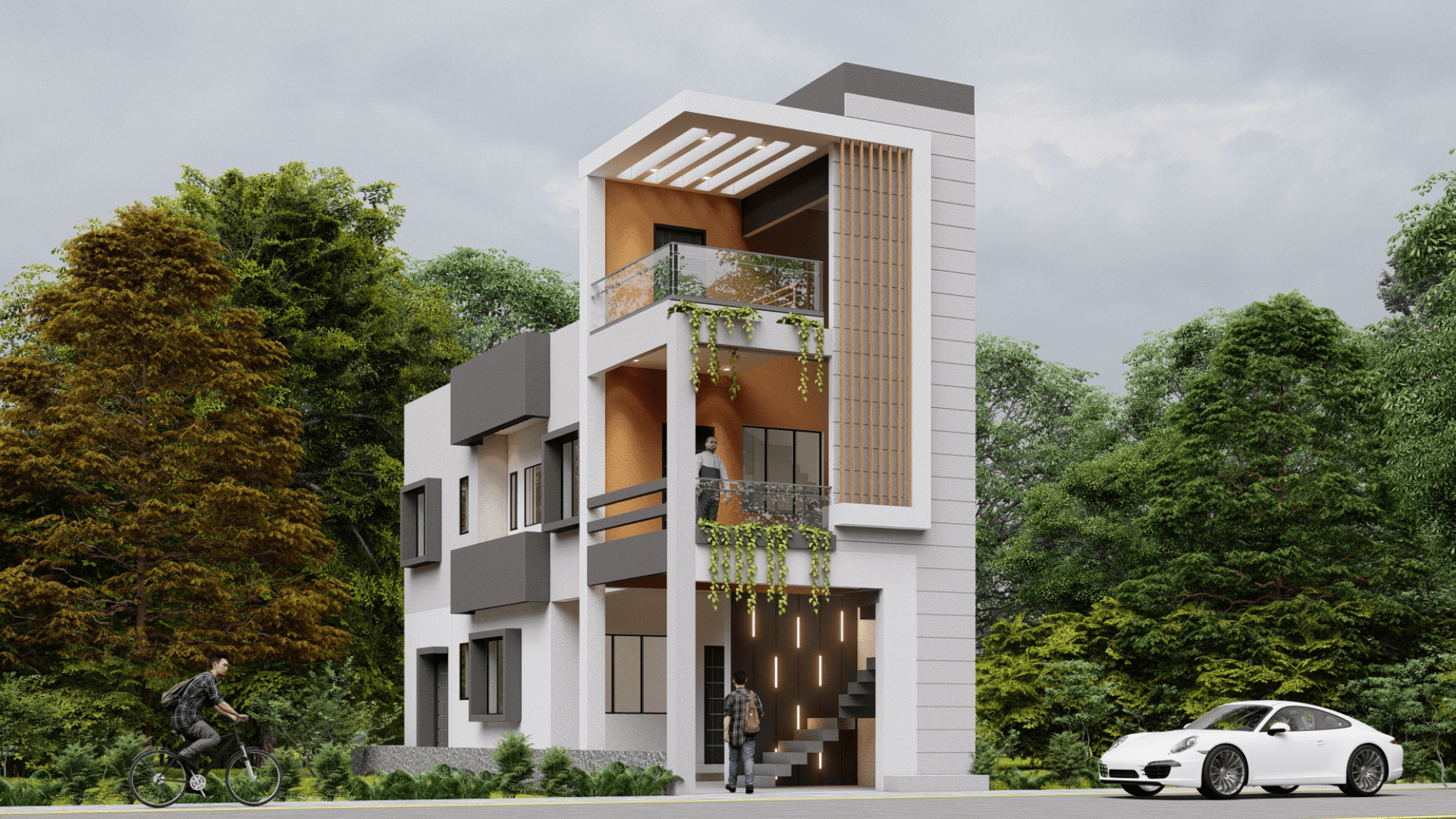
16X50-Elevation-Smartscale-House-Design-1600 sq ft-Builtup-Area 16 by 50 house plan


This design proves that even narrower plots can feature attractive and functional front staircases with approximately 1,600 square feet of built-up area.


Key Features:

The 16×50 layout requires clever design to accommodate a front staircase without overwhelming the facade. This design typically features a compact but well-proportioned staircase that leads to a raised ground floor, maximizing the usable area within the home.

The narrow frontage encourages vertical design thinking, with the staircase becoming a vertical design element that draws the eye upward and makes the home appear more substantial. The design often incorporates vertical architectural elements like columns or textured wall panels that complement the staircase.


Best For: Narrow urban plots, budget-conscious builders, small families or couples, first-time homeowners looking to maximize every square foot.


Smart Solutions: This design demonstrates how to create an appealing entrance without requiring excessive land area. The staircase might be positioned at an angle to maximize the sense of space, or it might incorporate under-stair storage to add functionality.
 

Choosing the Right Staircase Style for Your Home

When selecting a front staircase design, consider these important factors:

Climate Considerations: In areas with heavy rainfall, covered staircases or those with proper drainage become essential. In hot climates, position your staircase to provide some shade to your entrance or use materials that don’t retain excessive heat.

Plot Orientation: The direction your home faces affects how you approach staircase design. North-facing homes might benefit from staircases that don’t block precious sunlight, while south-facing homes might use staircases to create shaded entry areas.

Local Building Codes: Always check your local regulations regarding staircase dimensions, railing heights, and accessibility requirements before finalizing your design.

Maintenance Requirements: Consider how much upkeep different materials and designs require. Intricate designs might look beautiful but require more cleaning and maintenance.

Budget Allocation: Front staircases can range from simple and economical to elaborate and expensive. Determine your budget early and work with your designer to maximize impact within your constraints.

Popular Staircase Configurations

Straight Stairs: The most common and economical option, running directly from ground to entrance level. Best for homes where simplicity and budget are priorities.

L-Shaped Stairs: Turn 90 degrees at a landing, offering a more interesting visual profile and fitting well on corner properties.

U-Shaped Stairs: Turn 180 degrees, creating a dramatic entrance and working well with larger plots.

Curved Stairs: The most elegant option, flowing gracefully from street to entrance. These require more space and budget but create unforgettable first impressions.

Split Stairs: Begin as a single flight and divide into two directions at a landing, creating a grand, symmetrical entrance.

Material Choices for Front Staircases

Concrete: Durable, versatile, and can be finished in numerous ways—from smooth polished surfaces to textured exposed aggregate. Works with any architectural style and handles weather well.

Natural Stone: Granite, marble, or slate provide luxury and permanence. These materials age beautifully and add significant value to your home.

Tiles: Offer endless design possibilities with various colors, patterns, and textures. Choose slip-resistant varieties for safety.

Brick: Creates a classic, timeless look that complements traditional architectural styles. Durable and requires minimal maintenance.

Combination Designs: Many modern homes use multiple materials perhaps concrete structure with stone treads and tile risers to create visual interest and texture.

Enhancing Your Front Staircase

Landscaping Integration: Soften your staircase with flanking planters, climbing vines on side walls, or ground-level gardens that guide visitors to your entrance.

Lighting Design: Install step lights for safety and ambiance, spotlight architectural features, and use wall-mounted fixtures to illuminate the path.

Decorative Railings: Choose from modern glass and steel combinations, traditional wrought iron, minimalist cable systems, or elegant wooden balusters.

Additional Seating: Wide staircases can incorporate built-in seating areas that create inviting spaces to pause and enjoy your surroundings.

Conclusion

Front staircase house designs offer incredible opportunities to enhance your home’s appearance, functionality, and value. Whether you’re working with a compact 16×50 plot or a spacious 30×50 lot, thoughtful staircase design can transform your entrance from ordinary to extraordinary.


The key is balancing aesthetic aspirations with practical needs. Consider your family’s requirements, your plot’s constraints, your budget, and your local climate. Look at various designs for inspiration but adapt them to your unique situation.


Remember that your front staircase is an investment in your home’s future. A well-designed entrance not only serves you daily but also impresses visitors and increases your property’s market value. Take time to plan carefully, work with experienced designers, and don’t hesitate to incorporate personal touches that make your house uniquely yours.


With the right design approach, your front staircase will welcome you home every day and stand as a testament to thoughtful architecture for years to come.

Ready to Design Your Dream Home?

Let SmartScale House Design bring your vision to life! Our expert architects specialize in creating stunning front staircase elevations that combine beauty, functionality, and value. Whether you have a compact 16×50 plot or a spacious 30×50 lot, we’ll design the perfect entrance for your home.

📞 Contact us today for a free consultation!

FAQs

Which type of staircase is best?

The best type of staircase depends on your house size, layout, and daily use. L-shaped staircase is considered the best for most homes. It is safe, comfortable, and fits well in both small and medium houses. Straight staircase is best for narrow plots because it takes less planning and is easy to construct. U-shaped staircase is ideal for large homes where comfort and elegance are a priority. Open staircase works well in modern homes where natural light and visual openness are important. For most Indian homes, an L-shaped or U-shaped staircase offers the right balance of comfort, safety, and space efficiency.

What are common stair design mistakes?

Many problems in houses come from poor staircase planning. Here are the most common mistakes to avoid: Making the staircase too narrow, which feels uncomfortable and unsafe Keeping uneven riser heights, which causes tripping Building very steep stairs that are hard to climb Ignoring natural lighting and ventilation Not providing handrails or guardrails Poor placement that blocks movement or room privacy Using slippery materials without anti-skid treatment A well-designed staircase should feel easy to use, safe for all ages, and well-lit.

What are the different styles of front door steps?

Front door steps add character and function to a home’s entrance. Common styles include: Straight front steps – simple, clean, and suitable for most homes Wide platform steps – give a grand and welcoming feel Curved steps – add elegance and softness to the elevation Split steps – stairs divide into two directions for a premium look Floating steps – modern style with a light appearance Steps with seating or planters – practical and decorative The style should match the house elevation and provide safe, easy access.

Is it good to have stairs facing the front door?

From a functional point of view, stairs facing the front door are not a problem if planned properly. However, from a Vastu perspective, it is generally advised to avoid direct alignment. Possible concerns include: Energy flowing out quickly Reduced sense of privacy Visual imbalance at the entrance If stairs face the main door, simple design solutions like partitions, screens, or decorative walls can balance the space effectively.

What is a very comfortable type of stair?

The most comfortable staircase has the right proportions and layout. Key comfort features include: L-shaped or U-shaped stairs with landings Riser height between 6 to 7 inches Tread depth of 10 to 11 inches Adequate width of at least 3 to 3.5 feet Proper handrails on one or both sides Stairs with landings reduce fatigue and are safer for children and elderly people.

What are common Vastu mistakes to avoid in staircases?

According to Vastu principles, certain staircase placements and designs should be avoided: Staircase in the north-east corner Stairs starting exactly at the center of the house Spiral staircases in the main living area Stairs facing directly toward the main entrance Odd placement that cuts through important rooms Using broken or damaged steps Staircases should ideally rise clockwise and be placed in the south, west, or southwest areas.

What are the lucky stair steps?

There is a common belief in Vastu that the number of steps matters. Lucky step counts usually follow this cycle: 9, 11, 15, 17, 21, 27 The last step should always end on a positive count, such as “Shubh” or “Labha” Avoid even numbers if following strict Vastu principles While these beliefs are optional, many homeowners follow them for peace of mind.

What is the remedy for a staircase in front of the main door?

If your staircase is already facing the main door, there are simple remedies: Install a wooden or glass partition between the door and stairs Use decorative screens or jaali panels Place indoor plants to slow energy movement Add soft lighting near the staircase Use a carpet or runner on stairs to soften visual impact These remedies help maintain privacy, balance energy flow, and improve aesthetics without major changes.

Shopping cart

0
image/svg+xml

No products in the cart.

Continue Shopping

Solverwp- WordPress Theme and Plugin