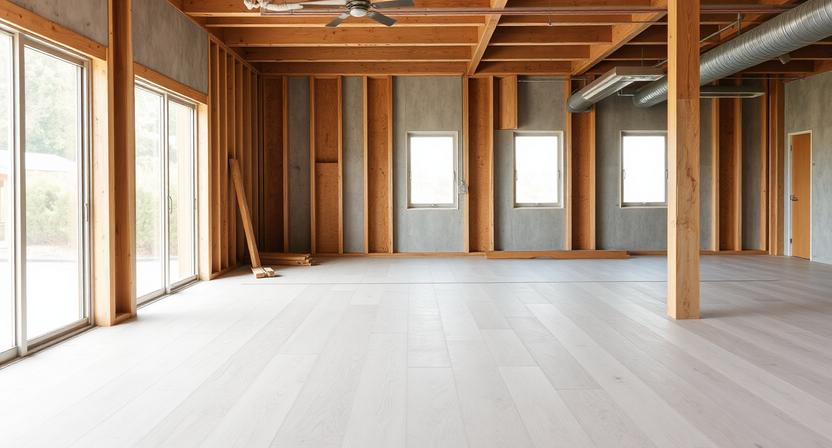
When building or renovating a home, one of the most important decisions you’ll make is choosing the right flooring. The floor you walk on every day needs to be durable, cost-effective, and suitable for your specific needs. Among the many flooring options available in India, IPS flooring stands out as a practical, economical choice that has stood the test of time.
Whether you’re a homeowner planning a new construction, a builder working on a commercial project, or simply curious about flooring options, this comprehensive guide will walk you through everything you need to know about IPS flooring from its basic meaning to detailed cost breakdowns.
Table of Contents
ToggleIntroduction to IPS Flooring
Flooring isn’t just about aesthetics; it’s the foundation of your daily life. A good floor supports heavy furniture, withstands constant foot traffic, and requires minimal maintenance over decades of use. In construction, the floor often represents a significant portion of your budget, making it crucial to choose wisely.
IPS flooring has been a preferred choice in Indian construction for generations. You’ll find it in countless homes, offices, warehouses, and industrial facilities across the country. Why? Because it offers an unbeatable combination of durability, affordability, and practicality that suits India’s diverse climate and construction needs.
IPS flooring is particularly popular in residential buildings (especially in bedrooms, kitchens, and utility areas), commercial spaces like offices and shops, industrial facilities and warehouses, parking areas and garages, staircases and common passages, and terrace areas.
What is IPS Flooring? (Meaning)
IPS stands for Indian Patent Stone a term that might sound technical but refers to a simple, effective flooring technique. IPS flooring is essentially a smooth, cement-based floor finish applied over a base concrete layer. The “Patent Stone” name comes from the polished, stone-like appearance the floor achieves after proper finishing.
In simple terms, IPS flooring is a cement and sand mixture applied as a topping layer over your base floor. When properly laid and finished, it creates a smooth, durable surface that can last for decades with minimal maintenance.
IPS vs PCC Flooring: What's the Difference?
Many people confuse IPS flooring with PCC (Plain Cement Concrete) flooring, but they’re quite different. PCC flooring is a single-layer system where the concrete itself serves as the finished floor. The surface is rougher and less refined. IPS flooring, on the other hand, is a two-layer system with a base concrete layer and a carefully finished cement-sand topping that creates a much smoother surface.
Think of PCC as the foundation and IPS as the polished finishing layer that makes your floor comfortable and attractive.
Benefits of IPS Flooring
Understanding why IPS flooring has remained popular for decades helps you appreciate its value. Here are the key benefits that make it a smart choice:
Durable and Long-Lasting Surface: When properly installed and cured, IPS flooring can easily last 15-20 years or more without major repairs. It withstands daily wear and tear remarkably well, making it a one-time investment for most homeowners.
Cost-Effective Flooring Solution: Compared to tiles, marble, or wooden flooring, IPS costs significantly less. For budget-conscious builders and homeowners, it delivers excellent valuea professional-quality floor without premium pricing.
Smooth and Joint-Free Finish: Unlike tiles that have visible grout lines, IPS creates a seamless, monolithic surface. This joint-free finish not only looks cleaner but also prevents dirt accumulation in cracks and gaps.
Easy to Maintain and Repair: Daily maintenance involves simple sweeping and occasional mopping. If cracks develop over time, they’re relatively easy and inexpensive to repair without replacing the entire floor.
Suitable for Heavy Load Areas: IPS flooring handles heavy furniture, machinery, and constant foot traffic without cracking or breaking. This makes it ideal for industrial applications, warehouses, and commercial spaces.
Faster Execution: Skilled workers can complete IPS flooring relatively quickly. You don’t need to wait for adhesives to set or tiles to be aligned the entire process moves efficiently from preparation to curing.
Types of IPS Flooring
Not all IPS flooring is identical. Depending on your specific needs, you can choose from several types:
1. Plain IPS Flooring
This is the standard cement-based smooth finish you’ll see in most homes and buildings. It uses natural gray cement without any color additives, creating a simple, functional surface. Plain IPS is the most economical option and works perfectly for utility areas, garages, and spaces where aesthetics aren’t the primary concern.
2. Colored IPS Flooring
By adding oxide pigments to the cement mixture, you can create colored IPS flooring in shades like red, green, yellow, or brown. This adds visual interest without significantly increasing costs. Colored IPS is popular in schools, hospitals, and homes where you want a more attractive finish without investing in expensive tiles.
3. Heavy-Duty IPS Flooring
For industrial facilities, warehouses, and areas with extreme load requirements, heavy-duty IPS uses a higher cement content in the mixture. This increases the floor’s compressive strength and makes it more resistant to impact and abrasion. The extra cement does increase costs, but for heavy machinery and constant vehicle traffic, it’s a worthwhile investment.
4. IPS Flooring with Hardener
Adding a chemical hardener to the top layer creates an even more durable surface with increased abrasion resistance. This type is common in commercial spaces, showrooms, and parking areas where surface durability is critical. The hardener creates a denser, more wear-resistant finish that can handle heavy use for years.
Applications of IPS Flooring
IPS flooring’s versatility makes it suitable for a wide range of applications:
Residential Buildings: Bedrooms, kitchens, servant quarters, and balconies all benefit from IPS flooring’s durability and ease of maintenance. Many homeowners choose IPS for areas that don’t require premium finishes but need reliable performance.
Commercial Spaces: Offices, retail shops, restaurants, and educational institutions often use IPS flooring in back-of-house areas, storage rooms, and spaces with high foot traffic but limited budgets.
Industrial Floors: Factories, manufacturing units, and production facilities depend on IPS flooring’s ability to handle heavy machinery, chemical spills (when properly sealed), and constant movement of goods.
Parking Areas: Both residential and commercial parking areas benefit from IPS flooring’s strength and crack resistance. It handles vehicle weight and tire abrasion better than many alternatives.
Warehouses and Godowns: Storage facilities need floors that can support heavy pallets and frequent forklift movement. Heavy-duty IPS flooring meets these demands without breaking the budget.
Staircases, Passages, and Terraces: Common areas in apartment buildings and commercial complexes often feature IPS flooring for its durability and low maintenance requirements.
How IPS Flooring is Made (Construction Process)
Understanding the construction process helps you ensure quality work and proper execution. Here’s how IPS flooring is installed:
Surface Preparation: The base concrete slab must be clean, rough, and free from oil, grease, or loose particles. Workers typically chip the surface lightly to create a rough texture that helps the IPS layer bond properly.
Base Concrete Layer: If you’re starting from scratch, a base concrete layer (typically 75-100mm thick) is laid and allowed to cure for at least 7-14 days. This provides the structural foundation for your floor.
IPS Topping Layer: A mixture of cement and sand (usually in a 1:3 or 1:4 ratio) is prepared. This mixture is spread evenly over the base layer at the desired thickness.
Cement Slurry Application: Before laying the IPS mixture, workers apply a thin cement slurry (a liquid mixture of cement and water) to the base surface. This acts as a bonding agent between the old concrete and new IPS layer.
Leveling and Finishing: Using straight edges and wooden or steel floats, workers level the IPS mixture to create a perfectly smooth, even surface. This requires skill and experience to avoid undulations or low spots.
Curing Process and Duration: After finishing, the floor must be kept wet for at least 7 days (preferably 14 days for optimal strength). Workers typically cover the floor with wet gunny bags or repeatedly sprinkle water. Proper curing is absolutely critical it prevents cracks and ensures the floor reaches its full strength.
IPS Flooring Thickness
The thickness of your IPS flooring significantly impacts its performance and cost. Here’s what you need to know:
Standard IPS Flooring Thickness: The typical IPS flooring thickness ranges from 40mm to 75mm, including both the base layer and the topping. However, this varies based on the application.
Residential Use: For homes and apartments, a total thickness of 40-50mm works well. This includes approximately 25-30mm for the topping layer. This thickness handles normal foot traffic and furniture weight without issues.
Commercial Use: Offices, shops, and commercial buildings typically use 50-65mm total thickness. The increased thickness provides additional strength for higher foot traffic and heavier furniture.
Industrial Use: Warehouses, factories, and heavy-duty applications require 65-75mm or even thicker floors. The topping layer alone might be 40-50mm to handle machinery, vehicles, and heavy loads.
Importance of Correct Thickness: Too thin, and your floor may crack or fail under load. Too thick, and you’re wasting materials and money. The right thickness balances performance needs with cost efficiency. Always consult with experienced contractors who understand local conditions and your specific requirements.
IPS Flooring Specifications
Professional construction requires precise specifications. Here are the standard technical specifications for quality IPS flooring:
Cement Grade Used: Ordinary Portland Cement (OPC) 43 grade or 53 grade cement is typically used. Higher grades provide greater strength but cost more. For most residential applications, 43 grade works perfectly fine.
Sand Quality and Grading: Clean, coarse sand passing through a 4.75mm sieve and retained on a 150-micron sieve is ideal. The sand should be free from silt, clay, and organic matter, which can weaken the mixture and cause cracks.
Cement-to-Sand Ratio: The standard ratio is 1:3 or 1:4 (one part cement to three or four parts sand). For heavy-duty applications, a richer 1:3 mix provides extra strength. For normal residential use, 1:4 offers good balance between strength and cost.
Water-Cement Ratio: The water-cement ratio should be approximately 0.4 to 0.5. Too much water weakens the mixture and causes shrinkage cracks. Too little water makes the mixture difficult to work with and prevents proper finishing.
Surface Finish Requirements: The finished surface should be smooth, level, and free from undulations. Tolerance typically allows for ±3mm deviation over a 3-meter straight edge. The surface should have a uniform texture without patches or weak spots.
Curing Standards: Minimum 7 days of water curing is mandatory, with 14 days preferred for optimal strength development. The surface must be kept continuously moist during this period.
IPS Flooring Advantages
Let’s summarize the key advantages that make IPS flooring an excellent choice:
High Compressive Strength: Properly installed IPS flooring can achieve compressive strength of 20-30 MPa or higher, making it suitable for most residential and commercial applications.
Crack-Resistant When Properly Cured: With adequate curing and proper installation, IPS flooring resists cracking remarkably well. Most cracks that do occur result from inadequate curing or structural issues in the base slab.
Minimal Maintenance: Unlike tiles that need grout cleaning or wooden floors that require polishing, IPS flooring needs only regular sweeping and occasional mopping. This simplicity saves time and money over the floor’s lifetime.
Long Service Life: With proper installation and basic maintenance, IPS flooring easily lasts 15-25 years. Many older buildings still have original IPS floors that function perfectly after decades of use.
Suitable for Indian Climatic Conditions: IPS flooring handles India’s hot summers, monsoon moisture, and temperature variations without deteriorating. It doesn’t expand or contract significantly with temperature changes.
IPS Flooring Disadvantages
Every flooring type has limitations. Understanding IPS flooring’s disadvantages helps you make an informed decision:
Limited Design Options: IPS creates a simple, functional surface without the decorative appeal of tiles, marble, or wooden flooring. Even colored IPS offers limited aesthetic options compared to modern flooring materials.
Can Develop Cracks if Curing is Poor: Inadequate curing is IPS flooring’s biggest enemy. Without proper water curing for sufficient time, the floor will develop shrinkage cracks that compromise both appearance and durability.
Slippery When Wet: The smooth surface can become slippery when wet, creating a safety concern in bathrooms, kitchens, and outdoor areas. Anti-slip treatments or textured finishes can help but add to the cost.
Requires Skilled Workmanship: Creating a perfectly level, smooth IPS floor requires experience and skill. Poor workmanship results in an uneven surface with patches, undulations, and weak spots that fail prematurely.
Not as Decorative as Tiles or Marble: If aesthetics are your primary concern, IPS flooring won’t match the visual appeal of premium materials. It’s functional and durable but not particularly attractive.
IPS Flooring BOQ Specification
For those working with contractors or preparing project estimates, here’s how IPS flooring appears in a Bill of Quantities (BOQ):
Description of Work: “Providing and laying IPS flooring of required thickness including leveling, finishing, and curing complete as per specifications.”
Material Specifications:
- Cement: OPC 43 grade
- Sand: Clean, coarse sand conforming to grading zone II
- Cement-sand ratio: 1:4 (or as specified)
Thickness Details: “IPS flooring of 40mm total thickness (25mm topping over 15mm base)” or as per project requirements.
Surface Finish Requirements: “Smooth steel trowel finish, level surface with tolerance of ±3mm over 3-meter straight edge.”
Measurement Method: Measured in square meters (sqm) of actual area covered. No deduction for areas less than 0.5 sqm. Includes finishing up to walls and edges.
Curing and Protection Clauses: “Including water curing for minimum 7 days and protection from traffic until surface achieves sufficient strength.”
IPS Flooring Rate per Sqm
One of the most common questions is: “How much does IPS flooring cost?” The answer varies based on several factors, but here’s a realistic overview:
Average IPS Flooring Rate: In India, IPS flooring typically costs between ₹80 to ₹180 per square meter for materials and labor combined. This wide range depends on the factors below.
Factors Affecting IPS Flooring Cost:
Thickness: Thicker floors require more material, increasing costs proportionally. A 50mm floor costs more than a 40mm floor.
Cement Grade: Using 53 grade cement instead of 43 grade increases material costs by approximately 10-15%.
Labor Charges: Skilled labor commands higher rates. In metro cities, labor costs can be 50-70% higher than in smaller towns.
Location and Site Conditions: Remote locations with limited material availability face higher transportation costs. Upper floors require additional labor for material handling. Difficult site access increases overall expenses.
IPS Flooring Price Breakdown
Understanding where your money goes helps you budget accurately. Here’s a typical cost breakdown for standard IPS flooring:
Material Cost (per sqm):
- Cement: ₹25-35
- Sand: ₹8-12
- Water and miscellaneous: ₹3-5
- Total Material Cost: ₹36-52 per sqm
Labor Cost (per sqm):
- Surface preparation: ₹8-12
- IPS laying and finishing: ₹28-40
- Total Labor Cost: ₹36-52 per sqm
Curing and Finishing Cost (per sqm):
- Water curing (7-14 days): ₹5-8
- Surface protection: ₹3-5
- Total Curing Cost: ₹8-13 per sqm
Transportation Cost (per sqm): ₹5-10 (varies significantly by location)
Approximate Total Price: ₹85-127 per sqm for standard residential IPS flooring
For heavy-duty or colored IPS, add approximately 20-40% to these costs. These figures are approximate and vary by region, material availability, and current market rates.
IPS Flooring vs Other Flooring Types
Choosing between flooring options becomes easier when you see direct comparisons. Here’s how IPS flooring stacks up against popular alternatives:
| Feature | IPS Flooring | PCC Flooring | Vitrified Tiles | Epoxy Flooring |
|---|---|---|---|---|
| Cost per sqm | ₹80-180 | ₹60-100 | ₹300-800 | ₹200-400 |
| Installation Time | Moderate (7-14 days with curing) | Fast (3-7 days) | Slow (depends on area) | Fast (2-3 days) |
| Durability | High (15-25 years) | Moderate (10-15 years) | Very High (20-30 years) | High (10-20 years) |
| Aesthetics | Basic to moderate | Basic | Excellent | Good to Excellent |
| Maintenance | Low | Low | Moderate (grout cleaning) | Low |
| Repair Ease | Easy | Moderate | Difficult (replacement needed) | Moderate |
| Load Bearing | Excellent | Good | Good | Very Good |
| Slip Resistance | Low when wet | Moderate | Varies by finish | Can be enhanced |
| Best Use Case | Budget projects, industrial | Temporary/utility areas | Premium residential | Commercial, industrial |
IPS vs PCC Flooring: IPS provides a much smoother, more refined finish compared to PCC. While PCC costs less initially, the rough surface makes it suitable only for utility areas, garages, or spaces where appearance doesn’t matter. IPS is worth the modest additional investment for any lived-in space.
IPS vs Vitrified Tiles: Tiles win hands-down on aesthetics and offer more design options. However, they cost 3-5 times more than IPS flooring. Tiles also require skilled installation, and repairs mean replacing entire tiles. Choose tiles for premium spaces where appearance matters; choose IPS where functionality and budget are priorities.
IPS vs Epoxy Flooring: Epoxy creates a seamless, chemical-resistant surface popular in commercial and industrial settings. It costs 2-3 times more than IPS but offers superior chemical resistance and easier cleaning. For warehouses handling chemicals or showrooms needing a polished look, epoxy justifies the extra cost. For general-purpose flooring, IPS provides better value.
Maintenance Tips for IPS Flooring
Proper maintenance extends your floor’s life and keeps it looking good for decades:
Cleaning Guidelines:
- Sweep or vacuum daily to remove dust and grit that can scratch the surface
- Mop with clean water weekly; avoid harsh chemicals that can damage the cement
- For stubborn stains, use a mild detergent solution and rinse thoroughly
- Avoid dragging heavy furniture; use felt pads under furniture legs
Crack Repair Methods:
- Clean the crack thoroughly, removing all loose material and dust
- Fill with a cement-sand mixture (same ratio as original flooring) or specialized repair compound
- For wider cracks, use an epoxy-based filler for better adhesion
- Cure the repaired area for 3-5 days before allowing traffic
Surface Polishing Options:
- Over time, you can polish IPS flooring to restore its shine
- Use a concrete polishing machine with progressively finer grits
- Apply a concrete sealer or floor polish to protect the surface and enhance appearance
- Professional polishing every 3-5 years keeps the floor looking fresh
Long-Term Care Tips:
- Address cracks and damage promptly before they worsen
- Avoid water stagnation, which can weaken the surface over time
- In high-traffic areas, consider applying a clear sealer to reduce wear
- Re-cure (water the floor) during hot summer months if you notice surface dusting
Ready to Build a Durable and Stylish Floor?
Trust SmartScale House Design for expert consultation, precise planning, and flawless execution of IPS flooring for your home or commercial project.
📞 Contact Us Today to get a personalized estimate and start your construction journey!
Conclusion
IPS flooring has earned its place as one of India’s most reliable, cost-effective flooring solutions. While it may not have the glamorous appeal of marble or the design variety of tiles, it delivers where it matters most: durability, affordability, and low maintenance.
When IPS Flooring is the Right Choice:
Choose IPS flooring when you need a budget-friendly solution that doesn’t compromise on durability, you’re working on industrial, commercial, or utility spaces where function matters more than aesthetics, you need a floor that can handle heavy loads and constant traffic, you want minimal maintenance over the floor’s lifetime, or you’re building in areas where skilled tile layers are scarce or expensive.
Ideal Use Cases:
IPS flooring shines in residential buildings (especially bedrooms, kitchens, and servant quarters), commercial back-of-house areas and storage rooms, industrial facilities and warehouses, parking areas and garages, and budget construction projects where every rupee counts.
Cost vs Durability Summary:
At ₹80-180 per square meter, IPS flooring costs a fraction of premium alternatives while delivering 15-25 years of reliable service. The initial savings multiply over time through low maintenance costs and easy repairs. For the vast majority of construction projects in India, IPS flooring represents the sweet spot between performance and price.