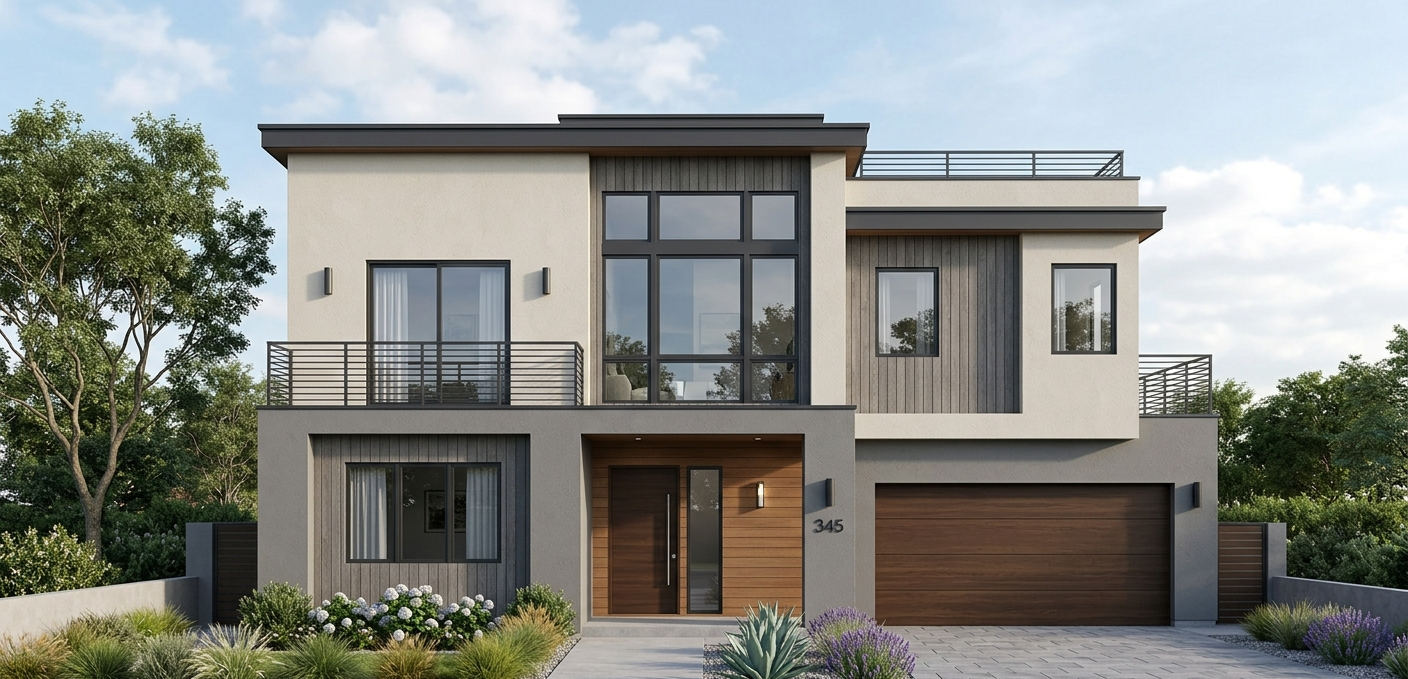
The construction cost of a 1000 sq ft house in India typically ranges from ₹15 lakh to ₹30 lakh or more, depending on location, material quality, labor rates, structural requirements, and finishing specifications. For most homeowners, a standard-quality home costs between ₹18 lakh and ₹25 lakh.
If you are planning to build a house, understanding every cost component before construction begins can help you avoid budget overruns and costly mistakes.
Table of Contents
ToggleWhat Is the Construction Cost of a 1000 Sq Ft House?
A 1000 sq ft house is one of the most popular home sizes in India. It offers enough space for a comfortable family while keeping construction costs manageable.
The final construction cost depends on factors such as:
- City or town location
- Soil condition
- Number of floors
- Material quality
- Architectural design
- Labor charges
- Interior finishes
As a general estimate:
| Construction Quality | Cost Per Sq Ft | Total Cost |
|---|---|---|
| Basic | ₹1,500 to ₹1,800 | ₹15 lakh to ₹18 lakh |
| Standard | ₹1,800 to ₹2,500 | ₹18 lakh to ₹25 lakh |
| Premium | ₹2,500 to ₹3,500+ | ₹25 lakh to ₹35 lakh+ |
These figures generally include structural and finishing work but may exclude land cost, approvals, compound walls, and interiors.
How to Calculate the Cost of a 1000 Sq Ft House
The simplest formula is:
Construction Cost = Built-Up Area × Construction Rate Per Sq Ft
For example:
1000 sq ft × ₹2,000 per sq ft = ₹20,00,000
If the construction rate increases to ₹2,500 per sq ft:
1000 sq ft × ₹2,500 per sq ft = ₹25,00,000
This formula provides a rough estimate. Actual costs vary based on project specifications.
Understanding Cost Per Square Foot
Many homeowners search for a fixed construction rate. In reality, there is no single rate that applies to every project.
Basic Construction
Basic construction focuses on functionality rather than luxury.
Features usually include:
- Standard flooring
- Basic electrical fittings
- Regular paint
- Conventional sanitary fixtures
Suitable for:
- Budget homes
- Village houses
- Rental properties
Standard Construction
This category balances quality and affordability.
Features include:
- Better tile selection
- Quality paint
- Improved plumbing fixtures
- Modern elevation design
This is the most common category for urban homeowners.
Premium Construction
Premium homes focus on aesthetics, durability, and comfort.
Features include:
- Designer elevations
- Premium flooring
- Luxury sanitary fittings
- Advanced lighting
- High-end finishes
The cost can increase significantly depending on customization.
Detailed Cost Breakdown of a 1000 Sq Ft House
Understanding where your money goes is essential for proper budgeting.
Foundation Cost
The foundation transfers the load of the structure to the ground.
It includes:
- Excavation
- PCC work
- Footings
- Foundation beams
- Backfilling
Foundation work generally accounts for 10% to 15% of the total construction cost.
A weak foundation can lead to serious structural problems, so this is not an area where cutting costs is recommended.
Structural Frame Cost
The structural frame is the skeleton of the house.
It consists of:
- RCC columns
- Beams
- Slabs
- Staircases
This is usually one of the most expensive parts of construction.
The structural frame may account for 25% to 35% of the total budget.
Factors affecting structural costs include:
- Number of floors
- Soil condition
- Earthquake zone requirements
- Span lengths
Brickwork and Masonry Cost
Walls form the basic enclosure of the house.
Common materials include:
- Red bricks
- Fly ash bricks
- AAC blocks
- Concrete blocks
AAC blocks are becoming increasingly popular because they reduce dead load and improve thermal insulation.
Wall construction typically consumes 10% to 15% of the total budget.
Roofing and Waterproofing Cost
Waterproofing is often ignored until leakage problems appear.
Proper waterproofing should be provided for:
- Roof slabs
- Bathrooms
- Balconies
- Water tanks
Good waterproofing reduces future maintenance expenses and improves the life of the building.
Doors and Windows Cost
Door and window costs vary widely depending on materials.
Common options include:
- Wooden doors
- Flush doors
- UPVC windows
- Aluminum windows
- Steel doors
UPVC windows have become popular due to their durability and low maintenance requirements.
Flooring Cost for a 1000 Sq Ft House
Flooring has a significant impact on both appearance and cost.
Ceramic Tiles
Ceramic tiles are among the most economical choices.
Advantages include:
- Affordable pricing
- Easy installation
- Wide variety of designs
Vitrified Tiles
Vitrified tiles offer better durability and aesthetics.
Many modern homes use vitrified tiles because they provide a premium appearance without excessive costs.
Granite Flooring
Granite is highly durable and elegant.
It is commonly used for:
- Staircases
- Kitchen counters
- Living areas
Marble Flooring
Marble creates a luxurious look but increases the project budget substantially.
Homeowners should evaluate maintenance requirements before choosing marble flooring.
Electrical Work Cost
Electrical work includes more than wiring.
A complete electrical system generally consists of:
- Internal wiring
- Switches
- Sockets
- Distribution board
- Earthing system
- Lighting points
Electrical costs generally range from 5% to 8% of the overall construction budget.
Using quality electrical materials improves safety and reduces future maintenance issues.
Plumbing Work Cost
A plumbing system affects comfort, hygiene, and functionality.
The plumbing budget includes:
- Water supply pipes
- Drainage pipes
- Bathroom fixtures
- Water tanks
- Pumps
Poor plumbing can create long-term problems and expensive repairs.
Choosing quality materials from the beginning often saves money over the life of the house.
Painting Cost
Painting protects walls and improves aesthetics.
Interior Paint
Popular options include:
- Distemper
- Emulsion paint
- Premium washable paints
Exterior Paint
Exterior paint must withstand:
- Rain
- Sunlight
- Humidity
- Temperature changes
High-quality exterior paint generally lasts longer and requires less maintenance.
Material Cost Breakdown
Construction material prices vary by location and market conditions.
Major materials include:
| Material | Share of Construction Budget |
| Cement | 12% to 15% |
| Steel | 18% to 25% |
| Sand | 6% to 10% |
| Aggregate | 5% to 8% |
| Bricks or Blocks | 8% to 12% |
| Tiles | 5% to 10% |
| Paint | 3% to 5% |
Steel and cement typically account for the largest portion of material expenses.
Monitoring market prices before purchasing materials can help reduce costs.
Labor Cost Breakdown
Labor charges have increased significantly in recent years.
Common labor categories include:
Mason
Responsible for:
- Brickwork
- Plastering
- Structural construction
Helper
Supports masons and construction activities.
Carpenter
Handles:
- Shuttering
- Doors
- Furniture installation
Electrician
Responsible for electrical installation and testing.
Plumber
Installs water supply and drainage systems.
Painter
Completes finishing work.
Labor generally contributes 25% to 35% of total construction expenses.
Factors That Affect the Construction Cost of a 1000 Sq Ft House
Location
Construction costs vary significantly between cities.
Metro cities usually have:
- Higher labor charges
- Higher transportation costs
- Higher material costs
Smaller towns often have lower overall construction costs.
Soil Condition
Soil quality directly affects foundation expenses.
Problematic soil conditions may require:
- Deeper foundations
- Additional reinforcement
- Soil treatment
This can substantially increase the overall budget.
Number of Floors
A ground-floor house costs less than a multi-story structure.
Additional floors require:
- Stronger foundations
- More steel
- More concrete
- Additional staircase construction
Design Complexity
Simple rectangular plans are usually more economical.
Complex elevations often require:
- Additional structural elements
- Decorative features
- Specialized workmanship
Material Selection
Premium materials can significantly increase project costs.
Examples include:
- Imported tiles
- Luxury fittings
- Premium paints
- Designer lighting
Choosing materials strategically helps balance quality and affordability.
Construction Cost in Major Indian Cities
Construction rates vary based on local market conditions.
Approximate rates are:
| City | Average Construction Cost Per Sq Ft |
| Mumbai | ₹2,500 to ₹4,000+ |
| Pune | ₹2,000 to ₹3,200 |
| Bangalore | ₹2,000 to ₹3,500 |
| Hyderabad | ₹1,900 to ₹3,200 |
| Chennai | ₹2,000 to ₹3,300 |
| Delhi NCR | ₹2,000 to ₹3,500 |
| Nagpur | ₹1,800 to ₹2,800 |
Always obtain local quotations before finalizing your budget.
House Plan Options Within 1000 Sq Ft
A 1000 sq ft home can accommodate different layouts depending on family size and lifestyle requirements.
Two Bedroom House Plan
A two-bedroom layout is the most common option for a 1000 sq ft house.
Typical spaces include:
- Living room
- Kitchen
- Dining area
- Two bedrooms
- Two bathrooms
- Utility area
This layout provides comfortable living space for a small or medium-sized family.
Compact Three Bedroom House Plan
A three-bedroom layout is possible within 1000 sq ft through efficient space planning.
This generally involves:
- Compact bedrooms
- Open living and dining areas
- Space-saving furniture arrangements
Proper architectural planning becomes important to avoid overcrowding.
House With Car Parking
Many homeowners want dedicated parking within the plot.
Parking space affects:
- Built-up area
- Room sizes
- Floor plan arrangement
A well-designed plan can provide both comfortable living spaces and vehicle parking.
Future Expansion Planning
Many families start with a ground-floor house and add another floor later.
Planning for future expansion during the initial construction stage can save substantial money.
This usually requires:
- Stronger foundation
- Appropriate column sizes
- Structural provisions for additional floors
Ignoring future expansion plans may lead to expensive structural modifications later.
Hidden Costs Most Homeowners Forget
Many construction budgets fail because homeowners only focus on the building structure and overlook additional expenses.
These hidden costs can add several lakhs to the final project budget.
Architectural Design Fees
A professional house design includes:
- Floor plans
- Elevations
- Working drawings
- Construction details
Architectural fees are often a small percentage of the total project cost but can significantly improve functionality and cost efficiency.
Structural Design Fees
Structural engineering ensures the building remains safe and stable.
The structural design package typically includes:
- Foundation design
- Column design
- Beam design
- Slab design
Skipping professional structural design can result in safety risks and costly corrections.
Approval and Permit Costs
Depending on local regulations, homeowners may need approvals for:
- Building plans
- Municipal permissions
- Development charges
- Utility connections
These costs vary by city and authority.
Compound Wall Construction
Many people exclude compound walls from their initial budget.
A compound wall may include:
- Boundary wall
- Entrance gate
- Pillars
- Finishing work
This can become a significant additional expense.
Borewell and Water Connection
Water availability is critical during and after construction.
Potential expenses include:
- Borewell drilling
- Water storage tanks
- Municipal connections
- Pumps
These costs are often underestimated.
Electrical Connection Charges
Obtaining a permanent electricity connection may involve:
- Application fees
- Meter charges
- Wiring upgrades
These expenses should be included in the overall budget.
Interior Work
Construction and interiors are not the same.
Interior expenses may include:
- Modular kitchen
- Wardrobes
- False ceilings
- Decorative lighting
- Furniture
Interior work can easily add several lakhs to the total project cost.
Landscaping and Exterior Development
External development may include:
- Paving
- Garden areas
- Outdoor lighting
- Drainage systems
These costs are commonly overlooked during planning.
Sample Budget for a Standard 1000 Sq Ft House
The following example illustrates a typical budget for a standard-quality house.
| Component | Approximate Cost |
|---|---|
| Foundation | ₹2,20,000 |
| RCC Structure | ₹5,50,000 |
| Brickwork | ₹2,20,000 |
| Plastering | ₹1,00,000 |
| Flooring | ₹1,50,000 |
| Doors and Windows | ₹1,20,000 |
| Electrical Work | ₹90,000 |
| Plumbing Work | ₹90,000 |
| Painting | ₹80,000 |
| Waterproofing | ₹40,000 |
| Miscellaneous | ₹90,000 |
| Contingency | ₹1,00,000 |
Estimated Total: ₹18 lakh to ₹20 lakh
This is only a sample budget. Actual costs vary depending on location and specifications.
How to Reduce Construction Cost Without Compromising Quality
Reducing construction costs does not mean choosing poor-quality materials.
The goal is to optimize spending while maintaining structural safety and long-term durability.
Start With a Proper House Plan
Many construction cost overruns occur because homeowners begin construction without complete drawings.
Detailed plans help avoid:
- Site confusion
- Material wastage
- Design changes during construction
Proper planning usually saves more money than any discount on materials.
Keep the Design Simple
Simple house designs are generally more economical.
Complex shapes often require:
- Additional columns
- Extra beams
- More labor
- Higher finishing costs
A clean and efficient design can reduce construction expenses significantly.
Avoid Mid-Construction Changes
Changing layouts after construction starts is one of the biggest reasons projects exceed budget.
Common costly changes include:
- Moving walls
- Relocating bathrooms
- Changing staircase positions
- Modifying room dimensions
Finalizing the design before construction begins helps control costs.
Compare Material Prices
Material costs can vary between suppliers.
Before purchasing:
- Compare quotations
- Check transportation costs
- Verify quality standards
Even small savings on major materials can reduce the overall project cost.
Use Space Efficiently
Efficient layouts often provide better usability than larger homes.
Good design can:
- Eliminate wasted corridors
- Improve natural lighting
- Improve ventilation
- Reduce unnecessary construction area
Maintain a Contingency Budget
Unexpected expenses occur in almost every construction project.
Keeping a contingency reserve of 5% to 10% helps prevent financial stress.
Is a 1000 Sq Ft House Enough for a Family?
For many Indian families, 1000 sq ft provides a comfortable balance between affordability and functionality.
Suitable for Nuclear Families
A family of three to five members can comfortably live in a well-planned 1000 sq ft home.
A thoughtful layout can accommodate:
- Multiple bedrooms
- Functional kitchen
- Comfortable living room
- Adequate storage
Suitable for First-Time Homeowners
A 1000 sq ft house is often an ideal starting point because:
- Construction costs remain manageable
- Maintenance expenses are lower
- Future expansion remains possible
Suitable for Rental Investment
Investors frequently choose this size because it offers:
- Good rental demand
- Reasonable construction costs
- Faster project completion
Suitable for Urban Plots
In many cities, plot sizes are limited.
A 1000 sq ft design can maximize available space while maintaining comfort and practicality.
Common Mistakes That Increase Construction Cost
Many homeowners unknowingly increase their project budget through avoidable mistakes.
Beginning Construction Without Detailed Drawings
This often leads to:
- Construction errors
- Rework
- Material wastage
Choosing Materials Only Based on Price
The cheapest material is not always the most economical option.
Low-quality materials may require frequent repairs and replacements.
Ignoring Soil Testing
Soil conditions directly affect foundation design.
Skipping soil investigation can result in inaccurate structural planning.
Not Planning for Future Needs
Many families later require:
- Additional bedrooms
- Home office space
- Extra floor construction
Future requirements should be considered during the design stage.
Hiring Without Comparing Quotations
Obtaining multiple quotations helps homeowners understand market rates and make informed decisions.
Get a Professionally Designed House Before You Build
A significant portion of construction cost overruns happens because homeowners begin construction without complete architectural and working drawings.
At SmartScale House Design, we help homeowners across India plan their homes with detailed floor plans, modern 3D elevation designs, structural coordination, and construction-ready drawings. Proper planning before construction starts can help optimize space, reduce costly mistakes, and create a home that fits your budget and lifestyle.
Whether you are planning a compact two-bedroom house, a future-ready family home, or a custom-designed residence, getting the design right is the first step toward controlling construction costs and achieving better results.
Conclusion
The construction cost of a 1000 sq ft house depends on much more than just the square footage. Material quality, labor charges, soil conditions, design complexity, and finishing choices all influence the final budget.
For most homeowners, a realistic budget falls between ₹18 lakh and ₹25 lakh for a standard-quality house. Premium specifications can increase costs considerably, while basic construction may reduce the budget.
The most effective way to control construction costs is proper planning before work begins. A well-designed house not only improves comfort and functionality but also reduces material wastage, avoids site errors, and prevents expensive modifications during construction.