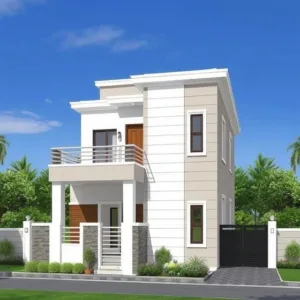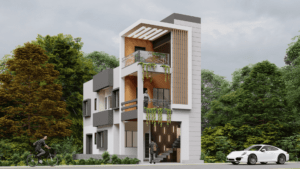
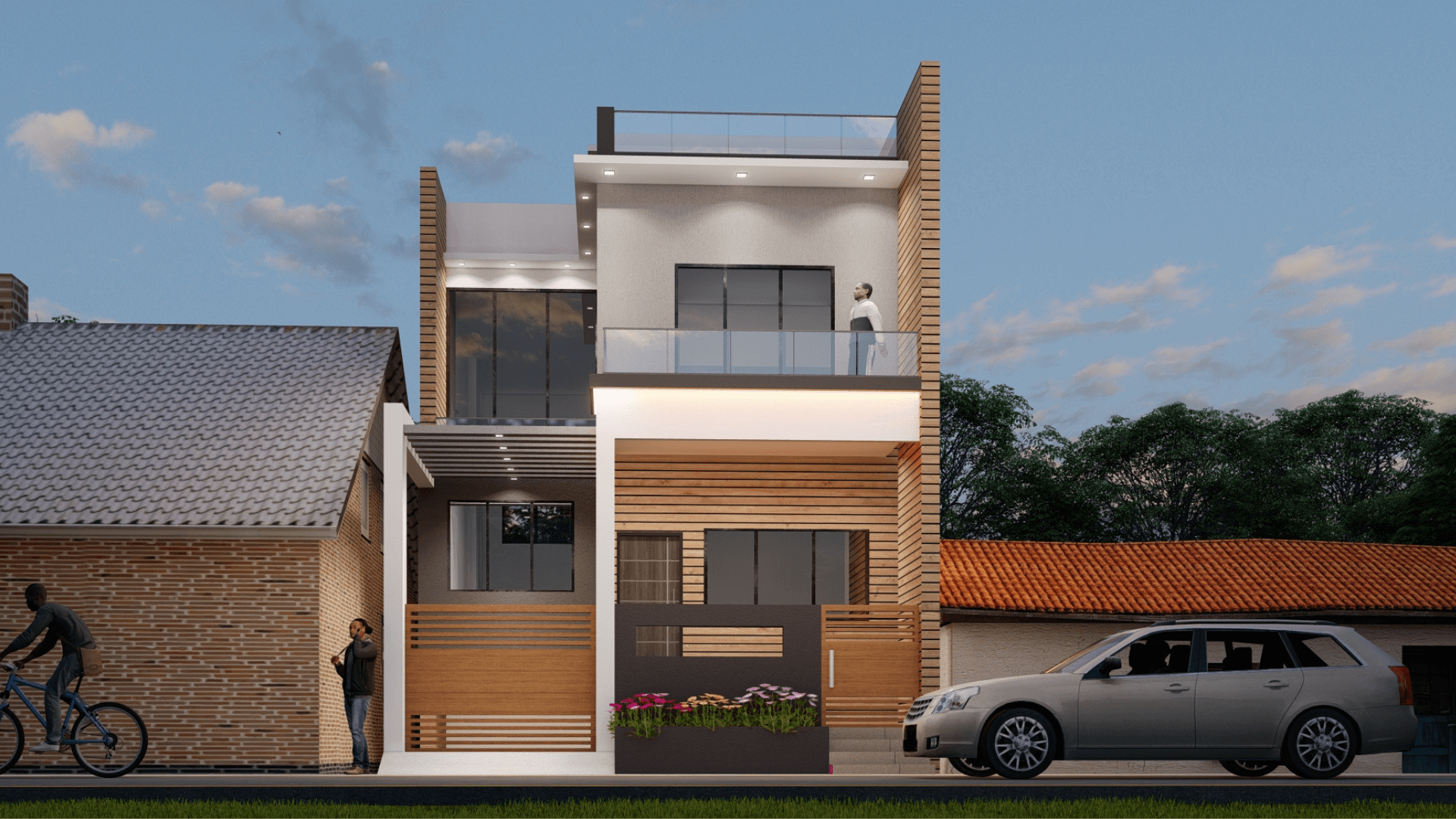
A 20×30 house is one of the most practical home sizes for small and growing families. With a plot area of 600 square feet, it provides enough space for comfortable living while keeping construction costs under control.
The cost of building a 20×30 house depends on factors such as location, material quality, labor rates, number of floors, structural design, and finishing specifications.
For most homeowners, the construction cost of a 20×30 house ranges between ₹12 lakh and ₹35 lakh or more depending on the scope of work and quality of finishes.
This guide explains every major expense involved in constructing a 20×30 house and helps you estimate your budget accurately.
Table of Contents
ToggleWhat Is the Cost to Build a 20×30 House?
The average construction cost of a 20×30 house in India depends largely on the cost per square foot.
| Construction Quality | Cost Per Sq Ft | Estimated Ground Floor Cost |
|---|---|---|
| Basic | ₹1,800 – ₹2,200 | ₹10.8 lakh – ₹13.2 lakh |
| Standard | ₹2,200 – ₹3,000 | ₹13.2 lakh – ₹18 lakh |
| Premium | ₹3,000 – ₹4,500+ | ₹18 lakh – ₹27 lakh+ |
Cost Overview
| Details | Value |
|---|---|
| Plot Size | 20×30 ft |
| Plot Area | 600 sq ft |
| Built-up Area Per Floor | 550-650 sq ft |
| Best Suitable For | Small families, rental homes, duplex houses |
| Construction Timeline | 5-9 months |
Understanding a 20×30 Plot
A 20×30 plot offers a total land area of 600 square feet.
Depending on local building regulations and setback requirements, the actual construction area may be slightly lower.
A well-designed 20×30 house can comfortably accommodate:
- One-bedroom home
- Two-bedroom home
- Duplex house
- Rental property
- Modern compact residence
Built-up Area vs Carpet Area
Many homeowners assume the entire plot area becomes usable living space.
That is not correct.
| Area Type | Meaning |
|---|---|
| Plot Area | Total land area |
| Built-up Area | Area covered by walls and structure |
| Carpet Area | Actual usable living area |
For a 600 sq ft plot, the carpet area is usually around 450 to 550 sq ft depending on wall thickness and layout efficiency.
Which House Layout Works Best on a 20×30 Plot?
Compact One Bedroom House
A one-bedroom layout works well for:
- Couples
- Senior citizens
- Small families
- Rental units
Typical spaces include:
- Living room
- Kitchen
- Bedroom
- Bathroom
Compact Two Bedroom House
This is the most common choice.
Typical layout includes:
- Living room
- Dining area
- Kitchen
- Two bedrooms
- One or two bathrooms
Duplex House
A duplex utilizes vertical space effectively.
Benefits include:
- Larger living area
- Better privacy
- Future expansion flexibility
- Improved resale value
Rental Focused House
Many homeowners choose:
- Ground floor for rental income
- Upper floor for self-use
This approach helps recover construction costs over time.
What Are the Major Components of Construction Cost?
The total construction budget is divided into several major categories.
Site Preparation Cost
Before construction begins, the site must be prepared.
Expenses include:
- Excavation
- Land leveling
- Debris removal
- Site marking
This usually accounts for a small percentage of the overall budget.
Foundation Cost
The foundation is one of the most important parts of the structure.
Foundation cost depends on:
- Soil condition
- Structural load
- Number of floors
- Engineering requirements
Weak soil conditions increase foundation expenses.
Structural Frame Cost
The structural frame includes:
- Footings
- Columns
- Beams
- Slabs
This stage consumes a significant portion of the budget.
Most houses spend around forty to fifty percent of total construction costs on structural work.
Wall Construction Cost
Wall construction includes:
- Bricks
- AAC blocks
- Mortar
- Labor
The material selected impacts both cost and energy efficiency.
AAC blocks are becoming increasingly popular because they are lightweight and provide better thermal insulation.
Material Cost Breakdown
Construction materials account for the largest share of expenses.
Cement Cost
Cement is used throughout construction.
Applications include:
- Foundation work
- Concrete slabs
- Brick masonry
- Plastering
The quantity required depends on the built-up area and structural design.
Steel Cost
Steel reinforcement provides structural strength.
Steel is used in:
- Columns
- Beams
- Slabs
- Footings
Fluctuations in steel prices can significantly impact the final construction budget.
Sand Cost
Sand is essential for:
- Concrete work
- Masonry work
- Plastering
Transportation distance affects overall sand costs.
Aggregate Cost
Aggregates are mixed with cement and sand to produce concrete.
They improve:
- Strength
- Durability
- Load-bearing capacity
Brick and Block Cost
Wall construction materials include:
| Material | Benefits |
|---|---|
| Clay Bricks | Traditional and widely available |
| Fly Ash Bricks | Uniform and eco-friendly |
| AAC Blocks | Lightweight and energy-efficient |
| Concrete Blocks | Fast installation |
AAC blocks are often preferred for modern homes because they reduce structural load and improve thermal performance.
How Much Does Labor Cost?
Labor is another major construction expense.
Labor categories include:
Skilled Labor
- Masons
- Electricians
- Plumbers
- Carpenters
- Tile installers
Unskilled Labor
- Helpers
- Material handlers
- General workers
Labor costs vary depending on:
- City
- Project complexity
- Construction schedule
- Market demand
Labor typically represents twenty-five to thirty-five percent of total construction costs.
What Is the Cost of Flooring?
Flooring selection has a major impact on both appearance and budget.
Common Flooring Options
| Flooring Type | Cost Level |
|---|---|
| Ceramic Tile | Low |
| Vitrified Tile | Medium |
| Granite | Medium to High |
| Marble | High |
Vitrified tiles are often chosen because they offer durability, aesthetics, and affordability.
Flooring Cost Factors
The final flooring cost depends on:
- Tile size
- Material quality
- Installation complexity
- Surface preparation requirements
What Is the Cost of Wall Finishing?
Wall finishing affects the appearance and durability of the home.
Typical wall finishing work includes:
- Internal plaster
- External plaster
- Putty application
- Primer coating
- Painting
Premium paints generally provide:
- Better washability
- Improved durability
- Enhanced appearance
What Is the Cost of Doors and Windows?
Doors and windows contribute significantly to the finishing budget.
Door Options
- Flush doors
- Laminated doors
- Veneer doors
- Solid wood doors
Window Options
- Aluminum windows
- UPVC windows
- Sliding windows
- Casement windows
UPVC windows are increasingly popular due to low maintenance and better insulation.
What Is the Cost of Electrical Work?
Electrical installation includes:
- Wiring
- Switches
- Distribution boards
- Lighting points
- Fan points
Electrical costs increase when homeowners choose:
- Smart home systems
- Premium switches
- Additional lighting features
- Security systems
What Is the Cost of Plumbing Work?
Plumbing work includes:
- Water supply lines
- Drainage pipes
- Bathroom fittings
- Kitchen plumbing
- Water storage systems
Good plumbing materials reduce future maintenance expenses.
What Is the Cost of a Modular Kitchen?
A modular kitchen is one of the most requested upgrades in modern homes.
Kitchen costs depend on:
- Cabinet material
- Countertop material
- Hardware quality
- Storage requirements
Common countertop options include:
- Granite
- Quartz
- Solid surface materials
A well-designed kitchen improves both functionality and property value.
What Is the Cost of Building a Ground Floor House?
A ground floor 20×30 house is the most affordable option for homeowners with a limited budget.
The built-up area is typically between 550 and 650 square feet.
Estimated Ground Floor Construction Cost
| Construction Type | Estimated Cost |
|---|---|
| Basic | ₹10 lakh – ₹13 lakh |
| Standard | ₹13 lakh – ₹18 lakh |
| Premium | ₹18 lakh – ₹27 lakh+ |
This cost generally includes:
- Foundation
- Structure
- Walls
- Roofing
- Flooring
- Electrical work
- Plumbing work
- Painting
Land cost is not included.
Advantages of a Ground Floor House
- Lower construction cost
- Faster completion
- Easier maintenance
- Suitable for elderly residents
What Is the Cost of a Ground Plus First Floor House?
A Ground Plus First Floor configuration provides almost double the living area without purchasing a larger plot.
For a 20×30 plot, total built-up area can range from 1,100 to 1,300 square feet.
Estimated Cost
| Construction Type | Estimated Cost |
| Basic | ₹22 lakh – ₹28 lakh |
| Standard | ₹28 lakh – ₹38 lakh |
| Premium | ₹38 lakh – ₹55 lakh+ |
The additional floor requires:
- Stronger foundation
- Additional columns
- More steel
- Larger staircase
These factors increase overall costs.
Who Should Build a Ground Plus First Floor House?
This option works well for:
- Growing families
- Joint families
- Rental income seekers
- Future expansion planning
What Is the Cost of a Duplex House on a 20×30 Plot?
A duplex house connects both floors internally through a staircase.
It offers better privacy and a premium living experience.
Estimated Duplex Construction Cost
| Construction Quality | Estimated Cost |
| Basic | ₹25 lakh – ₹30 lakh |
| Standard | ₹30 lakh – ₹42 lakh |
| Premium | ₹42 lakh – ₹60 lakh+ |
Benefits of a Duplex House
- Better space utilization
- Modern appearance
- Improved resale value
- Flexible room arrangement
What Is the Construction Cost in Different Indian Cities?
Construction costs vary significantly across India.
Labor rates, material transportation costs, and local demand affect pricing.
Construction Cost Comparison
| City | Average Cost Per Sq Ft |
| Mumbai | ₹2,500 – ₹4,500+ |
| Pune | ₹2,200 – ₹3,800 |
| Bengaluru | ₹2,300 – ₹4,000 |
| Hyderabad | ₹2,200 – ₹3,800 |
| Delhi NCR | ₹2,300 – ₹4,200 |
| Chennai | ₹2,200 – ₹3,800 |
| Tier Two Cities | ₹1,900 – ₹3,200 |
Major metro cities generally have higher labor and material costs.
Which Hidden Costs Do Homeowners Often Miss?
Many homeowners calculate only the construction cost and ignore several additional expenses.
This often leads to budget overruns.
Architectural Design Fees
Architectural drawings are required before construction starts.
These drawings include:
- Floor plans
- Elevations
- Working drawings
- Site planning
Professional planning reduces costly mistakes during construction.
Structural Design Fees
Structural drawings ensure:
- Safety
- Stability
- Proper load distribution
A structural engineer determines:
- Foundation size
- Beam size
- Column size
- Slab specifications
Soil Testing Charges
Soil testing helps identify:
- Soil bearing capacity
- Groundwater conditions
- Foundation requirements
Skipping soil testing can lead to expensive structural problems later.
Approval Charges
Most projects require approvals from local authorities.
Common costs include:
- Building permits
- Development charges
- Plan approval fees
Utility Connection Charges
Additional expenses may include:
- Electricity connection
- Water connection
- Sewage connection
These costs vary by location.
Compound Wall Cost
Many homeowners forget to budget for boundary walls.
The final cost depends on:
- Length
- Height
- Material selection
Gate Cost
Gate costs vary based on:
- Design
- Material
- Automation features
Exterior Elevation Cost
A modern elevation increases curb appeal.
Premium elevation designs may include:
- Stone cladding
- Decorative panels
- Glass elements
- Modern lighting
Interior Design Cost
Interior work may include:
- Modular kitchen
- Wardrobes
- TV units
- False ceilings
- Decorative lighting
Interior expenses can add significantly to the overall budget.
Sample Cost Calculation for a 20×30 House
The following example uses a standard specification house.
Assumptions
| Item | Value |
| Plot Size | 20×30 |
| Built-up Area | 600 sq ft |
| Construction Type | Standard |
| Cost Per Sq Ft | ₹2,500 |
Structure Cost
600 × ₹1,300 = ₹7.8 lakh
Finishing Cost
600 × ₹700 = ₹4.2 lakh
Electrical and Plumbing Cost
600 × ₹250 = ₹1.5 lakh
Miscellaneous Cost
600 × ₹250 = ₹1.5 lakh
Estimated Total Cost
₹15 lakh approximately
Actual costs may vary depending on location and specifications.
How Can You Reduce Construction Costs Without Compromising Quality?
Reducing costs does not mean sacrificing quality.
Smart planning helps save money.
Choose a Simple Floor Plan
Complex designs increase:
- Labor costs
- Material wastage
- Construction time
Simple layouts are more economical.
Finalize the Design Before Construction
Frequent design changes cause:
- Delays
- Rework
- Material wastage
Complete planning before construction begins.
Select Cost Effective Materials
Focus on value rather than the lowest price.
Good examples include:
- AAC blocks
- Vitrified tiles
- Standard-grade fittings
Avoid Excessive Structural Changes
Late-stage modifications often increase costs significantly.
Compare Multiple Contractor Quotes
Always compare:
- Scope of work
- Material specifications
- Labor charges
- Timeline commitments
Plan Future Expansion
If you may add another floor later, design the foundation and structure accordingly.
Future-ready planning prevents expensive modifications.
What Are the Best House Plans for a 20×30 Plot?
The ideal layout depends on family size and budget.
Compact Family Home
Suitable for:
- Small families
- First-time homeowners
Includes:
- Living room
- Kitchen
- Two bedrooms
- Bathrooms
Duplex Layout
Suitable for:
- Growing families
- Premium homes
Provides:
- More privacy
- Better space distribution
Rental Income Layout
Designed to maximize rental potential.
Popular configurations include:
- Ground floor rental unit
- Owner-occupied upper floor
Vastu-Friendly Layout
Many homeowners prefer layouts aligned with Vastu principles.
Common considerations include:
- Main entrance location
- Kitchen direction
- Bedroom placement
- Staircase location
What Mistakes Increase Construction Costs?
Avoiding common mistakes can save significant money.
Starting Without Complete Drawings
Incomplete drawings often lead to:
- Construction delays
- Design confusion
- Rework expenses
Ignoring Structural Design
Poor structural planning can result in:
- Material wastage
- Safety concerns
- Future repairs
Underestimating Finishing Costs
Many homeowners budget for structure only.
Finishing work can account for a large percentage of total project cost.
Choosing Materials Based Only on Price
The cheapest materials often result in:
- Higher maintenance
- Shorter lifespan
- Poor performance
Not Keeping a Contingency Budget
Unexpected expenses occur in almost every project.
Keep a contingency reserve of around ten percent of the construction budget.
Is a 20×30 Plot Good for Building a House?
Yes. A 20×30 plot is a practical choice for many homeowners.
Advantages
- Affordable construction cost
- Efficient land utilization
- Suitable for urban locations
- Easy maintenance
- Good rental potential
Limitations
- Limited open space
- Restricted parking options
- Smaller room sizes compared to larger plots
Who Should Choose a 20×30 House?
A 20×30 house is ideal for:
- First-time homeowners
- Small families
- Working professionals
- Rental property investors
- Budget-conscious buyers
Conclusion
The construction cost of a 20×30 house depends on multiple factors including location, structural requirements, material specifications, labor rates, and finishing selections.
For most homeowners, a well-planned 20×30 house offers an excellent balance between affordability and functionality. Whether you choose a compact single-floor home, a duplex, or a rental-focused design, proper planning can help control costs while delivering a comfortable living space.
Understanding every cost component before construction begins allows you to set a realistic budget and avoid unexpected expenses.
Design Your 20×30 Dream Home with SmartScale House Design
Building on a 20×30 plot requires careful planning to make the most of every square foot. A well-designed floor plan can improve functionality, increase usable space, reduce construction waste, and enhance the overall appearance of your home.
SmartScale House Design specializes in custom house plans, modern elevation designs, structural drawings, working drawings, and Vastu-compliant home designs for homeowners across India.
Whether you want a compact family home, a duplex house, or a rental-focused property, our team can create a design tailored to your plot size, lifestyle, and budget.
Get your custom 20×30 house plan designed by SmartScale House Design and build your dream home with confidence.