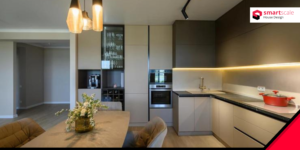
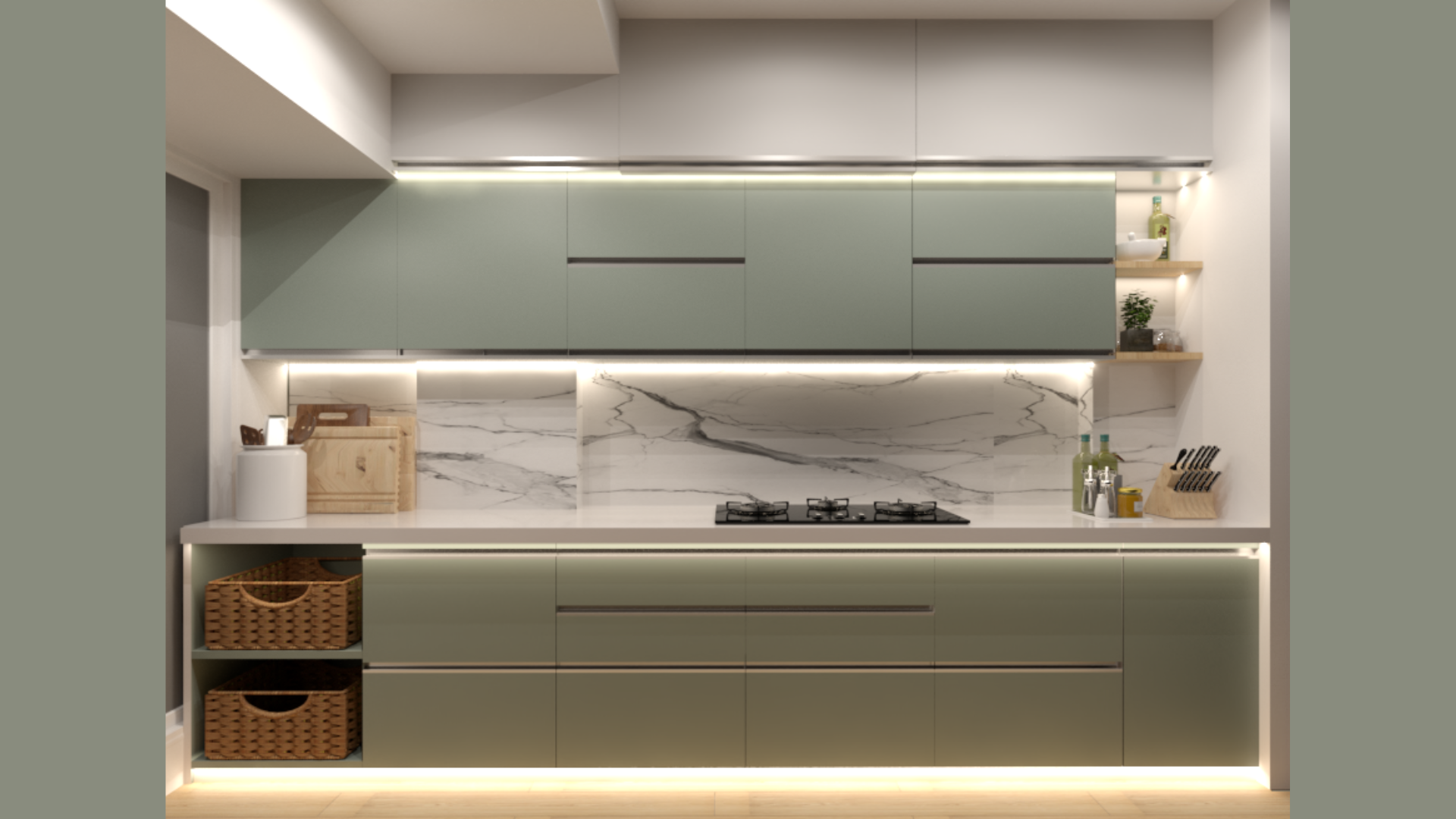
The stove direction as per Vastu is an important consideration when planning a new kitchen or renovating an existing one. In traditional Vastu Shastra, the kitchen is associated with the Agni (Fire) element, making the placement of the gas stove particularly important.
According to traditional Vastu principles, the South-East direction is considered the ideal location for a kitchen stove, while the person cooking is generally advised to face East. However, kitchen planning should also consider ventilation, safety, workflow, counter space, and the actual dimensions of the room.
Whether you are designing a new home or adjusting an existing kitchen, understanding the recommended gas stove direction as per Vastu can help you make a more informed layout decision.
Quick Answer: Which Direction Should a Stove Face According to Vastu?
According to traditional Vastu principles, the South-East direction is considered the best location for a stove because it is associated with the Fire or Agni element. Ideally, the person cooking should face East. The North-West is commonly considered an alternative location when South-East placement is not practical. North-East and South-West are generally considered less preferred for a stove.
Best Stove Direction as per Vastu
South-East Direction – The Ideal Placement
The South-East corner is traditionally associated with Agni, the Fire element. For this reason, placing the cooking stove in this zone is commonly recommended in Vastu-based kitchen planning.
If the kitchen layout permits, position the stove toward the South-East portion of the kitchen and arrange it so that the person cooking can face East.
However, Vastu should not be considered in isolation. The stove should also have sufficient clearance, proper ventilation, convenient access to the sink and preparation area, and a safe gas or electrical connection.
Why Is South-East Considered Ideal for the Stove?
Traditional Vastu associates different areas of a home with the five elements. The South-East is associated with Agni, making it the preferred zone for activities involving fire.
This is why the South-East is commonly recommended for:
- Gas stoves
- Induction cooktops
- Cooking appliances
- Other heat-generating kitchen equipment
For a modern kitchen, the objective should be to incorporate this traditional recommendation without compromising functionality.
Which Direction Should You Face While Cooking?
One common confusion is the difference between stove placement and the direction you face while cooking.
The stove can be positioned in the South-East part of the kitchen while the person cooking faces East.
| Aspect | Recommended Direction |
|---|---|
| Stove placement | South-East |
| Direction while cooking | East |
| Alternative stove location | North-West |
For example, simply having a South-East kitchen does not automatically mean the stove is correctly positioned. The exact location of the stove and the direction in which the cook faces should be considered separately.
Stove Placement in Different Kitchen Directions
Not every house has a kitchen in the ideal South-East zone. Existing homes often have fixed plumbing, electrical points, structural walls, and limited kitchen space.
Here is how traditional Vastu recommendations can be considered for different kitchen locations.
South-East Kitchen
A kitchen located in the South-East is generally considered highly suitable for Vastu-based planning.
If possible:
- Position the stove within the South-East portion.
- Arrange the cooktop so the person cooking faces East.
- Keep the sink and other water-related fixtures separated from the stove.
- Provide adequate ventilation and chimney space.
- Place storage according to the available wall and counter configuration.
North-West Kitchen
The North-West is commonly considered the next suitable alternative for a kitchen or stove when South-East placement is not possible.
For a North-West kitchen, the stove can be planned in an appropriate part of the kitchen while attempting to maintain an East-facing cooking position where the layout allows.
Do not sacrifice kitchen safety or usability simply to force an exact stove location.
North Kitchen
If your kitchen is located in the North, the stove can still be positioned thoughtfully within the available space.
Instead of relocating the entire kitchen, consider whether the stove can be placed toward a more suitable zone while maintaining:
- Safe gas connections
- Adequate ventilation
- Comfortable working space
- Separation between fire and water fixtures
West Kitchen
A West kitchen may require more careful planning to accommodate traditional Vastu preferences.
If possible, position the stove toward a suitable fire zone within the kitchen and arrange the counter so that cooking can be done while facing East.
The actual dimensions and shape of the kitchen should determine the final layout.
South Kitchen
A South kitchen does not necessarily mean the stove must be placed in the centre of the room.
If the room permits, the stove can be positioned toward a suitable section while maintaining good ventilation, safe clearances, and an efficient work triangle.
For an existing home, practical modifications are often more realistic than major structural changes.
Stove Direction According to Different House Facing
The facing direction of the house and the location of the stove are not the same thing.
A North-facing house does not automatically require a North-facing stove, and an East-facing house does not automatically mean the stove should be placed in the East.
The kitchen’s location, shape, doors, windows, plumbing, and counter arrangement all affect stove placement.
North Facing House Stove Direction
For a North-facing house, the stove can still be planned in the South-East portion of the kitchen if the floor plan permits.
The cook should ideally face East while preparing food.
East Facing House Stove Direction
An East-facing house can accommodate the traditional South-East stove placement particularly well if the kitchen layout is planned accordingly.
The stove can be positioned in the South-East area while allowing the cook to face East.
West Facing House Stove Direction
In a West-facing house, the kitchen location may vary depending on the overall floor plan.
If the kitchen is not in the South-East, try to position the stove within the most suitable available zone without compromising functionality.
South Facing House Stove Direction
A South-facing house can also have a Vastu-conscious kitchen.
The house’s entrance direction does not determine the stove direction. Instead, consider the kitchen’s location and internal zoning when positioning the cooking appliance.
Important: House facing and stove direction are different concepts. The kitchen layout matters more for stove placement than the main entrance direction.
Stove and Sink Position as per Vastu
In traditional Vastu, fire and water are considered different elements, so placing the stove and sink immediately next to each other is generally avoided where practical.
From a kitchen-design perspective, separating these zones is also useful because it reduces splashing near the cooking area and creates a more comfortable workflow.
Practical Stove and Sink Placement Tips
- Avoid placing the stove directly against the sink where possible.
- Maintain practical counter space between cooking and washing zones.
- Keep electrical appliances away from areas exposed to water.
- Provide sufficient space for food preparation.
- Position the chimney directly above the stove when possible.
- Ensure the gas connection is installed safely.
- Keep the sink and stove accessible without creating a congested work area.
If your kitchen is small, a completely separate platform may not be possible. In such cases, prioritize safety, functionality, and proper installation.
Directions to Avoid for Stove Placement
Traditional Vastu generally considers some locations less suitable for a cooking stove.
North-East
The North-East is traditionally associated with spiritual and water-related qualities and is generally not considered the preferred location for a fire source.
If the existing stove is already in this area, avoid making structural changes solely based on Vastu without first assessing the practicality and cost of relocation.
South-West
The South-West is also generally considered less preferred for placing the main cooking stove according to traditional Vastu principles.
If relocation is practical during a renovation, the kitchen layout can be redesigned. Otherwise, focus on safe installation and overall kitchen functionality.
Centre of the Kitchen
Placing the stove in the exact centre of the kitchen is generally not preferred in traditional Vastu planning.
It can also reduce circulation space and make the kitchen less efficient, particularly in smaller homes.
Vastu Tips for Gas Stove Placement
Here are practical tips for combining traditional Vastu principles with modern kitchen planning:
- Prefer the South-East zone for the stove whenever the layout permits.
- Face East while cooking if the kitchen configuration allows.
- Keep the stove and sink separated where practical.
- Maintain proper ventilation around the cooking area.
- Install a chimney or exhaust system appropriate for the kitchen.
- Keep the stove clean and functional rather than using damaged burners.
- Avoid excessive clutter around the cooking platform.
- Keep LPG cylinders and gas connections safely installed according to applicable safety requirements.
- Maintain sufficient counter space around the cooktop.
- Do not compromise safety or accessibility simply to follow a preferred Vastu position.
Gas Stove Direction for Modular Kitchen
Modern modular kitchens come in several configurations, and Vastu principles can often be incorporated without sacrificing the advantages of the layout.
L-Shaped Kitchen
An L-shaped kitchen provides flexibility because the stove can occupy one counter while the sink and preparation zone occupy another.
If possible, use the South-East portion for the stove and arrange the counter so the cook faces East.
U-Shaped Kitchen
A U-shaped kitchen provides substantial counter space but requires careful zoning.
Avoid placing the stove in a position that blocks movement between the three counters. If the South-East section works with the overall workflow, it can be used for the cooking zone.
Straight Kitchen
In a straight kitchen, every appliance shares one wall, so exact Vastu placement may be difficult.
Prioritize the most practical location for the stove while considering the preferred direction and safe distances between appliances.
Parallel Kitchen
A parallel kitchen provides two opposing counters. This can make it easier to separate the cooking and washing zones.
The stove can be placed on one counter and the sink on the opposite side, provided the arrangement remains comfortable and safe.
Island Kitchen
An island can be used for cooking, preparation, or seating.
If the stove is installed on an island, ensure there is adequate clearance around it and proper ventilation through an appropriately designed chimney.
Vastu considerations should be balanced with electrical, gas, ventilation, and structural requirements.
Stove Placement for Small Kitchens
Small kitchens require more flexibility because the available wall and counter space may not allow an ideal Vastu arrangement.
8×10 Kitchen
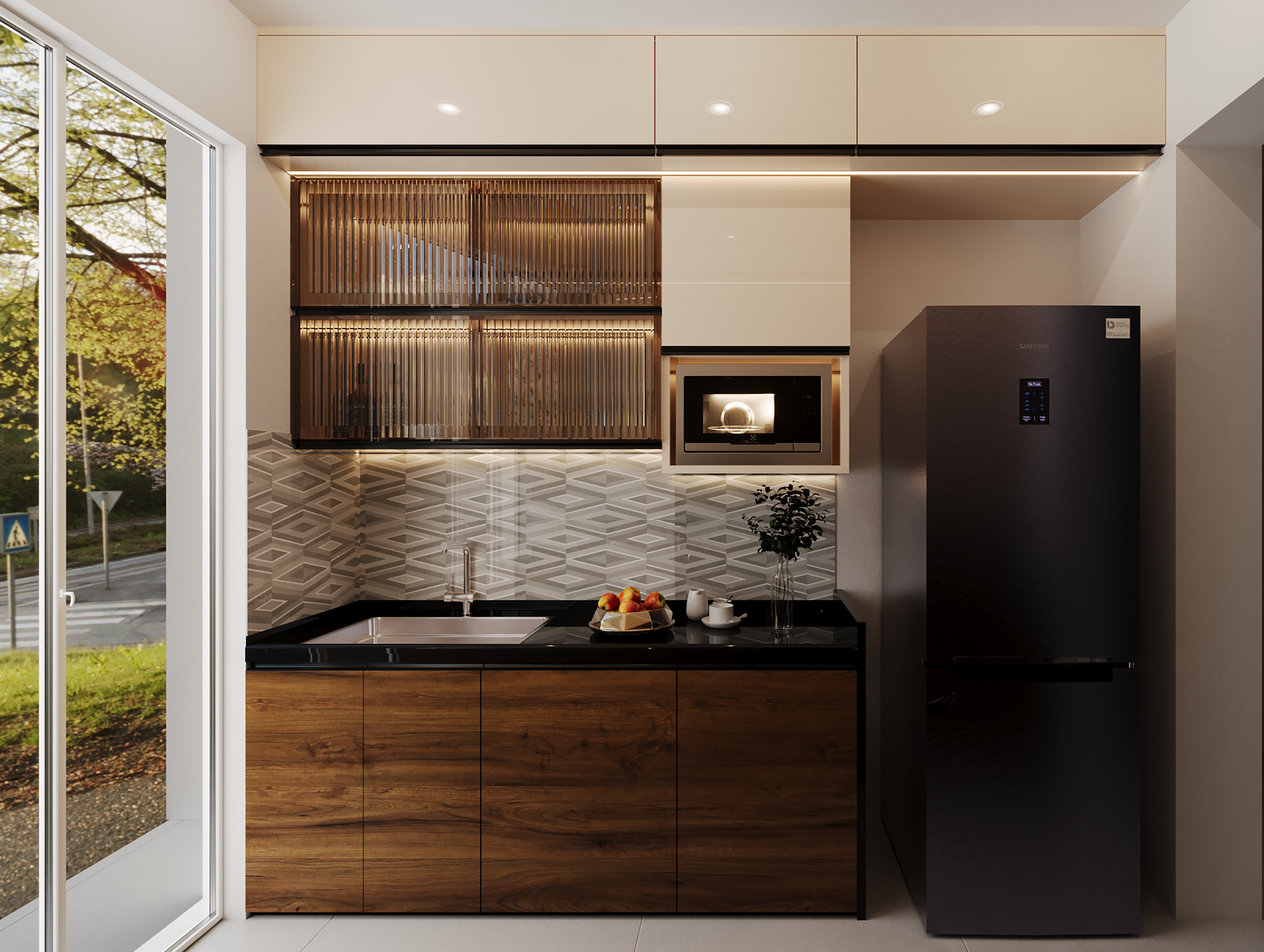
An 8×10 kitchen can often accommodate a compact L-shaped, straight, or parallel layout.
Try to reserve an appropriate zone for the stove while maintaining enough preparation and circulation space.
10×10 Kitchen
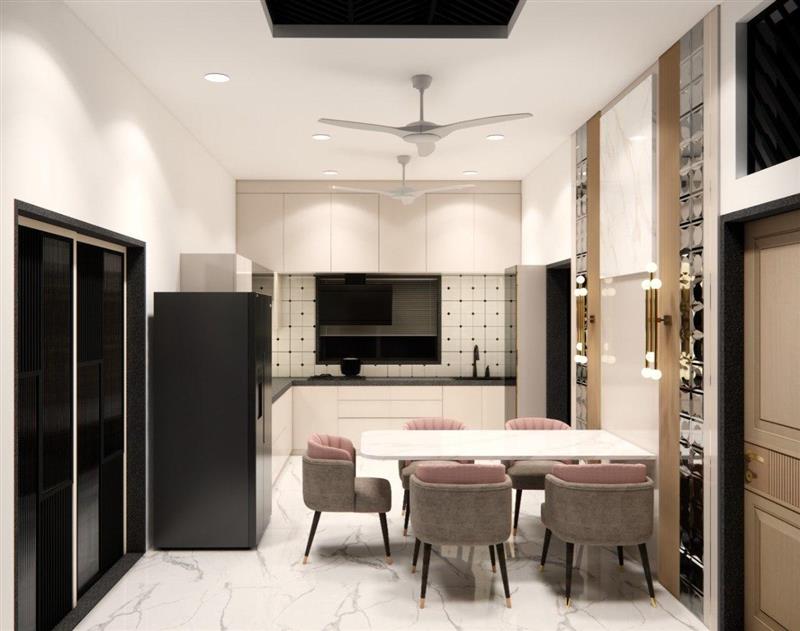
A 10×10 kitchen generally provides more flexibility for zoning the stove, sink, refrigerator, and preparation counter.
If possible, position the stove toward the South-East and arrange the worktop to allow East-facing cooking.
Apartment Kitchens

Apartment kitchens often have fixed plumbing and electrical points. In these cases, moving the stove may require significant modifications.
Before changing the layout, check:
- Gas pipeline location
- Electrical points
- Exhaust outlet
- Window placement
- Counter dimensions
- Structural restrictions
Row House Kitchens
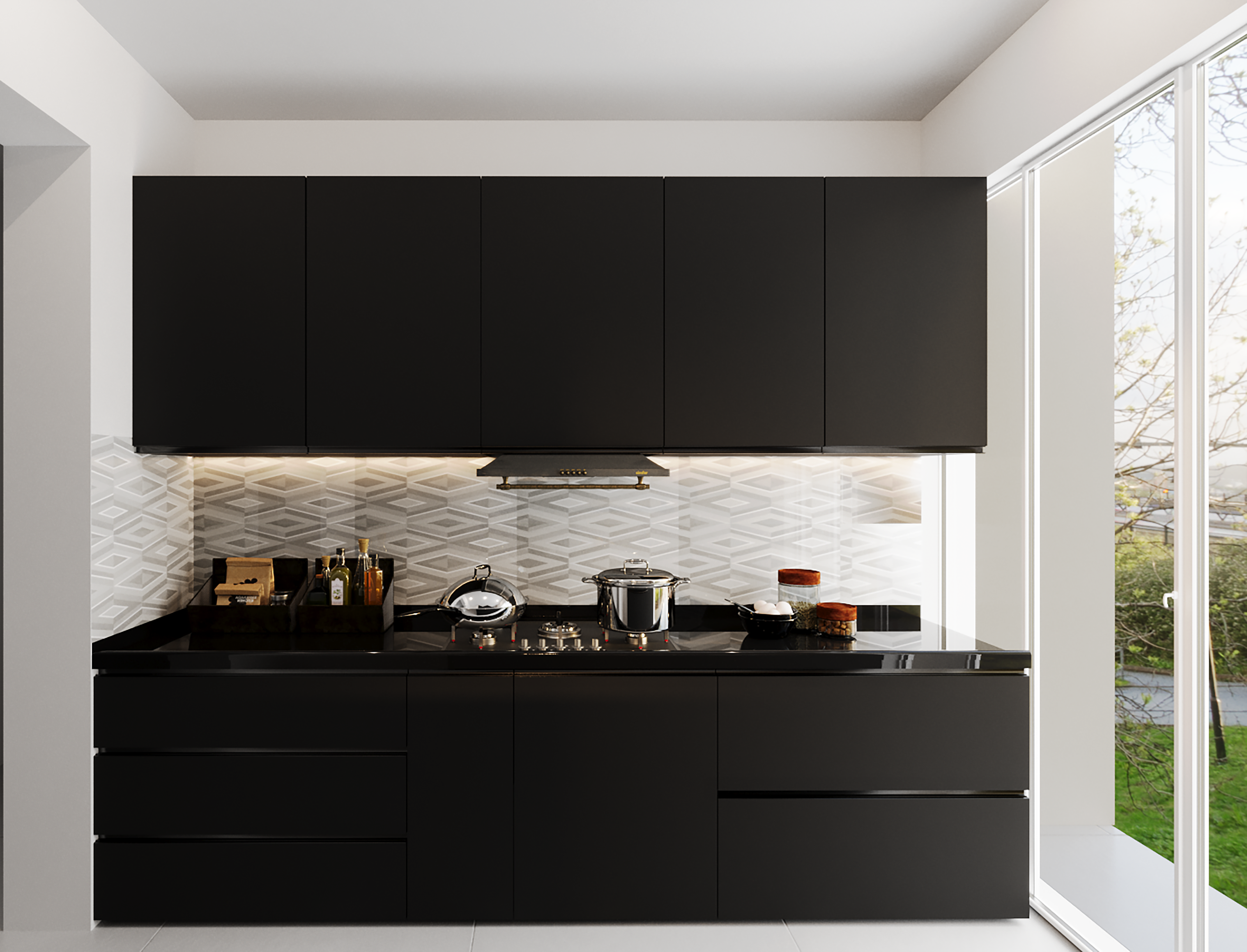
Narrow row-house kitchens may require compact layouts.
Here, the priority should be to create an efficient workflow between the refrigerator, sink, preparation counter, and stove while incorporating Vastu preferences where possible.
Common Stove Placement Mistakes to Avoid
Avoid these common problems when planning a kitchen:
- Placing the stove directly beside the sink
- Installing the stove under an unsuitable structural obstruction
- Ignoring ventilation requirements
- Creating insufficient space around the cooktop
- Positioning the stove where it blocks the main kitchen passage
- Placing the stove in the North-East when alternatives are practical
- Creating excessive clutter around the cooking area
- Installing gas or electrical connections without professional guidance
- Prioritizing Vastu so strongly that kitchen safety and usability are compromised
A good kitchen should work efficiently every day, not simply look correct on a floor plan.
Can You Change Stove Direction Without Rebuilding the Kitchen?
Yes. In many existing kitchens, you may be able to improve stove placement without completely rebuilding the kitchen.
Possible changes include:
Rotating the Stove Position
Sometimes simply changing the orientation of the cooktop can alter the direction in which the person cooks.
Changing the Countertop Layout
A modular kitchen can often be modified more easily than a masonry kitchen.
Relocating the Gas Connection
If the stove needs to move significantly, the gas line may need professional modification.
Redesigning the Modular Kitchen
Cabinets, drawers, countertops, and appliance positions can be redesigned together to create a more functional layout.
When Structural Changes Are Unnecessary
If the existing stove position is safe, functional, well ventilated, and difficult to change, a major renovation may not be worthwhile solely for Vastu reasons.
For new construction, however, stove placement can be considered during the initial floor-plan stage, making adjustments much easier.
Vastu-Compliant Kitchen Layout Example
Consider a kitchen where the goal is to combine traditional Vastu principles with modern functionality.
A possible arrangement could include:
- South-East: Stove or cooking zone
- East: Cooking position where possible
- North-East: Water-related zone, subject to the overall kitchen design
- South/West: Heavier storage and cabinets
- North/West: Refrigerator or other appliances depending on the layout
- Centre: Clear circulation and preparation space
The exact placement should always be adapted to the kitchen’s dimensions, windows, doors, plumbing, electrical points, and ventilation.
A Simple Planning Principle
Think of the kitchen as separate functional zones:
Storage → Preparation → Cooking → Washing
The best design is one where these zones work together naturally while accommodating Vastu preferences.
Conclusion
The stove direction as per Vastu is traditionally centered around the Fire element. The South-East is generally considered the ideal zone for the stove, while East-facing cooking is commonly recommended. The North-West can serve as an alternative when the preferred arrangement is not practical.
However, a Vastu-conscious kitchen should also be a safe, comfortable, and functional kitchen. Ventilation, gas safety, electrical planning, counter space, appliance clearances, plumbing, and movement should not be compromised simply to achieve a particular Vastu placement.
For a new home, the best time to plan the stove direction is during the floor-plan and kitchen-design stage. For an existing kitchen, smaller adjustments may be enough.
Planning a new house or kitchen? Explore professionally designed Vastu-friendly house plans and kitchen layouts from SmartScale House Design to find a layout that balances traditional preferences with practical modern living.
Plan Your Vastu-Friendly Home with SmartScale House Design
Planning a home where Vastu principles and modern functionality work together? SmartScale House Design helps homeowners create practical, well-planned house designs tailored to their plot size, requirements, and preferred Vastu considerations.
From Vastu-friendly house plans and 2D layouts to 3D front elevations and interior design, our team can help you plan your home with greater clarity before construction begins.
Looking for a house plan that fits your plot and lifestyle? Explore SmartScale House Design and get started with a professionally planned home design.
Frequently Asked Questions
Is South-East always the best stove direction as per Vastu?
According to traditional Vastu principles, South-East is generally considered the preferred location for the kitchen stove because this zone is associated with the Agni or Fire element. However, an existing home’s structural limitations may make this difficult. In such cases, practical kitchen functionality, safety, ventilation, and professional installation should remain important considerations.
Can a stove be placed in a North-West kitchen?
Yes. The North-West is commonly considered an alternative location for a kitchen or stove when South-East placement is not practical. The exact position should depend on the kitchen layout. If possible, arrange the stove so the person cooking can face East while maintaining sufficient counter space, ventilation, and separation from water fixtures.
Which direction should I face while cooking?
Traditional Vastu commonly recommends facing East while cooking. The recommendation relates to the direction the person faces rather than simply the direction in which the stove is located. Therefore, both the stove position and the cook’s orientation should be considered when designing the kitchen.
Can stove and sink be on the same platform?
A stove and sink can technically be installed on the same countertop, particularly in compact kitchens, but placing them immediately next to each other is generally avoided in traditional Vastu. From a practical perspective, some counter space between the washing and cooking areas also improves usability and reduces water splashing around the stove.
Is a west-facing kitchen good according to Vastu?
A West-facing or West-located kitchen can be planned according to the available floor layout. Traditional Vastu preferences may favor other zones for the kitchen and stove, but an existing West kitchen does not automatically require reconstruction. The stove should be positioned safely with good ventilation and efficient access to preparation and washing areas.
Where should the gas cylinder be placed as per Vastu?
Traditional Vastu recommendations vary regarding the exact gas-cylinder location. More importantly, LPG cylinders should be installed and stored according to applicable safety requirements, with adequate ventilation and easy access. Avoid placing a cylinder where it can be exposed to excessive heat, obstruct movement, or interfere with the safe operation of the stove.
Does house facing affect stove direction?
House facing and stove direction are separate considerations. A North-, South-, East-, or West-facing house can have different kitchen locations depending on its floor plan. The stove should be planned according to the kitchen’s internal arrangement, with South-East traditionally preferred and East-facing cooking commonly recommended.