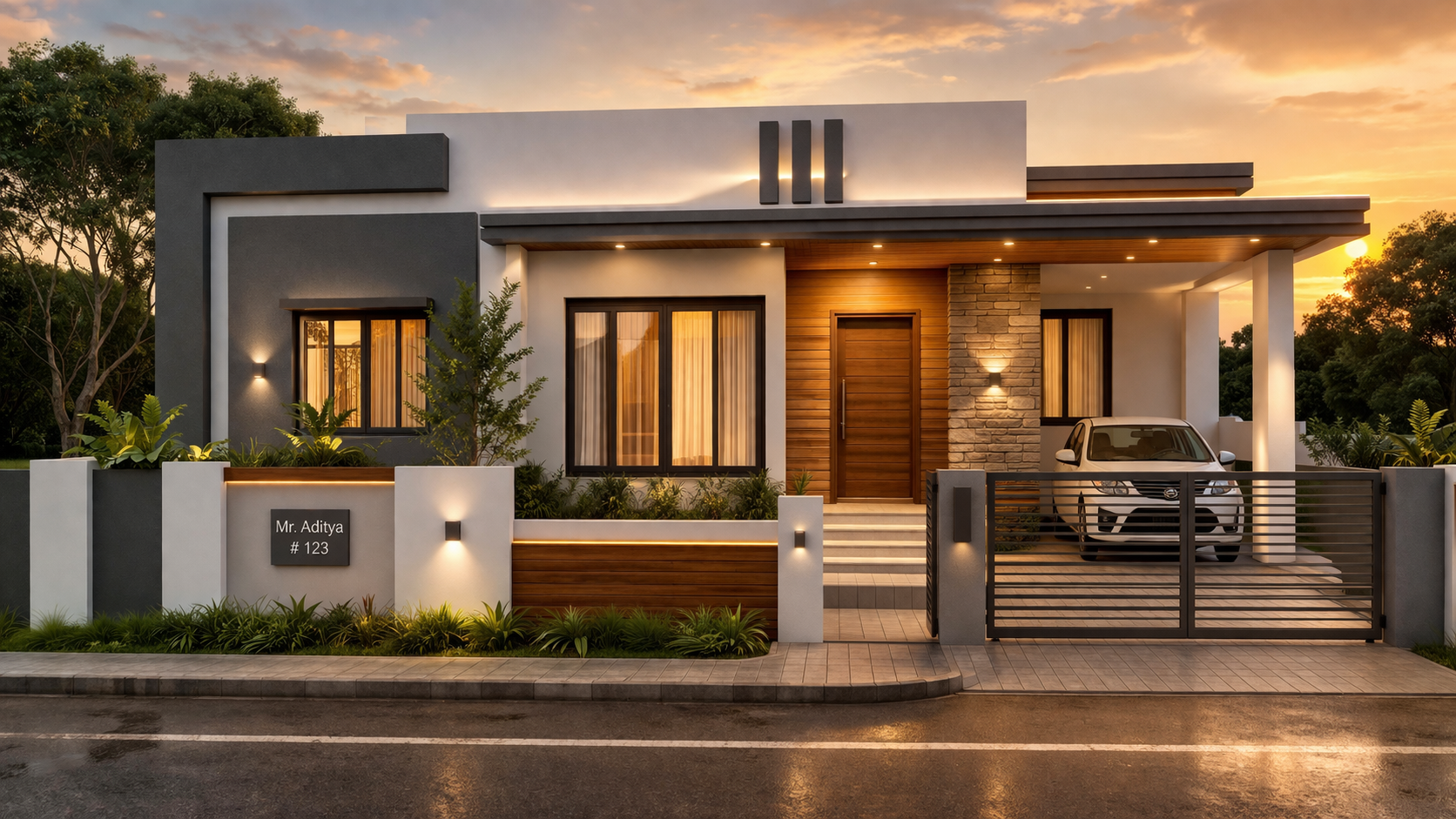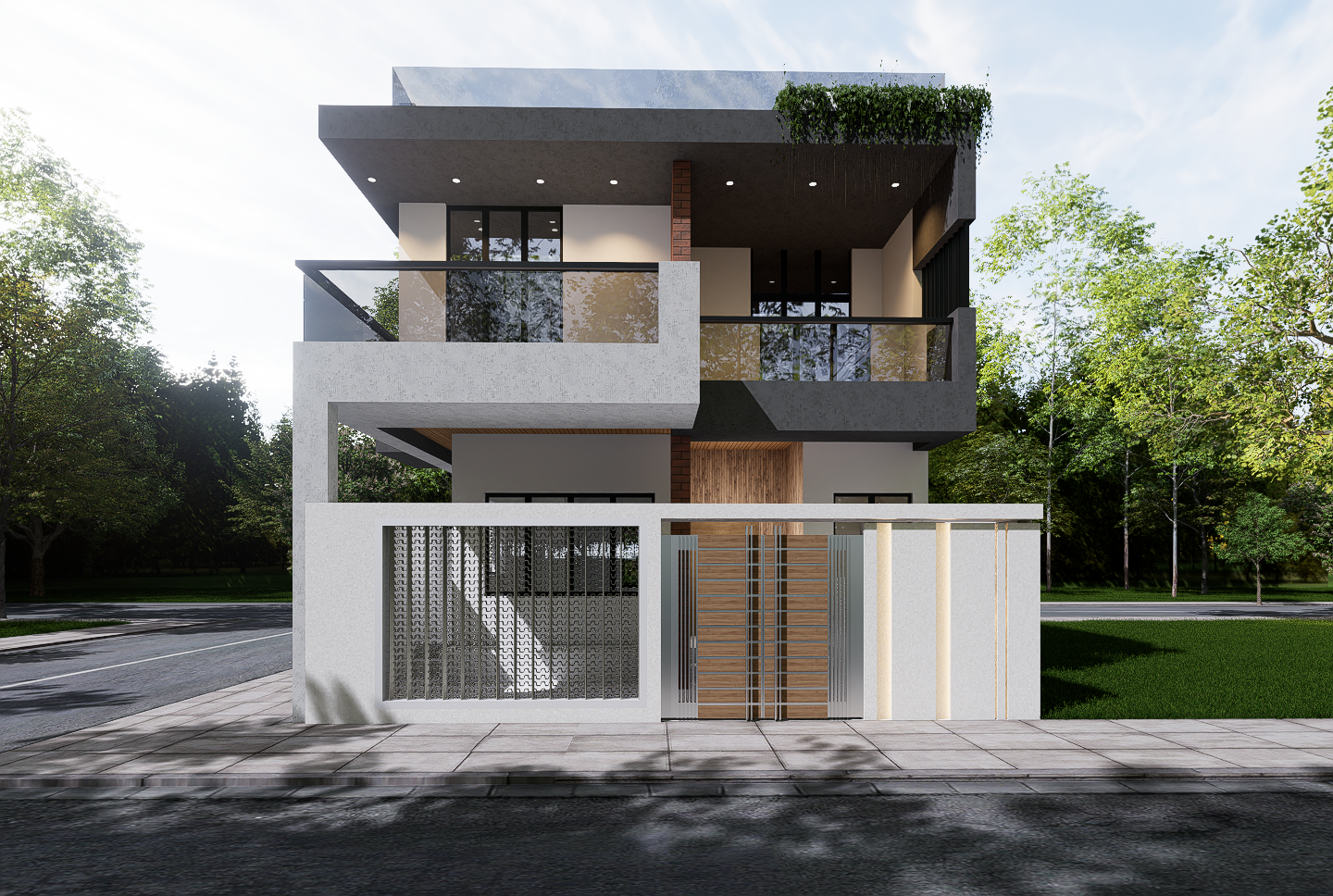
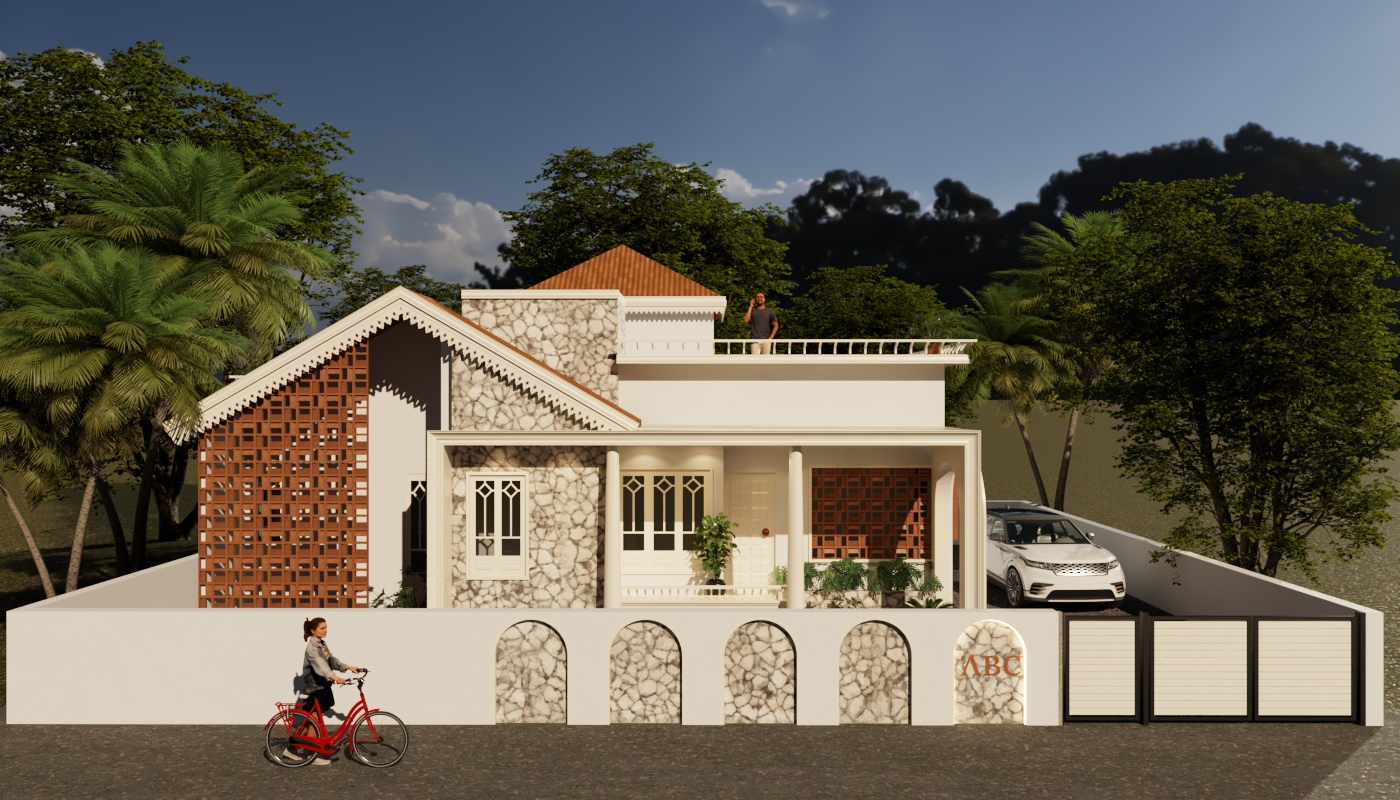
Planning your home exterior without a clear visual is one of the biggest mistakes you can make. A 3D elevation design solves this. It gives you a realistic, detailed view of exactly how your home will look from the outside before a single brick is laid.
In India, 3D elevation design has become a standard step in home construction, especially for urban plots, duplex homes, and budget builds. Whether you have a 20×30 plot or a spacious villa, a good elevation design shapes the entire look of your property.
This guide covers everything: design styles, plot-wise ideas, trending materials, colors, costs, and expert tips. Bookmark it for your next build or renovation.
Table of Contents
ToggleWhat is 3D Elevation Design in House Planning
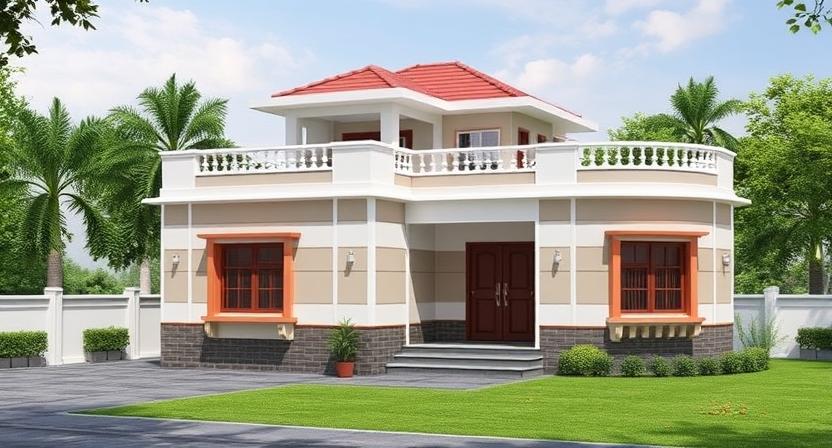
A 3D elevation design is a three-dimensional visual representation of your home’s exterior. Unlike a 2D floor plan that shows room layout from above, an elevation shows the front, side, and rear faces of the building with depth, texture, and material detail.
It gives you a photorealistic preview of your completed home including wall finishes, window styles, balcony design, door placement, and color schemes.
2D Plan vs 3D Elevation
A 2D plan tells you where rooms go. A 3D elevation tells you how the home looks. Both are necessary. But the elevation is what neighbors, guests, and passersby will see every day. It defines your home’s personality.
Real Benefits of 3D Elevation Design
- You see the final look before construction starts
- You can test multiple materials and color combinations without cost
- It improves communication with your contractor
- It helps avoid expensive design corrections mid-construction
- It makes it easier to get approvals and present to stakeholders
Why 3D Elevation Design Matters Before Construction
Most design regret happens because homeowners start construction without a clear exterior plan. They rely on rough sketches or verbal descriptions. Once the structure is up, changes become expensive.
A 3D elevation design locks in the look before work begins.
It also helps with budget planning. When you see the design in detail, you can decide early where to invest and where to save. Premium cladding on the main facade, simple paint on the sides, for example, is a smart call you can make only when you see the full picture.
Contractors also work more accurately when they have a proper elevation. Less guesswork means fewer errors and better output.
Types of 3D Elevation Designs Based on Style
Modern Elevation Design
Modern elevation design focuses on clean geometry, minimal ornamentation, and a bold use of materials. Expect flat roofs, horizontal lines, large windows, and a mix of concrete, glass, and steel.
Best for urban plots, gated communities, and contemporary lifestyle homes. Colors stay neutral: white, grey, charcoal, and black dominate.
Contemporary Elevation Design
Contemporary design blends modern aesthetics with unique shapes and textures. It does not follow strict rules. You might see curved walls, mixed cladding, asymmetric windows, and creative use of lighting.
It works well for homeowners who want something distinctive without going fully traditional.
Traditional Elevation Design
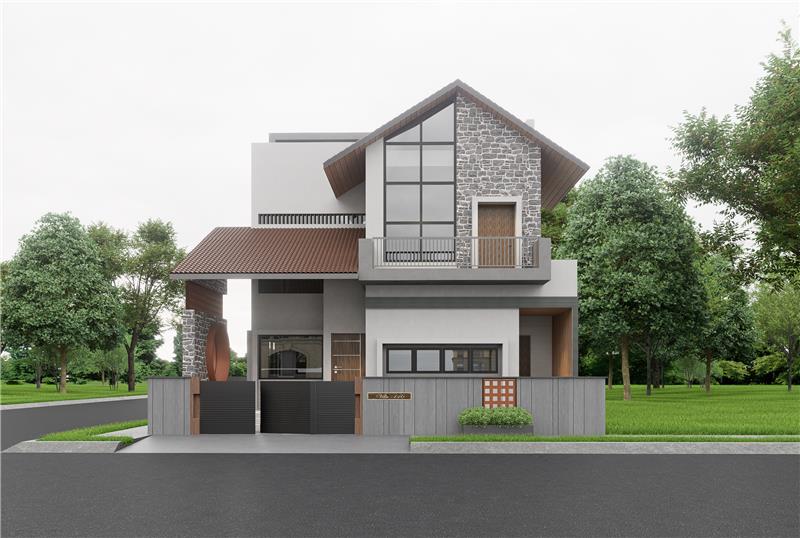
Traditional Indian elevation design brings in cultural elements. Jharokha windows, carved columns, sloping roofs, and arch details define this style.
It suits heritage towns, Rajasthani-inspired builds, and families who want a home that reflects cultural identity. Materials include exposed brick, terracotta, and natural stone.
Minimalist Elevation Design
Less is more. Minimalist elevation keeps the facade simple with neutral tones, clean lines, and very little surface decoration. It is one of the most cost-effective styles and suits smaller plots well.
White walls, flat roof, recessed lighting, and simple window frames are enough to make it look polished.
Luxury Elevation Design
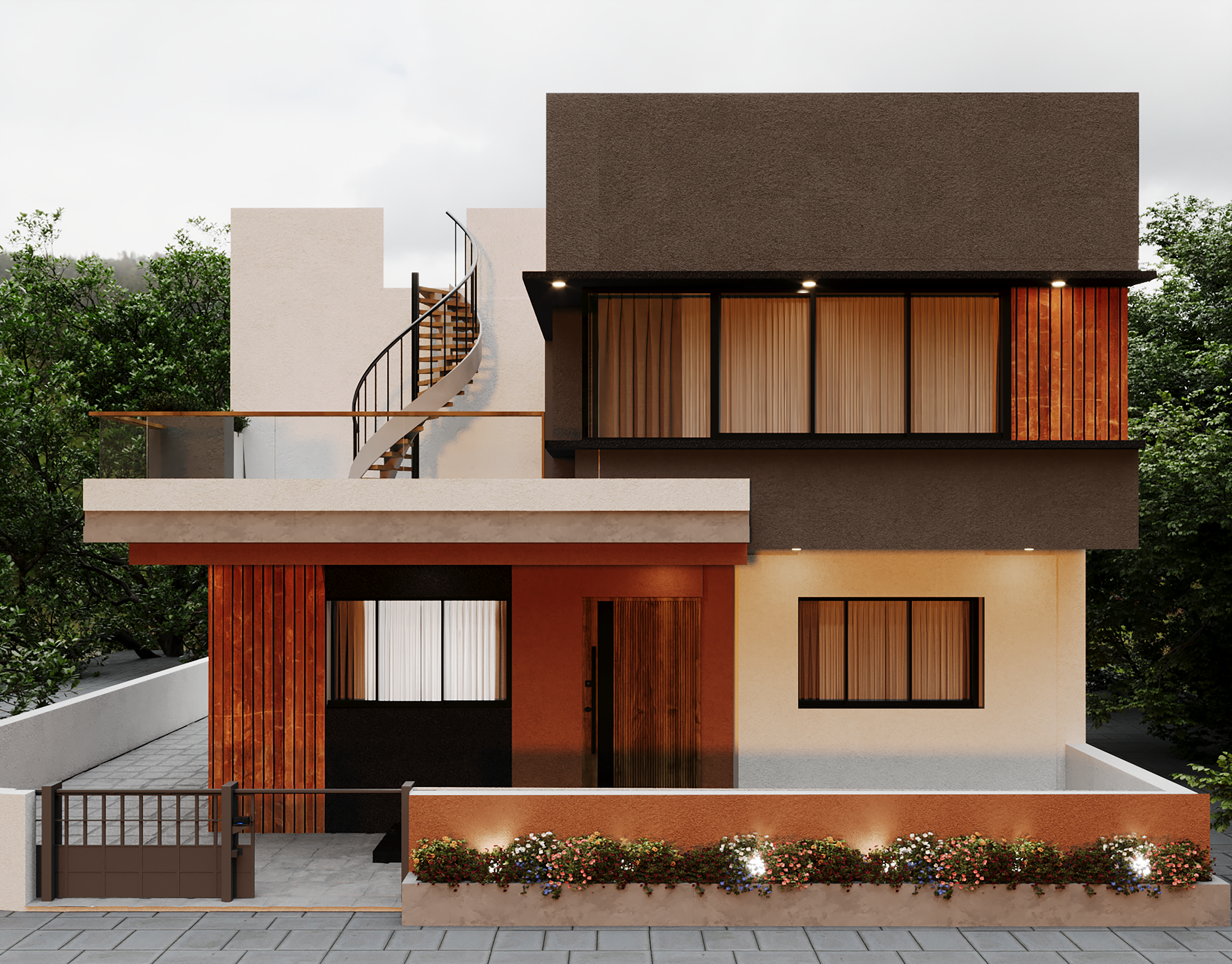
Luxury elevation uses premium materials like stone cladding, wooden panels, glass facades, and designer lighting. The entrance becomes a statement, often with double-height doors, water features, or landscaped pathways.
This style works for villas, bungalows, and high-end urban homes.
Elevation Design Ideas Based on House Type
Single Floor Elevation Ideas
Ground floor homes benefit from horizontal design elements. Wide windows, a strong parapet line, and a well-defined entrance create impact on a single level.
Budget-friendly tip: use textured paint on one accent wall instead of expensive cladding. Add a small porch canopy for shade and visual interest.
Double Floor and Duplex Elevation
Duplex elevations get interesting with layered balconies, glass railings, and contrasting materials on each floor. Use one dominant material for the ground floor and a complementary one for the upper level.
Popular combination: exposed concrete base with wooden panel accents on the first floor.
Small House Elevation Under 1000 Square Feet
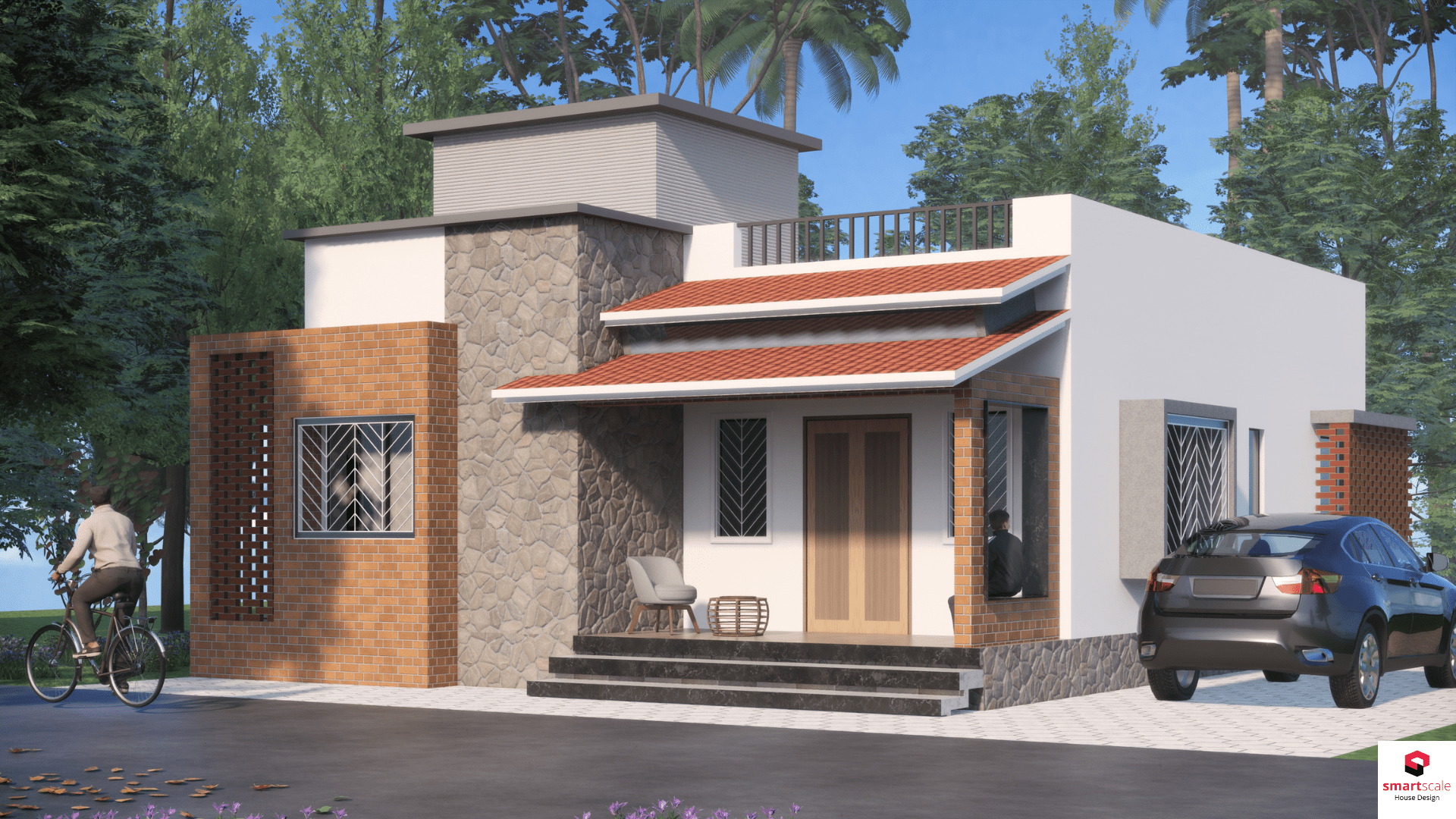
Small plots need vertical design tricks. Tall windows, vertical cladding lines, and a bold entrance door make the home look taller and more spacious.
Avoid heavy horizontal elements that widen the facade visually. Keep color light to expand the perception of space.
Villa Elevation Design Ideas
Villas have the advantage of space. Open facades, large glass panels, integrated landscape design, and dramatic entrance gates define villa elevations.
Wrap-around balconies, stepped rooflines, and courtyard entrances add character.
Rental House Elevation Design
Rental homes need a balance of attractive design and cost efficiency. Multiple entry points with clear visual separation, simple material use, and consistent color palette across units work best.
Avoid overly personal design choices since the home needs broad appeal.
Elevation Design Ideas Based on Plot Size
Designing your home elevation based on plot size is crucial because space directly impacts how creative, functional, and visually appealing your front design can be. Below are practical, real-world ideas for the most common plot sizes in India.
20×30 House Elevation Design (Compact & Smart Design)
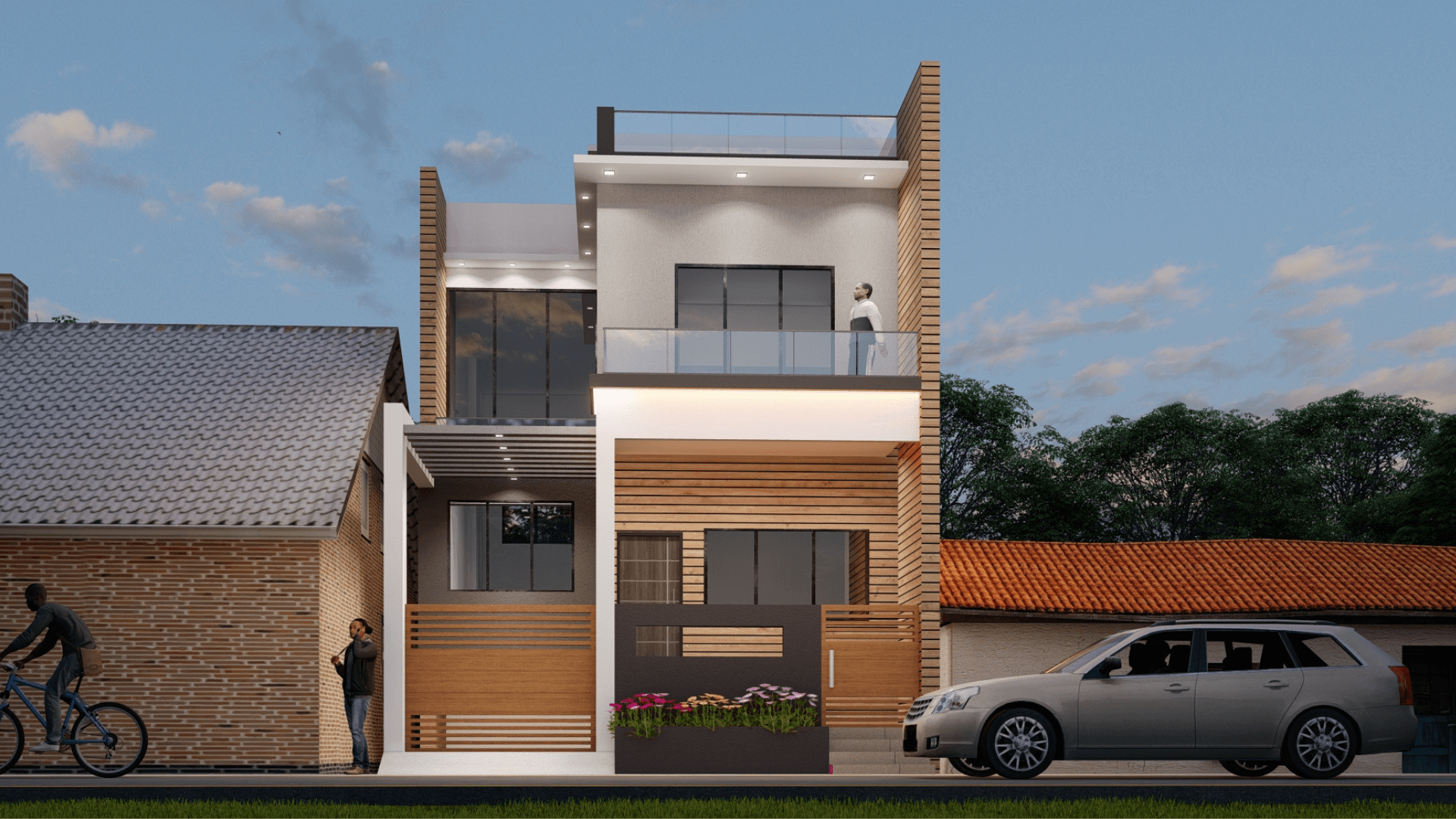
Key Design Approach
- Focus on vertical design elements to make the house look taller and more spacious
- Use minimalist box-style elevation to avoid clutter
- Keep the facade clean with 2–3 material combinations only
- Highlight the entrance with a small projection or frame
Balcony Placement
- A small front balcony on the first floor works best
- Use glass or simple metal railings to avoid a heavy look
- Avoid oversized balconies as they reduce usable interior space
Material Suggestions
- Exterior paint with texture finish (budget-friendly)
- Wooden finish HPL panels for highlights
- Glass railing for a modern touch
- Limited use of tiles or stone to avoid overdesign
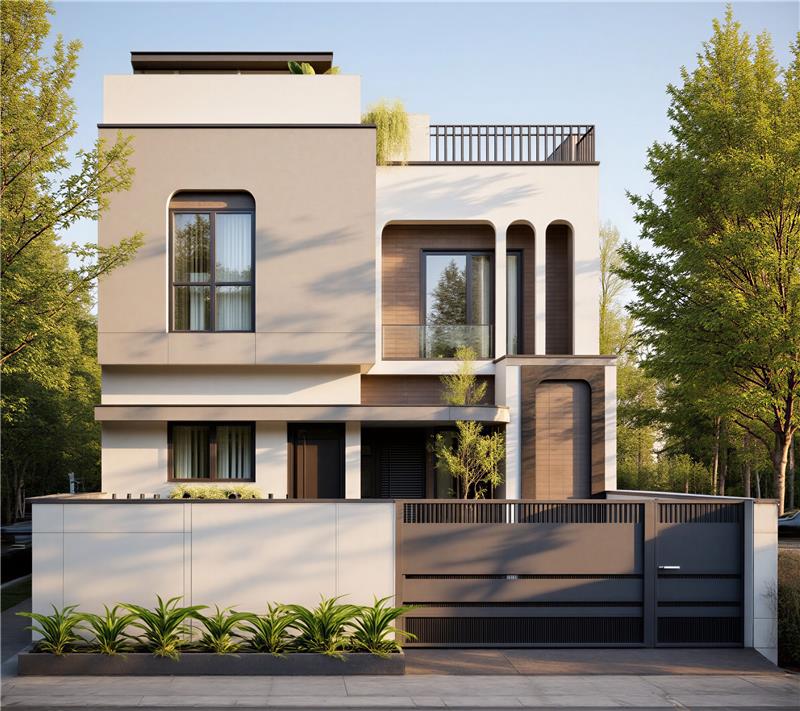
25×40 House Elevation Design (Balanced & Functional Design)
Key Design Approach
- Perfect for a balanced modern elevation
- Use layered design (boxes and projections) to create depth
- Combine both horizontal and vertical elements
- Add a feature wall or texture panel for visual interest
Balcony Placement
- Medium-sized front balcony or corner balcony
- Can include a semi-covered balcony with pergola design
- Glass + metal combination railings work well
Material Suggestions
- Combination of paint + tiles + wooden panels
- Stone cladding for a premium front section
- Textured paint for side walls
- Aluminum or glass for railings
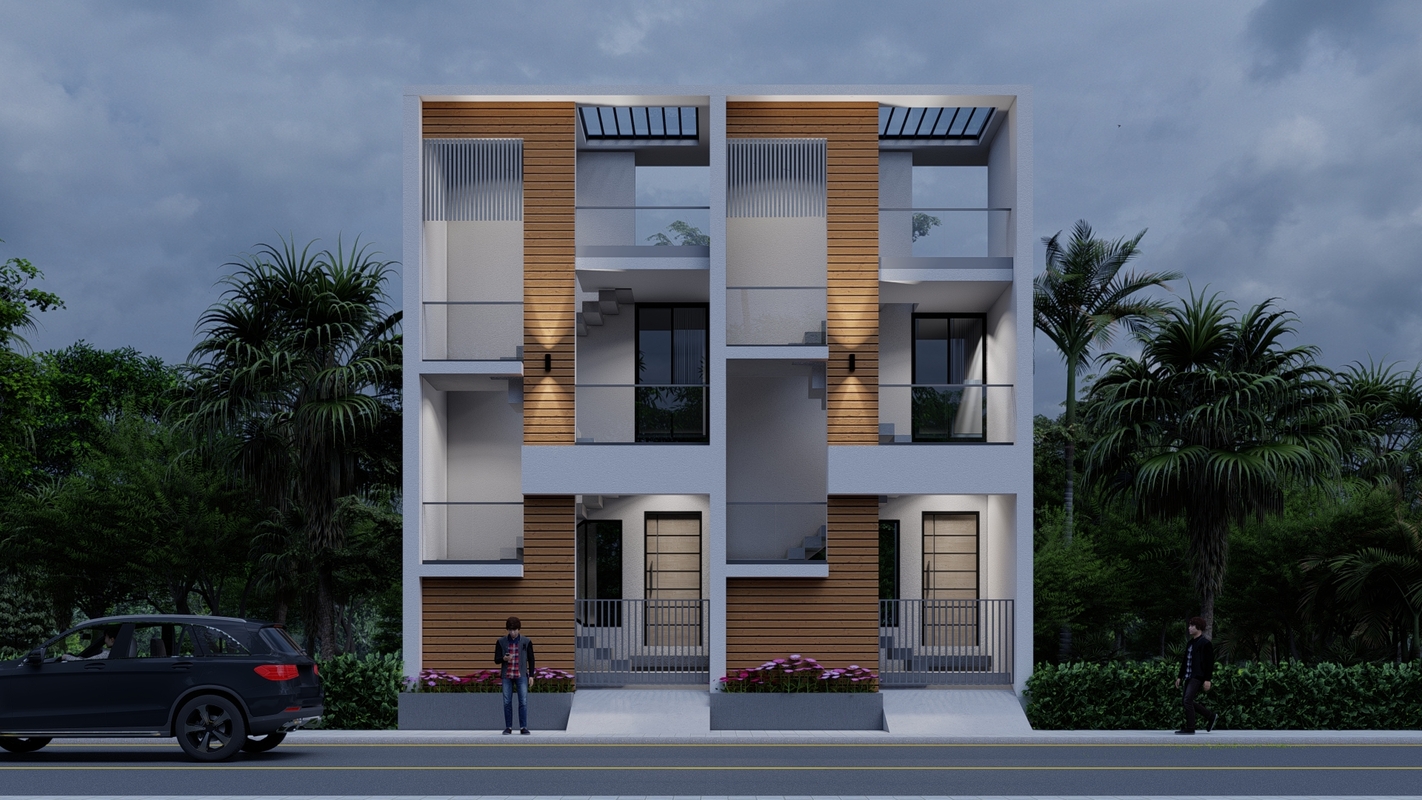
30×50 House Elevation Design (Modern Spacious Design)
Key Design Approach
- Allows bold and creative elevation concepts
- Use asymmetrical design with multiple levels and projections
- Add double-height elements for a luxury feel
- Space for car parking + landscape integration
Balcony Placement
- Larger front-facing balcony or L-shaped balcony
- Can include multiple balconies (front + side)
- Option for glass railing + planter integration
Material Suggestions
- Stone cladding + wood + glass combination
- High-quality exterior paints
- Decorative metal panels
- LED lighting strips for night elevation
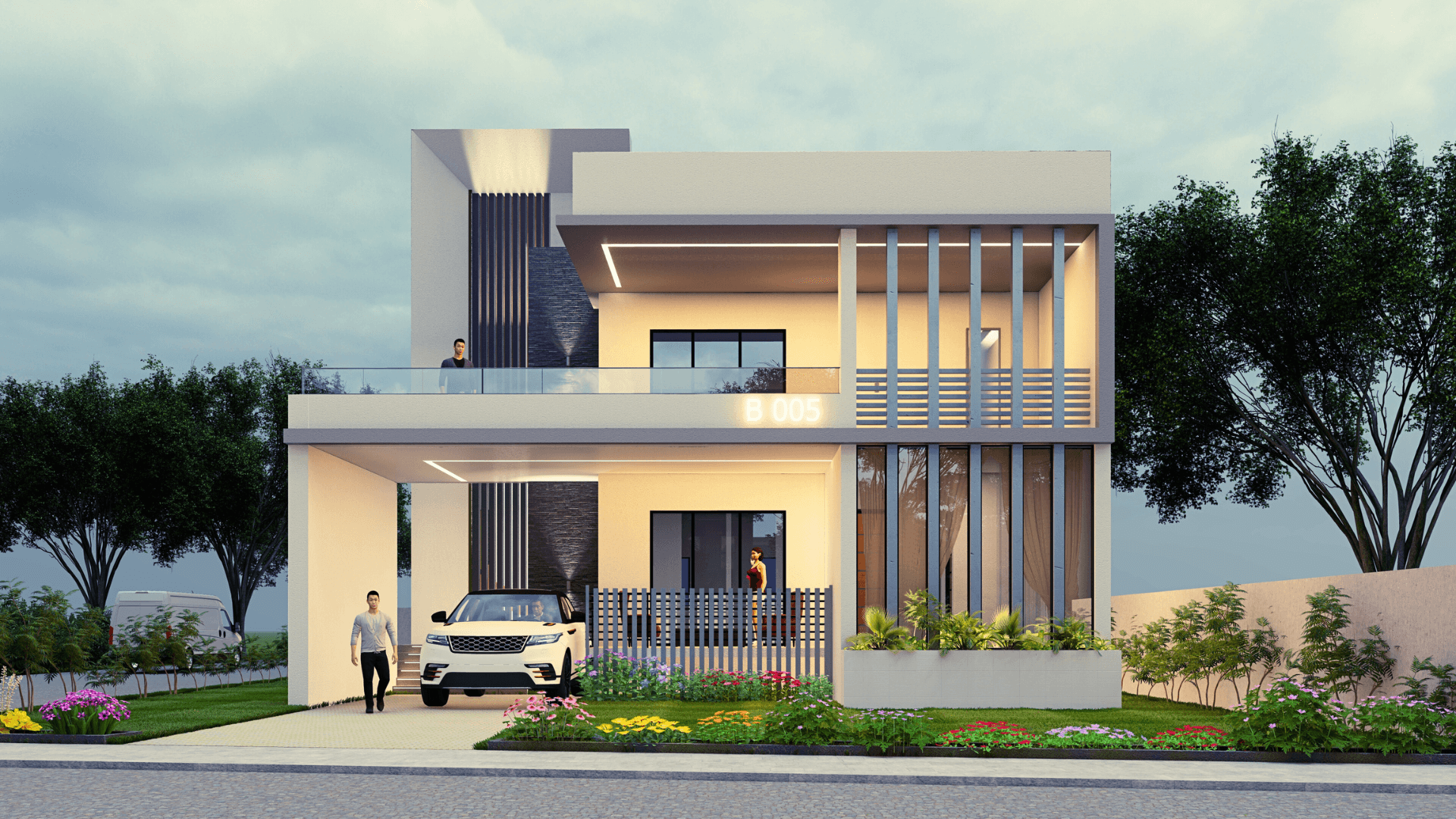
40×60 House Elevation Design (Luxury & Villa-Style Design)
Key Design Approach
- Ideal for luxury villa-style elevation
- Focus on symmetry, grand entrance, and open facade
- Include large windows, columns, and landscaping
- Use layered volumes and premium design elements
Balcony Placement
- Wide balconies with seating space
- Multiple balconies (front, side, and private balconies)
- Terrace garden or sit-out areas can be included
Material Suggestions
- Premium materials like natural stone, wood, and glass facade
- Metal and CNC-cut panels for design accents
- High-end exterior textures and finishes
- Integrated lighting for a dramatic night look
Front Elevation Design Based on Facing Direction and Vastu
East Facing House Elevation
East facing homes receive morning sunlight directly at the entrance. Use large windows and glass panels on the east facade to maximize natural light. The entrance porch should be open and welcoming.
Avoid heavy shading structures on the east side that block the benefit of morning sun.
West Facing Elevation
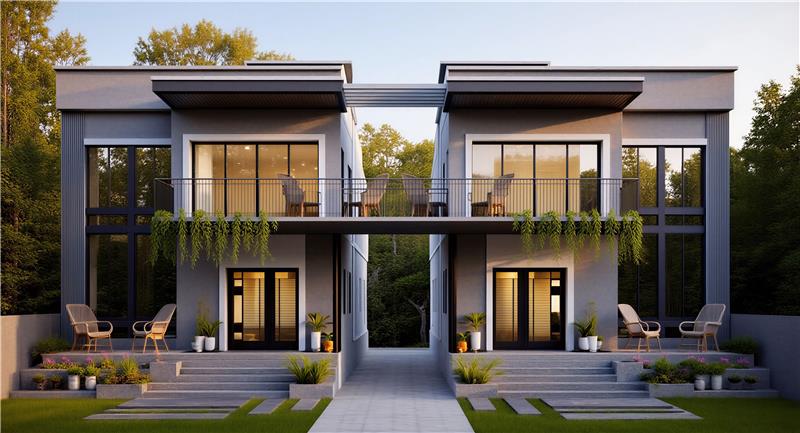
West facing homes need smart heat control. Use deep balconies, pergolas, or extended sunshades (chajjas) on the west facade to reduce afternoon heat gain.
Vertical fins and textured walls also help diffuse direct western sun without blocking airflow.
North Facing Elevation
North facing homes receive indirect, consistent light throughout the day. This works well for large windows and glass elements since there is no direct sun glare.
Open design with a clean, symmetric facade suits north facing plots well.
South Facing Elevation
South facing homes need ventilation-focused design. Cross-ventilation openings, jali screens, and strategic tree placement help manage heat. The entrance can be positioned on the longer side for better Vastu compliance.
Latest Trends in Elevation Design in India
Box Style Elevation
Box-style homes with sharp geometric lines, flat roofs, and minimal surface detail are extremely popular in urban India. The clean, industrial look suits compact plots and modern neighborhoods.
Floating Structures
Cantilevered volumes that appear to float above the ground level add drama to a facade. This technique is common in architect-designed bungalows and premium residences.
Mixed Materials
Combining wood, concrete, and glass in a single elevation creates visual richness. Warm wood panels beside cool grey concrete is one of the most requested looks in 2026.
Neutral Color Palettes
Off-white, warm beige, greige, and muted terracotta have replaced harsh whites and loud colors. Neutral tones age better and photograph well.
Smart Lighting Integration
Recessed LED strips along ledges, up-lit trees, and backlit panels on name plates and porch ceilings add a premium nighttime look without high cost.
Green Elevation and Vertical Gardens
Planter boxes on balconies, vertical garden walls, and climbing plant trellises are gaining popularity. They improve aesthetics and also help cool the building surface.
Best Materials for Stunning Elevation Designs
Stone Cladding
Adds texture, warmth, and a premium feel. Works on accent walls and entrance pillars. Moderate to high cost but highly durable.
Wooden Panels
Natural wood or wood-finish composite panels add warmth and contemporary appeal. Best used on balcony fronts, entrance zones, and upper floor accents. Requires maintenance if natural wood is used.
Glass Facade
Large glass panels maximize light and create a modern aesthetic. Best for ground floors, staircase walls, and entrance lobbies in large homes.
Tiles and Textured Finishes
Exterior-grade tiles and textured spray finishes offer a wide range of looks at lower cost. Ideal for budget-conscious builds that want material variety.
Metal Elements
Powder-coated metal grilles, laser-cut screens, and aluminium cladding panels add an industrial or contemporary touch. Lightweight and relatively affordable.
Best Color Combinations for House Elevation
White and Grey
The most popular combination for modern homes. Clean, contemporary, and timeless. Works for any plot size.
Beige and Brown
Creates a warm, earthy feel. Popular for traditional and contemporary style homes. Pairs well with stone cladding and wooden accents.
Black and Wood Finish
A luxury combination that photographs beautifully. Bold and distinctive. Best for premium urban homes with good natural light.
Pastel Tones
Soft sage green, dusty pink, or pale blue are emerging as popular choices for minimalist and compact homes. These tones feel fresh without being loud.
Budget-Friendly Elevation Design Tips
Use quality exterior paint with one textured accent wall instead of full cladding. This alone creates visual impact at a fraction of the cost.
Focus your material budget on the main entrance zone. The rest of the facade can stay simple.
Good lighting does more for an elevation than expensive materials. LED strips and up-lighting cost very little and transform the nighttime look.
Avoid overdesigning. Every extra projection, curve, or decorative element adds to construction cost. Simple, proportionate design always looks better.
Use a balcony thoughtfully. A well-placed balcony with clean railings adds design value to a small home without significant cost.
Common Mistakes to Avoid in Elevation Design
Overcomplicating the Design
More elements do not mean better design. Cluttered facades with too many shapes, colors, and materials look chaotic. Restraint is a design strength.
Ignoring Climate and Orientation
A design that works in Shimla will not work in Chennai. Always factor in sunlight, rainfall, and wind direction. Your elevation should respond to your climate.
Poor Color Combinations
Mismatched colors are the most common and visible mistake. Always test colors on a small patch and view them at different times of day before finalizing.
No Lighting Plan
Most homeowners think about lighting as an afterthought. Plan it as part of the elevation design. Structural provisions for lighting fixtures are far cheaper than adding them post-construction.
Not Matching Interior and Exterior
Your elevation should hint at what is inside. A mismatch between a rustic traditional exterior and an ultra-modern interior creates a jarring experience.
Elevation Design Cost in India
Basic 3D elevation design from a freelancer or online platform starts from around Rs. 3,000 to Rs. 10,000 depending on complexity and revisions.
Mid-level design from an experienced architect or design studio ranges from Rs. 15,000 to Rs. 40,000. This includes multiple views, material suggestions, and revisions.
Premium and luxury elevation design with detailed visualization, material boards, and lighting plans can go from Rs. 50,000 upwards depending on plot size and designer expertise.
Factors That Affect Cost
Plot size and number of floors directly impact the scope of work. More complex designs with curves, mixed materials, and multiple levels cost more. Designer experience and location also play a role.
How to Choose the Right Elevation Design
Match the style to your budget first. A well-executed simple design beats an ambitious design done poorly.
Consider your plot size. Every style works best within certain dimensions. A grand villa elevation on a small plot will look forced.
Think about your lifestyle. If you travel often or prefer low maintenance, avoid designs with lots of exposed natural materials that need regular upkeep.
Plan for future expansion. If you intend to add a floor later, make sure the current elevation design has visual continuity built in.
Why Hiring Experts Makes a Difference
Professional designers bring accurate proportions to the design. A small mistake in scale on a computer screen becomes a very visible problem on a full-size building.
Experts guide material selection based on local availability, budget, and climate. They know what works in your city.
A good elevation design from a professional saves money. Mistakes caught at the design stage cost nothing to fix. Mistakes caught during construction cost a lot.
Custom design means your home looks nothing like your neighbor’s. Professionals bring original ideas tailored to your plot, orientation, and taste.
Get Your Custom Elevation Design with SmartScale House Design
SmartScale House Design creates custom 3D elevation designs tailored to your exact plot size, facing direction, and budget. Every design is Vastu-compliant and built with realistic visualization so you know exactly what to expect before construction begins.
From simple front elevations for compact plots to luxury villa designs with landscape integration, the team handles every scale and style.
Get your custom 3D elevation design with realistic visuals from SmartScale House Design today, designed perfectly for your plot, budget, and lifestyle.
Conclusion
A 3D elevation design is not a luxury step in home building. It is a practical, money-saving, decision-simplifying tool that every homeowner should use before starting construction.
Plan your exterior with the same seriousness as your floor plan. Choose materials, colors, and proportions with professional input. Avoid the common mistakes. And always visualize before you build.
Your home’s front face is the first thing the world sees. Make it count.