A north-east-facing house is considered auspicious in many Vastu Shastra traditions because the north-east direction, known as Ishanya, is associated with spirituality, clarity, and positive energy. Karka (Cancer), Meen (Pisces), and Vrishchika (Scorpio) are mentioned as suitable Rashis in some modern Vastu guides, but there is no universally accepted rule that links these Rashis exclusively to north-east-facing homes. People of any Rashi can live in a north-east-facing house.
If you are planning to buy a plot or build a home, it is important to understand the difference between traditional Vastu recommendations and individual astrological advice. The direction of the house, the main entrance, room placement, plot dimensions, and your family’s requirements all influence the final design.
This guide explains which Rashis are sometimes associated with north-east-facing houses, what Vastu traditionally recommends, how to plan the main entrance and rooms, and what to consider before finalizing your house plan.
These associations should be understood as traditional interpretations rather than established rules. Different sources may offer different recommendations, so it is better not to select or reject a property solely because of your Rashi.
If you want to evaluate a north-east-facing property according to Vastu, consider the complete layout and the precise location of the entrance. If personal astrology is important to your decision, consult a practitioner who can explain the basis of their recommendation rather than relying on a general online list.
For homeowners, the most useful approach is to combine personal beliefs with a practical assessment of the plot, floor plan, budget, and long-term living requirements.
These positions are traditional preferences rather than universal architectural requirements. A small plot may not allow every room to occupy its preferred zone, and structural or regulatory requirements must take priority where they conflict with a traditional recommendation.
Table of Contents
ToggleNorth-East Facing House Good for Which Rashi?
According to some contemporary Vastu and astrology guides, Karka (Cancer), Meen (Pisces), and Vrishchika (Scorpio) are considered suitable Rashis for a north-east-facing house. However, these associations vary between sources and should not be treated as a fixed rule from Vastu Shastra. The north-east direction is called Ishanya in traditional Vastu. It is commonly associated with spiritual activities, prayer, clarity, and a peaceful home environment. Some practitioners consider this direction favourable when evaluating a residential property, while others may also consider the homeowner’s birth chart, the entrance location, and the overall layout. It is important to understand that a house’s facing direction does not determine its suitability for an individual based on Rashi alone. If you follow Vastu or astrology, you may consult a qualified practitioner for guidance that reflects your preferred tradition. For practical homebuilding decisions, also evaluate the plot dimensions, road access, natural light, ventilation, drainage, structural design, and local building regulations. These factors matter regardless of your zodiac sign.Is a North-East Facing House Good as per Vastu?
A north-east-facing house is generally considered favourable in many Vastu traditions. The north-east corner, or Ishanya zone, is traditionally associated with spiritual activities and is often preferred for a pooja room or meditation space. Homeowners who follow Vastu may choose this orientation because of its traditional associations with peace, clarity, prosperity, and a positive home environment. However, the direction alone does not make every house plan Vastu-compliant. The location of the main entrance, room arrangement, staircase, kitchen, water storage, and other features may also be considered. There is also an important distinction between traditional beliefs and established scientific evidence. Vastu recommendations reflect a cultural and architectural tradition, but claims that a particular house direction guarantees wealth, health, or happiness are not scientifically established. From a practical perspective, a north-east-facing house should be planned according to the site’s actual conditions. The direction of sunlight, neighbouring buildings, road position, local climate, and ventilation requirements can influence comfort and energy use. A well-designed house combines the homeowner’s preferences with functional planning, structural safety, and applicable building regulations.Which Rashi Is Considered Most Suitable for a North-East Facing House?
Some modern Vastu guides associate Karka, Meen, and Vrishchika Rashis with north-east-facing homes. However, the recommendations are not consistent across all practitioners, and there is no single authoritative list that establishes which Rashi is the best match. The following table summarizes these commonly cited associations.| Rashi | English zodiac name | Traditional guidance |
|---|---|---|
| Karka | Cancer | Mentioned as suitable in some contemporary Vastu guides |
| Meen | Pisces | Mentioned as suitable in some contemporary Vastu guides |
| Vrishchika | Scorpio | Mentioned as suitable in some contemporary Vastu guides |
| Other Rashis | Depends on the sign | Individual suitability may be assessed according to the practitioner’s chosen tradition |
Benefits of a North-East Facing House According to Vastu
North-east-facing houses are often preferred by people who follow Vastu because of the traditional meaning associated with the Ishanya direction. The benefits described in Vastu literature are cultural and spiritual interpretations, not guaranteed outcomes. Commonly discussed benefits include the following.1. Association with peace and spirituality
The north-east zone is traditionally considered suitable for prayer, meditation, and other spiritual activities. Homeowners who value these practices may prefer a layout that provides a quiet and comfortable space for them.2. Traditional association with prosperity
Some Vastu practitioners associate the north-east direction with prosperity and positive influences. These are traditional beliefs, however, and the direction of a house cannot guarantee financial success.3. Potential for a comfortable, well-lit layout
Depending on the plot, climate, building design, and surrounding structures, a north-east-facing home may allow useful daylight into certain parts of the house. Actual sunlight depends on window placement, shading, orientation, and nearby buildings, so it should be assessed during design.4. Flexibility in house planning
A north-east-facing plot can accommodate different architectural styles and floor plans when its dimensions and local requirements permit. A customized layout can help organize bedrooms, living areas, kitchen spaces, circulation, and outdoor areas around the family’s needs. The important point is that the benefits associated with Vastu should not replace practical design decisions. Good ventilation, drainage, privacy, structural safety, and efficient use of space remain essential.North-East Facing House Main Door Vastu Rules
The main entrance is an important consideration in traditional Vastu. However, a north-east-facing house and a house with its main door specifically located in the north-east corner are not necessarily the same thing. A house may be described as north-east-facing because of its orientation or approach, while the exact position of its entrance depends on the plot and building layout. This distinction matters when assessing the property according to Vastu. Consider the following points before finalizing the entrance.Identify the actual facing direction
Check the direction of the plot and the main approach using a reliable site plan and compass reading. Do not assume that the house faces north-east simply because the road runs along the north or east side.Assess the precise entrance location
Some Vastu practitioners divide each side of a house into smaller sections and recommend particular entrance positions. Their interpretations may differ, so avoid applying a general rule without checking the actual site and the tradition being followed.Plan access and circulation
The entrance should provide convenient access from the road and connect naturally to the living areas. It should also account for privacy, security, movement, and any required parking space.Consider corner plots carefully
A corner plot may have roads on two sides, making orientation and entrance decisions more complex. The best arrangement depends on the plot dimensions, road access, setbacks, and local building rules. A site-specific assessment is more useful than choosing a door position from a generic diagram. The entrance should reflect the homeowner’s Vastu preferences while meeting practical architectural and regulatory requirements.Best Room Placement for a North-East Facing House Plan
When planning a north-east-facing house, homeowners often want to know where to place the pooja room, kitchen, master bedroom, living room, staircase, and water storage. Traditional Vastu offers general preferences for these spaces. The final arrangement, however, should also account for plot size, structural requirements, plumbing, ventilation, privacy, and local building regulations.| Room or feature | Common Vastu preference | Practical planning consideration |
|---|---|---|
| Pooja room | North-east | Choose a peaceful, accessible location with suitable light and ventilation |
| Kitchen | South-east | Ensure safe cooking clearances, ventilation, and efficient plumbing |
| Master bedroom | South-west | Plan privacy, storage, furniture movement, and comfortable circulation |
| Living room | North, east, or north-east, depending on the layout | Consider daylight, visitor access, seating, and connection to other spaces |
| Staircase | South, west, or south-west | Follow structural requirements, safe dimensions, and building regulations |
| Underground water storage | North-east, north, or east in some Vastu traditions | Follow engineering guidance, waterproofing requirements, and site conditions |
How plot size affects the floor plan
A 20×30-foot plot, for example, has different planning constraints from a 30×40-foot or 40×60-foot plot. The available area, setbacks, road position, number of floors, and parking requirements affect how rooms can be arranged. For this reason, a north-east-facing house plan should be developed around the actual plot rather than copied from another property. A customized plan can help balance Vastu preferences with comfortable room sizes, ventilation, circulation, and efficient space utilization.Can All Rashis Live in a North-East Facing House?
Yes. People of any Rashi can live in a north-east-facing house. There is no universally accepted Vastu rule that prohibits a particular zodiac sign from living in a home with this orientation. Some practitioners may recommend evaluating a house according to individual astrological details or specific Vastu principles. Others may place greater emphasis on the plot, entrance, room arrangement, and the home’s overall design. It is useful to distinguish between personal belief and practical suitability. A house should provide adequate space, ventilation, natural light, privacy, safety, and access to essential facilities. If you follow Vastu or astrology, you can consider those preferences during planning without treating a particular direction as a guarantee of good or bad outcomes. Before buying a property, also evaluate its location, legal status, construction quality, price, and suitability for your family’s needs.Common Mistakes to Avoid in a North-East Facing House
A north-east-facing property may suit your preferences, but several common mistakes can create problems during construction or after moving in. 1. Assuming the direction guarantees good fortune: Traditional Vastu interpretations do not provide a scientifically established guarantee of prosperity, health, or happiness. 2. Confusing road direction with entrance direction: A plot’s road-facing side and the precise position of the main door are different considerations. Confirm both before finalizing the plan. 3. Copying a floor plan without checking dimensions: A plan designed for one plot may not suit another because of differences in width, length, setbacks, and access. 4. Ignoring ventilation and daylight: Window positions, neighbouring buildings, and the local climate influence natural light and airflow. Evaluate these during design. 5. Making expensive changes based on general advice: Moving a staircase, kitchen, or structural element after construction begins can increase costs. Finalize the layout with appropriate professional input before work starts. 6. Overlooking building regulations: Local rules, structural safety, drainage, setbacks, and other requirements should be checked before construction. Traditional preferences should be incorporated where practical and compliant. Careful planning can reduce avoidable changes and help create a house that meets your family’s needs.North-East Facing House Plans and Design Consultation
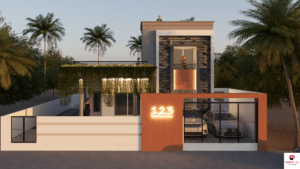
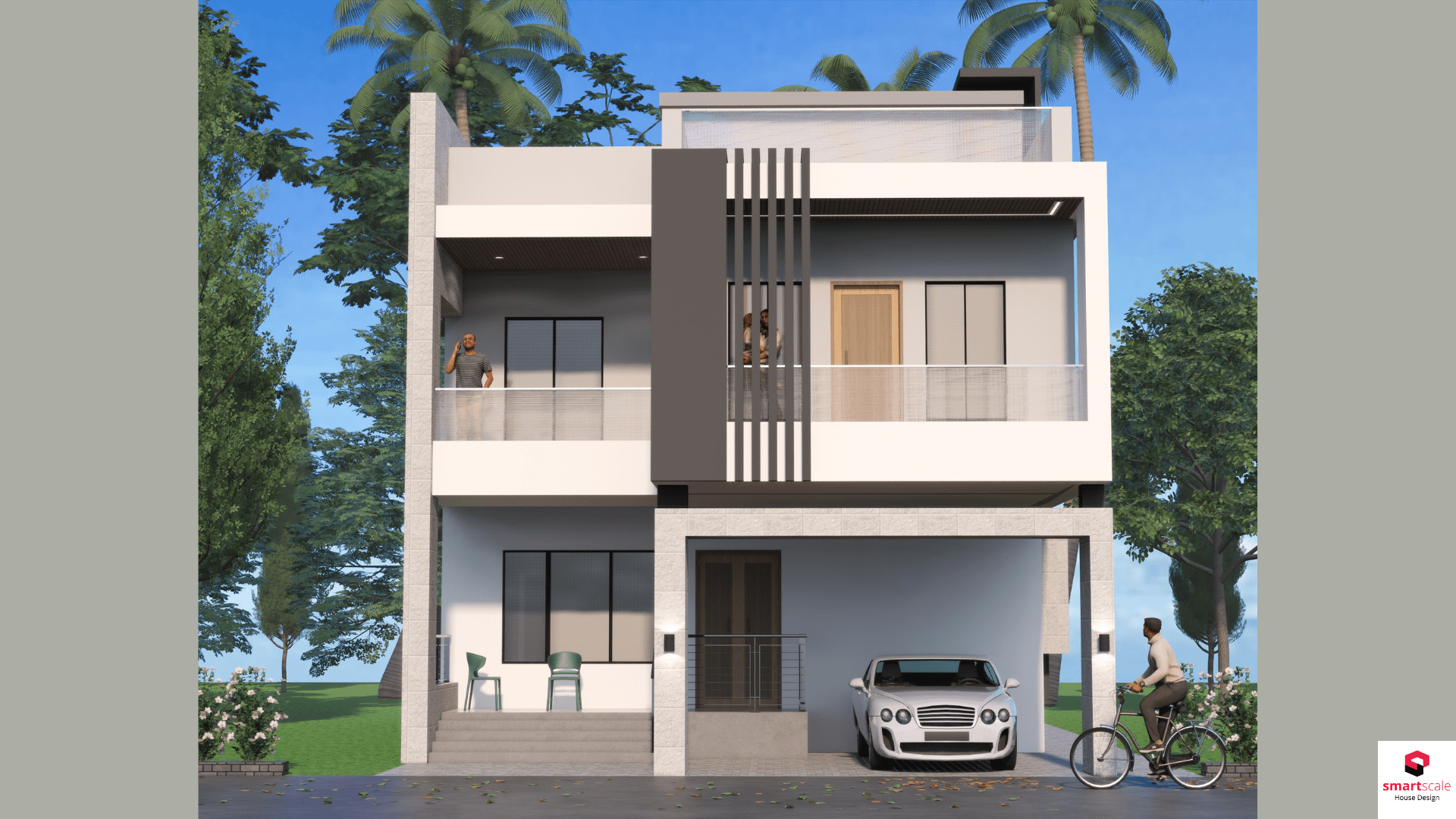
Choosing the right orientation is only one part of designing a comfortable home. The next step is to develop a floor plan that works with your plot dimensions, entrance location, room requirements, budget, and preferred architectural style. SmartScale House Design helps homeowners explore customized house planning, floor plans, and 3D elevation designs. If you follow Vastu, your preferences can be considered during the design process alongside practical requirements such as ventilation, natural light, circulation, and structural planning. Before starting, prepare your plot measurements, road direction, required number of bedrooms, parking needs, number of floors, and approximate construction budget. These details help an architect understand your requirements and develop a more suitable layout. Planning a north-east-facing house? Contact SmartScale House Design to learn about house planning and design services. Discuss your plot dimensions and design preferences before finalizing the floor plan or 3D elevation.Conclusion
A north-east-facing house is considered auspicious in many Vastu traditions because of the significance associated with the Ishanya direction. Karka, Meen, and Vrishchika are sometimes mentioned as suitable Rashis, but these associations vary and should not be treated as definitive rules. If you are planning to build a home, focus on a well-designed floor plan, appropriate entrance placement, room functionality, ventilation, structural safety, and compliance with local building regulations. Your preferred Vastu principles can be considered as part of this process. The best house plan is one that suits your plot, budget, family requirements, and long-term living needs.FAQs
North-east-facing house is good for which Rashi?
Karka (Cancer), Meen (Pisces), and Vrishchika (Scorpio) are mentioned as suitable Rashis in some contemporary Vastu guides. However, recommendations differ between sources, and there is no universally accepted rule that these signs are exclusively suited to north-east-facing homes. Consider the complete property and your preferred Vastu tradition rather than relying on Rashi alone.
Is a north-east-facing house good for all Rashis?
Yes, people of all Rashis can live in a north-east-facing house. Some Vastu and astrology practitioners may offer individualized recommendations, but there is no scientifically established evidence that a home's orientation determines compatibility with a zodiac sign. Practical factors such as layout, ventilation, safety, and location should also guide the decision.
Is a north-east-facing house auspicious as per Vastu?
Many Vastu traditions consider the north-east direction, or Ishanya, auspicious and associate it with spirituality and positive influences. However, the direction alone does not determine whether a complete house plan follows Vastu recommendations. Entrance placement, room arrangement, site conditions, and the specific tradition being followed may also be considered.
Is a north-east-facing house good for Meen Rashi?
Some contemporary Vastu guides include Meen (Pisces) among the Rashis considered suitable for a north-east-facing house. This association is not a universally accepted rule. If you follow astrology, you may seek advice based on your preferred tradition, while evaluating the property's layout, construction quality, and suitability for your family.
Is a north-east-facing house suitable for Karka Rashi?
Karka (Cancer) is included among the suitable Rashis in some modern Vastu guidance. However, not all sources agree on fixed Rashi-to-direction associations. A north-east-facing house should be assessed on its actual design and your requirements, rather than being selected solely because of your zodiac sign.
Is a north-east-facing house suitable for Vrishchika Rashi?
Some contemporary Vastu guides list Vrishchika (Scorpio) as suitable for a north-east-facing house. This is a traditional interpretation rather than a universal rule. If this belief matters to your decision, ask a practitioner to explain their recommendation and assess the actual house plan before making major design changes.
Which direction is best for a house according to Rashi?
There is no single universally accepted direction that is best for every Rashi. Vastu and astrology practitioners may interpret directional suitability differently. When selecting a property, consider the plot's location, access, orientation, budget, ventilation, and layout. You can also seek personalized guidance if you follow a particular Vastu or astrological tradition.
What is the best main door position for a north-east-facing house?
The preferred entrance position depends on the exact plot orientation, layout, and Vastu tradition being followed. Some practitioners recommend particular sections of the north or east sides, but a generic recommendation may not suit every site. Confirm the actual direction and entrance position with a site plan before finalizing the design.
Where should the kitchen be in a north-east-facing house?
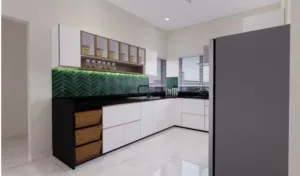
In many Vastu traditions, the south-east is the preferred kitchen zone. However, the final location depends on the plot dimensions, room arrangement, ventilation, plumbing, and structural design. A customized floor plan can account for traditional preferences while ensuring safe cooking clearances and a functional kitchen layout.
Is a north-east-facing house better than a north-facing house?
Neither direction is universally better for every homeowner. Both may be considered favourable in different Vastu traditions, but the suitability of a property depends on the complete layout, site conditions, entrance position, budget, and personal requirements. Compare the actual floor plans and construction conditions rather than choosing solely by direction.