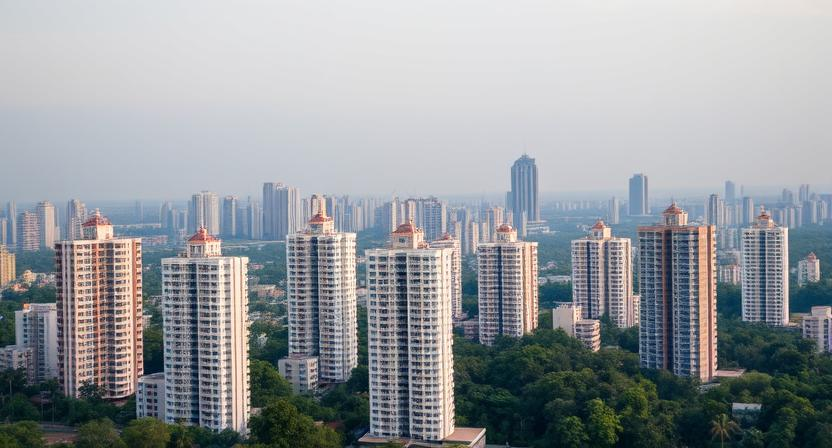
The average home construction cost in Pune ranges from ₹1,800 to ₹3,500+ per sq ft depending on material quality, structural complexity, labor rates, and finish level. A standard 1,500 sq ft house costs anywhere between ₹27 lakh and ₹52 lakh for construction alone, excluding interiors and approvals.
Table of Contents
ToggleWhat Is the Current Construction Cost Per Sq Ft in Pune?
Construction rates in Pune fall into four broad categories based on material and finish quality.
| Construction Type | Cost Per Sq Ft |
|---|---|
| Basic Construction | ₹1,800 – ₹2,100 |
| Standard Construction | ₹2,100 – ₹2,600 |
| Premium Construction | ₹2,600 – ₹3,200 |
| Luxury Construction | ₹3,200 – ₹4,500+ |
Basic construction covers functional builds with standard materials and minimal finishing. Standard construction includes better tile work, branded fittings, and modest elevation design. Premium and luxury tiers involve high-end materials, designer interiors, large glass facades, and custom architectural features.
Location within Pune also affects rates. Areas like Baner, Hinjewadi, and Kharadi tend to attract higher contractor rates due to demand, while peripheral areas like Wagholi and Undri may offer slightly lower labor costs.
Why Are Home Construction Costs Rising in Pune?
Three main factors are pushing construction costs higher across Pune.
Material price increases are the biggest driver. Cement, steel, sand, AAC blocks, electrical materials, and plumbing fixtures have all seen consistent price hikes over the past two years. Steel in particular is volatile and can shift your structural budget significantly.
Labor shortages are creating upward pressure on wages. Mason charges, carpenter rates, electrician fees, and plumbing labor have all increased. Skilled labor is harder to source, and contractors factor in this scarcity when quoting projects.
Premium design expectations have become standard among Pune homeowners. Open floor plans, double-height living rooms, larger windows, false ceilings, designer lighting, and smart home features all add to the per-sq-ft cost. What was considered a luxury five years ago is now a baseline expectation for many homeowners.
How Is the Total Construction Cost Broken Down?
Understanding where your money goes helps you prioritize spending and identify areas where cost control is possible.
Foundation Work
Foundation work typically accounts for 10 to 15 percent of the total construction budget. This includes excavation, PCC work, RCC footings, backfilling, and soil preparation. If your plot has poor soil or rocky terrain, foundation costs can increase substantially. Soil testing before construction starts is strongly recommended and saves money in the long run.
Structural Work
Structural costs cover columns, beams, slabs, steel reinforcement, and all RCC work. This is the most critical phase and usually accounts for 25 to 30 percent of the total budget. Cutting costs here is not advisable. Structural integrity affects the entire life of the building.
Wall Construction
Walls account for roughly 10 to 15 percent of total construction cost. The choice between traditional red bricks and AAC (Autoclaved Aerated Concrete) blocks affects both cost and thermal performance. AAC blocks cost slightly more per unit but reduce dead load on the structure and improve energy efficiency, which can offset long-term costs.
Roofing
RCC slab roofing is standard in Pune. Costs include slab casting, waterproofing, and thermal insulation where needed. Waterproofing is often skipped or under-invested in, which leads to costly repairs within a few years. Budgeting properly here prevents significant future expense.
Flooring
Flooring choices in Pune vary widely and can run from 8 to 15 percent of the total budget. Common options include:
- Vitrified tiles (most common, cost-effective)
- Ceramic tiles (budget option for utility areas)
- Granite (premium, durable)
- Marble (luxury, high maintenance)
- Wooden or engineered wood flooring (premium, suited for bedrooms)
Mixing tile types across zones — vitrified in living areas, ceramic in utility spaces — is a practical way to manage flooring costs.
Electrical Work
Electrical work typically runs between ₹150 and ₹300 per sq ft. This includes wiring, distribution board, switches, light points, fan points, AC points, and earthing. Using a reputable electrical contractor matters here. Shortcuts in wiring create safety hazards and code compliance problems down the line.
Plumbing
Plumbing costs range from ₹120 to ₹250 per sq ft and cover water supply lines, drainage systems, bathroom fittings, and kitchen plumbing. CPVC piping is now standard for supply lines due to durability. Fittings quality varies significantly across price points and is worth investing in.
Doors and Windows
Door and window costs typically land between 8 and 12 percent of total construction cost. Options include:
- UPVC frames (low maintenance, good thermal insulation)
- Aluminum (affordable, lightweight)
- Wood (traditional look, higher maintenance)
- Engineered wood (stable, cost-effective for interior doors)
UPVC has become the dominant choice in Pune’s newer residential builds due to its combination of cost, durability, and weather resistance.
Painting and Finishing
Painting runs between ₹20 and ₹80 per sq ft and includes putty application, primer, interior emulsion, and exterior weather-resistant paint. The quality gap between budget and mid-range paint brands is significant in terms of durability. Exterior painting, in particular, is worth upgrading since Pune’s monsoon season takes a toll on lower-grade exterior finishes.
How Much Does It Cost to Build a House in Pune by Size?
| House Size | Estimated Construction Cost |
|---|---|
| 1,000 sq ft | ₹18 lakh – ₹35 lakh |
| 1,200 sq ft | ₹22 lakh – ₹42 lakh |
| 1,500 sq ft | ₹27 lakh – ₹52 lakh |
| 2,000 sq ft | ₹36 lakh – ₹70 lakh |
| 2,500 sq ft | ₹45 lakh – ₹87 lakh |
These estimates cover construction only. Interior design, furniture, landscaping, and approval charges are separate line items.
What Does a G+1 House Cost to Build in Pune?
A G+1 house (ground floor plus one floor) is the most common residential format in Pune’s mid-range housing market.
| Built-Up Area | Estimated Cost |
|---|---|
| 1,500 sq ft | ₹30 lakh – ₹55 lakh |
| 2,000 sq ft | ₹40 lakh – ₹75 lakh |
| 2,500 sq ft | ₹50 lakh – ₹1 crore |
The staircase, added structural load from the upper floor, and inter-floor waterproofing all add to the per-sq-ft cost of a G+1 build compared to a single-floor structure. Plan for a 5 to 10 percent buffer over single-floor construction rates when estimating a two-story home.
What Government and Approval Charges Apply in Pune?
Approval costs are frequently underestimated or left out of initial budgets entirely. In Pune, homeowners should set aside a separate budget for:
Building plan approval fees charged by the Pune Municipal Corporation (PMC) or relevant authority, depending on plot location.
Structural design certification fees from a licensed structural engineer, mandatory for compliance and loan approvals.
Soil testing charges, which apply before foundation work begins. This is technically optional in some cases but is highly recommended and increasingly required by contractors.
Water and drainage connection charges, applicable when connecting to municipal infrastructure for the first time.
Development charges which vary based on zone classification and plot size.
Approval charges collectively can add ₹1.5 lakh to ₹4 lakh or more depending on the plot size, zone, and project scope. Factor this in before finalizing your total construction budget.
What Hidden Costs Do Most Homeowners Miss?
The construction cost per sq ft covers the structure itself. Several additional expenses routinely catch homeowners off guard.
Compound wall and gate: Perimeter walls with an entrance gate can cost ₹2 lakh to ₹5 lakh depending on height, materials, and length.
Borewell or water connection: If municipal water supply is insufficient or unavailable during construction, a borewell installation adds ₹1 lakh to ₹2.5 lakh.
Septic tank or drainage connection: Required where municipal sewage lines are not yet connected. Costs vary by tank capacity and depth.
Rainwater harvesting system: Mandatory in many Pune development zones. Budget ₹50,000 to ₹1.5 lakh depending on system capacity.
Temporary site electricity: Running construction equipment and lighting during the project requires a temporary electrical connection, which carries both setup and usage charges.
Architect and design fees: Typically charged at 3 to 8 percent of construction cost, depending on scope of services. This is separate from contractor charges.
Interior design costs: Modular kitchens, wardrobes, and interior finishing can easily add ₹5 lakh to ₹20 lakh or more depending on specifications.
Collectively, these hidden costs can add 10 to 20 percent to your total project budget. A realistic construction budget accounts for all of these upfront.
How Does Plot Location Affect Construction Costs in Pune?
Pune’s construction market is not uniform. Costs vary meaningfully across the city.
High-demand corridors like Baner, Wakad, and Hinjewadi attract premium contractor rates and higher material transportation costs. Skilled contractors are also more expensive in these areas due to project competition.
Established residential zones like Hadapsar and Kharadi offer moderate contractor availability at standard rates.
Peripheral areas like Wagholi and Undri may offer slightly lower labor rates but can involve higher material transportation costs due to distance from major supply yards.
Soil conditions vary significantly across Pune. Certain areas near riverbeds or with filled land require deeper foundations and additional RCC reinforcement, which increases the foundation budget by 15 to 25 percent compared to plots with stable, load-bearing soil.
How Does Design Complexity Affect the Budget?
Simpler designs cost less. This is a consistent rule in residential construction.
Features that drive up construction costs include:
- Cantilever balconies (require additional structural steel)
- Double-height living rooms (higher walls, structural complexity)
- Large glass facades (premium glazing plus structural framing)
- Curved walls or irregular floor plans (increase masonry and shuttering costs)
- Premium exterior cladding (stone, ACP panels, textured finishes)
Each of these adds to both material costs and skilled labor time. A straightforward rectangular floor plan with standard ceiling heights will consistently deliver better cost efficiency than a design with multiple architectural features.
That said, investing in design quality upfront through proper architectural drawings and structural planning almost always saves money overall by reducing errors, change orders, and material waste during construction.
What Is a Realistic Cost Estimate for a Standard Pune Home?
Here is a worked example for a 30×40 plot in Pune.
Plot size: 1,200 sq ft Built-up area: 1,800 sq ft (G+1) Construction rate: ₹2,300 per sq ft
Base construction cost: 1,800 x ₹2,300 = ₹41.4 lakh
Additional expenses:
| Item | Estimated Cost |
|---|---|
| Approval and permits | ₹1.5 lakh – ₹2.5 lakh |
| Compound wall and gate | ₹2 lakh – ₹4 lakh |
| Water connection or borewell | ₹1 lakh – ₹2 lakh |
| Interior work (basic) | ₹4 lakh – ₹8 lakh |
| Contingency (10%) | ₹4 lakh – ₹5 lakh |
Total realistic budget: ₹54 lakh – ₹62 lakh
This is why the per-sq-ft rate alone is not a reliable figure for planning purposes. A complete budget must include all supporting costs.
How Can You Reduce Construction Costs Without Cutting Corners?
Cost control in construction is about smart planning, not cheap materials.
Simplify the floor plan. Compact, rectangular layouts reduce shuttering costs, minimize material wastage, and speed up construction timelines. Every irregular corner and projection adds cost.
Use AAC blocks over red bricks where feasible. AAC blocks are lighter, more thermally efficient, and reduce the structural dead load. This can lower the required steel quantity in beams and columns.
Buy materials in bulk at the right time. Coordinating with your contractor on procurement timing for cement, steel, and tiles can reduce costs. Steel prices in particular fluctuate, and buying during a dip saves meaningfully.
Freeze the design before breaking ground. Change orders during construction are one of the most expensive things that can happen to a project. A layout change after columns are cast costs multiple times what it would have cost at the drawing stage.
Get complete construction drawings before starting. Detailed architectural drawings, structural drawings, and MEP (mechanical, electrical, plumbing) layouts prevent site-level decisions that almost always cost more than planned solutions.
Choose mid-range materials for high-wear areas. Premium materials in utility areas, storerooms, and servant quarters offer diminishing returns. Reserve the material upgrade budget for living spaces and bathrooms.
What Factors Should You Evaluate Before Finalizing a Contractor?
Selecting the right contractor has as much impact on final cost as any other single decision.
Key factors to evaluate:
- Past project portfolio and site visits to completed work
- Clarity and detail of the written contract and scope of work
- Payment schedule structure (avoid large upfront payments)
- Inclusion of warranty terms for structural and waterproofing work
- Experience with the specific construction type you need (single floor vs. G+1 vs. G+2)
- References from previous clients in the same locality
A contractor who provides a detailed bill of quantities (BOQ) before starting is significantly more likely to deliver within budget than one who provides only a lump-sum rate.
Does Construction Cost Include Interior Work?
No. Interior work is almost always quoted separately from construction cost.
Standard construction cost covers:
- Structure (foundation, columns, beams, slabs)
- Walls and plastering
- Flooring (basic tiles)
- Electrical rough-in and basic fixtures
- Plumbing rough-in and basic fittings
- Painting (basic interior and exterior)
- Doors and windows (standard options)
Interior work that is typically separate includes:
- Modular kitchen
- Custom wardrobes and cabinetry
- False ceilings
- Designer lighting
- Wallpaper or textured paint
- Premium bathroom fixtures
- Home automation or AV systems
Interior work for a standard home in Pune can range from ₹5 lakh on the lower end to ₹25 lakh and above for a mid-to-premium specification.
Plan Your Pune Home Construction With Accurate Drawings
Most construction budget overruns in Pune trace back to one root cause: starting construction without complete, detailed architectural and structural drawings.
Without accurate plans, site decisions get made on the fly. Those decisions cost more, take longer, and frequently need to be undone and redone. The savings from proper planning typically exceed the cost of the drawings by a significant margin on any project above ₹30 lakh.
SmartScale House Design works with homeowners across Pune to produce construction-ready floor plans, structural layouts, 3D elevations, and complete drawing sets before the first shovel hits the ground. Whether the project is a compact single-floor home on a 20×40 plot or a full G+2 bungalow on a larger site, having the right drawings in place is the most cost-effective investment a Pune homeowner can make before construction begins.